

Recruitment agencies today face high expectations. Success requires more than matching resumes to job descriptions; it demands building systems where employer brand, visibility, and structured outreach influence outcomes.
Simple job posts and cold calls no longer deliver results. Clients evaluate recruiters online, assess credibility, and expect informed guidance. Candidates seek prompt, personalized experiences through clear, professional communication channels.
Marketing for recruitment agencies must achieve two objectives: attract qualified leads and establish the agency as a credible expert in its niche.
This article presents 12 actionable strategies that combine inbound marketing, automation, and reputation-building techniques, drawn from methods INSIDEA uses to help agencies grow efficiently.
Audit and Strengthen Your Marketing Before Growth
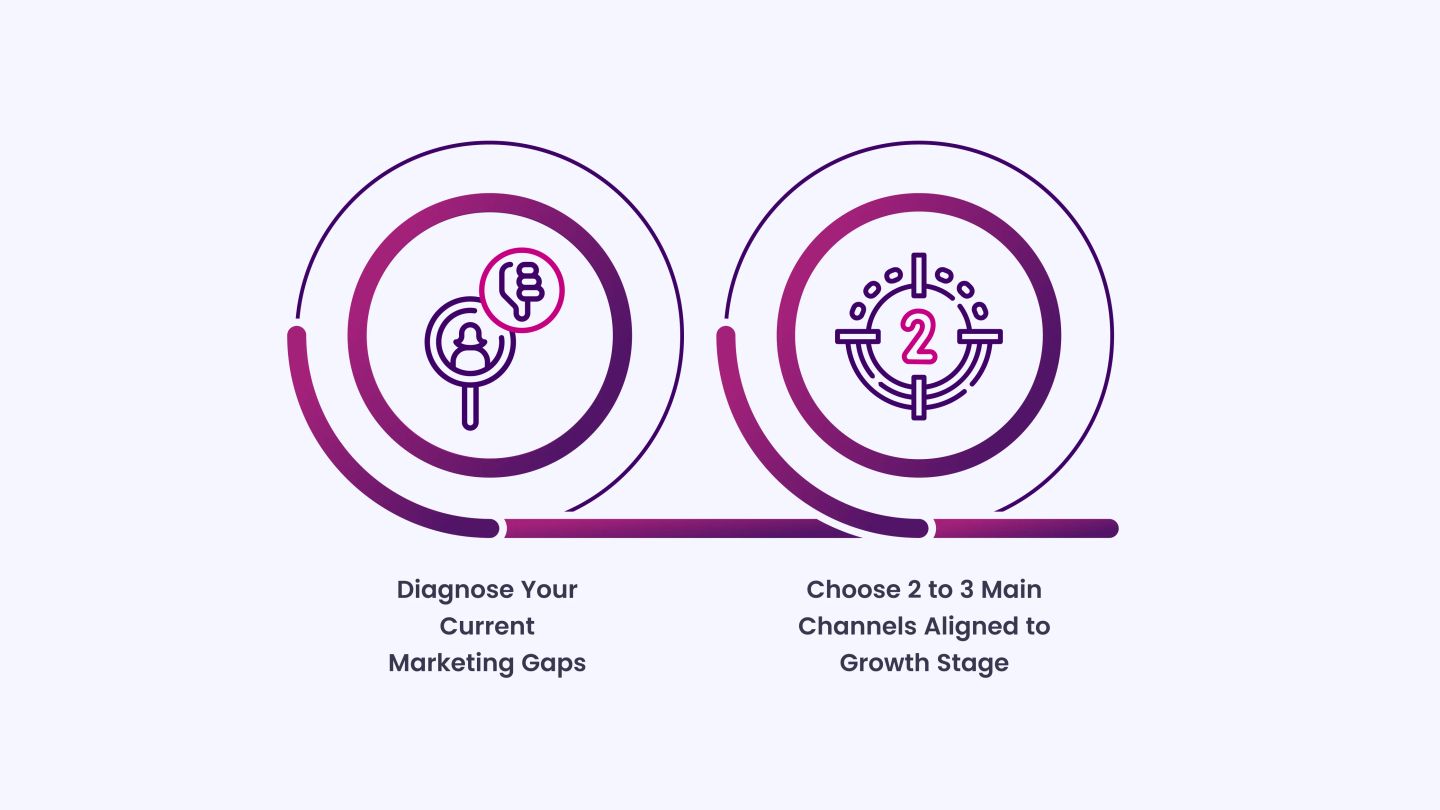
Before getting into tactics, you need structure. Every successful recruitment marketing program starts with an audit: how well do your branding, messaging, and channels capture attention and convert?
Too often, agencies try a bit of everything, LinkedIn posts, SEO, paid ads, without any cohesive system tying it together.
Diagnose Your Current Marketing Gaps
Begin by identifying where leads drop off. Do visitors leave your site before booking a call? Do candidates disengage after the first email? Create a funnel map that breaks down the touchpoints for awareness, engagement, and conversion. Use tools like Google Analytics, CRM data, and simple surveys to understand where momentum fades.
Once the leaks are visible, prioritize fixes around the biggest conversion barriers. For example, if 70% of traffic bounces from career pages, that’s a design and messaging problem, not a volume issue.
Choose 2 to 3 Main Channels Aligned to Growth Stage
Early-stage agencies should double down on local SEO and on building LinkedIn authority. Mature agencies can add PPC and automation layers to scale. The point is not to chase every idea; it’s to focus your effort where your audience is most active and where ROI can be tracked.
At INSIDEA, we use an iterative “Plan → Execute → Measure” feedback loop for recruitment clients. The goal is clarity before scale.
1. Dominate Local Search and Niche Visibility
Local SEO is often the difference between being “discovered” and being forgotten. When someone Googles “executive search firm in Austin,” you need to appear on the first results page, and ideally on Google Maps.
Step-by-Step Local SEO Framework for Recruitment Firms
Start by claiming your Google Business Profile and ensuring accuracy in every field: address, phone number, business category, and services. Add real office photos, recruiter headshots, and regularly updated posts. Then, include service-specific keywords naturally within descriptions: e.g., “engineering staffing in Toronto.”
Build city- or niche-landing pages for each operational region. Rather than copying content, address specific hiring challenges within that geography or industry. Pair these pages with authentic testimonials and localized case results.
Tools and Metrics to Track Local Performance
Platforms like BrightLocal help track keyword movement, manage citations, and monitor reviews. The metric is “local pack visibility, how often you appear in Google’s top 3 map listings. When optimized properly, recruiters often see a 3-5x increase in high-intent inbound inquiries within three months. This is foundational lead generation that compounds organically over time.
2. Turn Salary Data Into a Demand-Generation Asset
Your placement data holds one of the most marketable forms of insight: salary intelligence. Companies crave benchmarks, and candidates appreciate transparency.
Building a Monthly Salary Insights Report
Transform internal salary trends into digestible reports that demonstrate expertise. For instance, if you specialize in healthcare placement, create a “Monthly Medical Staffing Pay Guide.” Use anonymized data to summarize median pay by title, region, or experience level. Supplement this with sources like Glassdoor and Payscale for richer context.
Design the report using Canva or Google Data Studio for simple visual storytelling. Keep it under 5 pages; quick, credible reads perform best for B2B audiences.
How to Promote Reports for Lead Capture
Gate each report behind a short form on your site. Visitors exchange their email to access it, building your warm lead list. Promote the report through LinkedIn posts and targeted email snippets highlighting 2-3 surprising facts from the data.
The payoff: consistent monthly report publishing positions your agency as the authority on compensation intel, turning data into trust and trust into leads.
3. Prove Credibility Through Social Proof and Case Studies
Client trust isn’t built with slogans; it’s earned through proof. Potential partners want evidence that you deliver.
What Kind of Proof Converts B2B Clients
Go further than the static testimonials. Showcase measurable outcomes: “Placed 15 DevOps engineers for fintech firms in 45 days.” Create micro-case studies highlighting the client’s challenge, your strategy, and the result. Each case should be concise and visual.
Infuse these proof points into every sales asset, landing pages, LinkedIn posts, and ad creatives. Transparency builds authority.
Reinforce this section with lessons from 7 Qualities of Good Customer Service; the same principles of empathy, reliability, and consistency apply to recruitment service credibility.
Formats: Carousels, Short Videos, and Conversion Pages
Convert static success stories into interactive media. A 60-second recruiter narration about a placement challenge humanizes your brand far more effectively than a text block. LinkedIn carousel posts are ideal for storytelling: show problem → process → result.
Over time, these assets create a track record that prospective clients can’t overlook.
4. Build Industry-Specific Landing Pages That Convert
Generalist messaging doesn’t resonate anymore. Tailor your positioning to each vertical you serve, whether logistics, tech, or healthcare.
Messaging Framework for Each Vertical
Each page should speak the industry’s language, address its pain points, use its vocabulary, and reflect its culture. For a manufacturing staffing page, highlight turnaround time, familiarity with compliance, and skill-matching precision. For software firms, emphasize insights into the candidate pipeline and fast time-to-hire.
Include industry data visuals (e.g., average placement timelines, candidate retention rates) to convey competence. When visitors feel understood, conversion rates soar.
How to Repurpose Data and Testimonials
Use existing content from proposals or success stories to populate these pages. Add relevant testimonials and salary data where possible.
For inspiration on visual branding differentiation, explore 30+ Dental Clinic Branding, Name & Logo Inspirations, which shows how service businesses can craft distinctive identities even in saturated niches.
At INSIDEA, we consistently see 25-40% higher conversion rates after launching dedicated industry pages with hyper-specific value propositions.
5. Create Thought-Leadership Content That Solves Hiring Problems
LinkedIn remains the nerve center for recruitment marketing. But success here depends on insight, not frequency.
LinkedIn Content Series Blueprint
Start a weekly or biweekly series tackling real hiring pain points: “Why Your Job Descriptions Lose Senior Talent” or “The Hidden Costs of a Bad First Interview.” Create an editorial calendar mixing short posts, visuals, and polls.
Study 15 Best LinkedIn Company Page Examples for layout and engagement inspiration. Your goal isn’t to post; it’s to provoke thought that drives followers to DM you for advice.
Repurposing Posts into Email and Ad Assets
Each top-performing post can be repurposed into short video explainers, client email content, or ad copy snippets. To manage presentation aesthetics across platforms, review Hide Likes on Instagram: Why It Matters and How to Do It Right and 30+ Content Ideas for Fashion Brands on Instagram to expand your multi-channel storytelling approach.
Data-driven insight beats promotional noise every time.
6. Generate B2B Leads Using Paid Ads (Without Wasting Budget)
PPC can be one of the fastest ways for recruiters to land client conversations, but only with precise targeting.
Targeting Decision-Makers on LinkedIn and Google
On LinkedIn, build segments focused on HR leaders or department heads within target industries. Use conversational ad copy: instead of “Hire talent fast,” say “Need to fill sales roles within 30 days? Let’s plan it.”
PPC Optimization Checklist for Staffing Agencies
Track cost-per-lead, conversion rate per ad group, and landing-page session duration. A strong benchmark: under $200 cost per qualified inquiry for B2B-focused campaigns. Continue refining by excluding job-seeker audiences.
Direct ads to landing pages tied to specific sectors, synergizing with your industry-specific content system.
When executed with disciplined analytics, paid campaigns can complement organic content to create a predictable lead pipeline.
7. Humanize Your Brand Through Recruiter Spotlights
In recruitment, relationships are everything. Prospects are likelier to engage when they see real people behind the brand.
Script & Format Ideas for Videos or Posts
Feature short interviews with recruiters discussing what drives their work, a memorable placement story, or quick hiring tips. Keep videos authentic and under 90 seconds.
Incorporate tone and communication practices from The 5 A’s of Quality Customer Service; acknowledgment and assurance go a long way in showcasing empathy.
Distribution Channels and Engagement Tactics
Share these on LinkedIn, Instagram, and in your newsletters. For better visibility, optimize captions; see Mastering Instagram Captions: 100+ Ideas for Every Type of Post to maintain conversational warmth.
These stories humanize your agency far beyond corporate logos, building trust before contact even begins.
8. Automate Candidate Nurture and Reactivation Funnels
Most candidates in your CRM won’t be immediately placeable, but many will be later. Automation keeps you top-of-mind until the timing’s right.
Workflow Example and Email Sequence Timing
Design a 4-5 email sequence that delivers incremental value: post-application acknowledgment, job-search tips, salary updates, and personalized outreach after 2-3 weeks.
Complement your workflow with AI tools that personalize engagement. For example, Top 10 AI Tools for WhatsApp shows how conversational automation can streamline check-ins. Similarly, share resources from Top 10 AI Tools for Career Guidance to add real educational value to candidate communications.
Recommended Tools by Agency Size
Mailchimp and ActiveCampaign work well for mid-sized agencies, while HubSpot or Bullhorn CRM integrate deeper tracking for enterprise-level firms.
Done correctly, automated nurturing can add 15-25% more placements from your existing database.
9. Host Live Events and Webinars to Build Authority
Webinars connect knowledge and lead generation. Your audience, both clients and job seekers, gets value, while you gain qualified interest.
Topics That Attract Both Clients and Candidates
Pick timely subjects such as “How AI Is Reshaping Recruitment” or “Retention Starts at Onboarding.” Include panelists from within your client network to add diversity of voice, and conclude each session with a clear CTA (e.g., book a consultation).
Repurposing Webinars for Multi-Channel Reach
Record and convert snippets into LinkedIn videos, podcast episodes, or short recaps in email newsletters. One hour of live content can fuel four to six weeks of distribution material when decomposed strategically.
Over time, your agency becomes known not just for filling roles but for informing the industry conversation, a deeper layer of brand equity.
10. Create High-Value Lead Magnets for Client Acquisition
Lead magnets are the recruiter’s version of “value-first” marketing. Instead of pitching, you offer tools that address urgent client needs.
Checklist & Template Library Ideas
Build downloadable tools like “Interview Scorecard Templates” or “Hiring Budget Planner 2024.” Focus on relevance over length; one-page formats outperform dense whitepapers.
Gating Strategy and Conversion Optimization
Use light gates and simple two-field forms to trade these resources for emails. Nurture these leads through email drip sequences highlighting case studies or thought-leadership articles.
When distributed through social and ad campaigns, these tools can attract hundreds of warm leads monthly at minimal cost. The beauty of this method: it establishes authority before the first sales call.
11. Optimize Your Website as a Lead-Generation Engine
Your website is not a digital brochure; it should function as your best recruiter.
CRO Quick Wins and Visual Hierarchy Tips
Prioritize clarity and mobile-first design. The homepage must communicate your unique value in one line, like “We help Boston companies hire biotech talent faster.” Display metrics, placements completed, clients served, or time-to-hire averages prominently above the fold.
Draw design inspiration from 35+ Dental Clinic Website Design Inspirations to see how professional service brands balance clarity and aesthetics.
Tracking What Works (Heatmaps, Analytics, Forms)
Install tools like Hotjar or Microsoft Clarity to visualize where visitors engage or drop off. Identify forms with high abandonment rates, and simplify them.
Further refine brand positioning with insights from Brand Name Ideas for an Advertising Agency; a strong name and tone unify every site element.
This combination of conversion copy, visual hierarchy, and analytics transforms your site into a 24/7 inbound generator.
12. Collaborate with Micro-Influencers in the Recruitment Space
Influencer marketing isn’t just for fashion or consumer brands; it works for recruitment when you partner with the right voices.
How to Identify and Vet Partners
Find micro-creators respected in your sector, HR consultants, regional business coaches, or niche LinkedIn educators. Authenticity matters more than follower count. Co-create webinars, blog interviews, or LinkedIn Live sessions with them.
For example, a tech recruiter might collaborate with a game-development thought leader and check the Top 10 AI Tools for Game Development to identify relevant niche voices in your ecosystem.
Case Study Example and Expected ROI
Agencies we’ve supported have doubled engagement rates within 60 days through influencer collaborations, with no ad spend required. The ROI comes from association credibility and audience crossover, not transactions.
Build a Recruitment Marketing System That Delivers Results
Measurement is the foundation of any recruitment marketing strategy. Track core KPIs like inbound lead volume, conversion rates by channel, and cost per qualified inquiry. Pay attention to qualitative indicators as well, such as content shares or referral mentions, to gauge authority growth.
Avoid spreading efforts too thin or losing track of insights. Regular reviews, quarterly or monthly, help leadership and marketing teams stay aligned on what actually drives results. Treat marketing as an iterative system where data informs every next step, creating consistent, reliable growth.
Agencies that succeed focus on a repeatable approach: local SEO, salary insights, client case studies, and automated nurturing that collectively generate qualified leads over time.
INSIDEA works with recruitment firms to build these systems, attract the right prospects, convert efficiently, and maintain long-term brand credibility.
INSIDEA
Ready to put this into practice?
INSIDEA is an Elite HubSpot Partner rated 4.99 across 450+ verified reviews. Let's map it to your goals.

 How INSIDEA works







