The Ultimate Lead Generation Guide for Moving Companies

The Ultimate Lead Generation Guide for Moving Companies

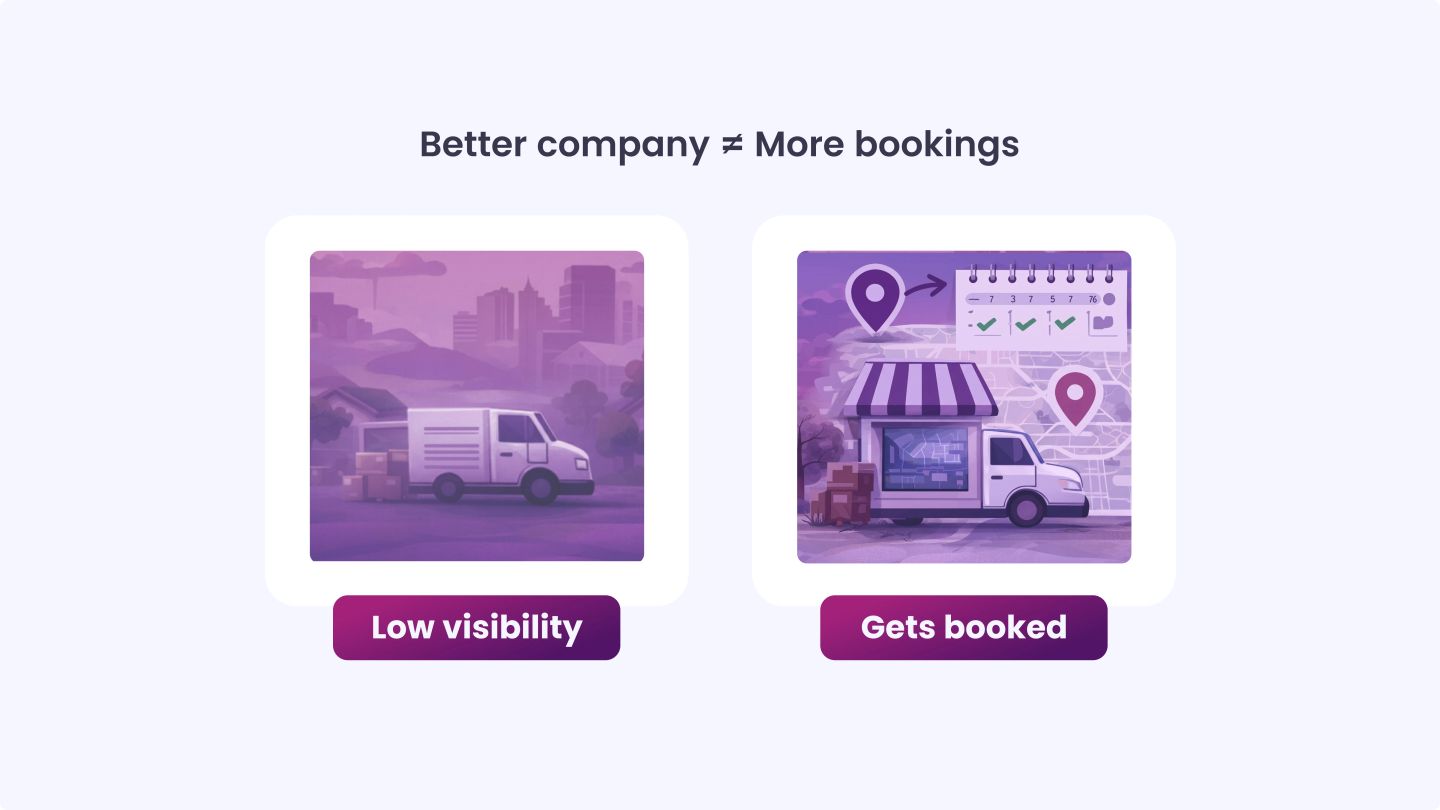
If your moving company isn’t consistently generating leads, growth becomes uncertain and unpredictable. 

The industry has evolved. Customers are no longer relying on referrals or flipping through the Yellow Pages. 

They’re searching online, comparing movers side by side, reading reviews, and making decisions within hours. In this environment, visibility, speed, and trust matter more than ever.

With rising competition and increasing digital ad costs, it’s no longer enough just to show up. Your business needs a structured system to attract the right leads, convert them efficiently, and retain them through clear, value-driven communication.

If your business isn’t showing up at the right time, in the right way, you’re often losing out to competitors with stronger digital strategies.

This blog gives you a clear, actionable system to attract, convert, and retain moving leads using proven digital marketing techniques.


Understanding the Moving Customer Journey

Generating leads effectively starts with understanding how potential customers make decisions. Whether they’re homeowners or businesses, the journey they follow typically includes three stages: awareness, consideration, and decision. Along this path, they face both emotional stress and logistical hurdles that influence their decision about which moving company to choose.

1. Key Decision-Making Stages

Awareness

This is when a person or business realizes they need to move. It could be due to a job change, family situation, office downsizing, or lease expiration. At this stage, they may begin asking for recommendations or searching online for information like:

  • “Best movers near me”
  • “Cost to move across the state”
  • “How to move a business office”

Consideration

Here, the customer actively researches options. They compare different moving companies, read online reviews, check pricing, and assess what services are included (e.g., packing, insurance, storage). They might:

  • Request quotes from multiple providers
  • Look at company websites.
  • Evaluate testimonials or social proof.

Decision

Now they’re ready to choose. At this point, they are influenced by factors like:

  • Quick response times to inquiries
  • Transparent pricing
  • Professionalism during conversations or site visits
  • Trust signals (licenses, insurance, reviews)

A smooth, responsive process during this stage can make or break a deal.


2. Emotional and Logistical Pain Points

Emotional stressors

Emotional stressors often play a significant role in the decision-making process. Many customers fear their belongings might get damaged or lost during the move. Others worry about hidden fees or dealing with movers who aren’t reliable. For families with children or elderly members, the move itself can feel overwhelming and emotionally draining.

Logistical challenges

Logistical challenges add another layer of pressure. Customers struggle with packing everything on time, aligning move-out and move-in dates, and understanding insurance coverage or liability policies. For businesses, minimizing downtime and avoiding disruptions is a top priority.

Addressing both emotional and logistical concerns in your marketing and communication builds trust and helps convert leads into customers.


3. B2C vs. B2B Moving Leads

Understanding the difference between residential (B2C) and commercial (B2B) moving leads is critical.

Category B2C – Residential Moves B2B – Office/Commercial Moves
Decision Makers Individuals, couples, families Office managers, procurement teams, and business owners
Priorities Cost, ease, and safety of belongings Minimal downtime, secure handling of equipment
Lead Time Often short notice (1-4 weeks) Usually planned (1-3 months)
Key Questions “Will my things arrive safely and on time?” “How quickly can you get us operational again?”
Touchpoints Google searches, local ads, referrals LinkedIn outreach, business directories, and networking

Your lead generation approach should reflect these differences. For example, B2C strategies may focus more on Google Ads and local SEO, while B2B might involve outbound email campaigns and partnership building.


Foundations of a Successful Lead Generation Strategy

Foundations of a Successful Lead Generation Strategy

Before running ads or collecting email addresses, it’s essential to build a solid foundation for your lead generation efforts. That means knowing what you offer, who you’re offering it to, and why they should choose you. Let’s break it down.

Clear Service Positioning

Start by clearly defining the types of moving services your company provides. Customers look for specific solutions, not vague promises. 

Are you focused on local moves within a city or town? Do you offer long-distance relocation, either interstate or across the country? Do you specialize in commercial moves, like relocating offices, warehouses, or retail stores? Or do you provide specialty services such as moving antiques, pianos, or sensitive equipment?

Listing these services clearly on your website and marketing materials helps customers instantly know if you’re the right fit. It also improves your visibility in search engines when people search for those specific services.


Target Audience Definition

Every service appeals to a different group of people, so defining your ideal customers is essential. For residential services, your target audience could include homeowners, renters, or college students. 

For office or commercial moves, your target audience may include property managers, HR departments, or small business owners. Focus on real estate agents or property developers who can refer clients to you regularly.

Knowing your audience enables you to tailor your message, select the most effective advertising platforms, and craft offers that address their specific needs. For example, a renter looking for a quick, affordable move will respond to different messaging than a corporate client who needs a full-service relocation with minimal downtime.


Unique Selling Proposition (USP)

Your USP is what makes your moving company different from others. It’s not enough to say “we’re the best movers”; you need specific reasons why someone should pick you. 

Do you offer guaranteed delivery windows? Do you specialize in last-minute moves? Are your movers background-checked and trained in handling fragile items? You could use eco-friendly packing materials or include furniture reassembly in your base pricing.

Whatever sets you apart, make it clear and repeat it across all your channels—your website, ads, emails, and sales conversations. A strong USP builds trust and helps your business stand out in a crowded market.


Turn Visitors into Customers: Website Strategies That Work for Movers

Turn Visitors into Customers: Website Strategies That Work for Movers

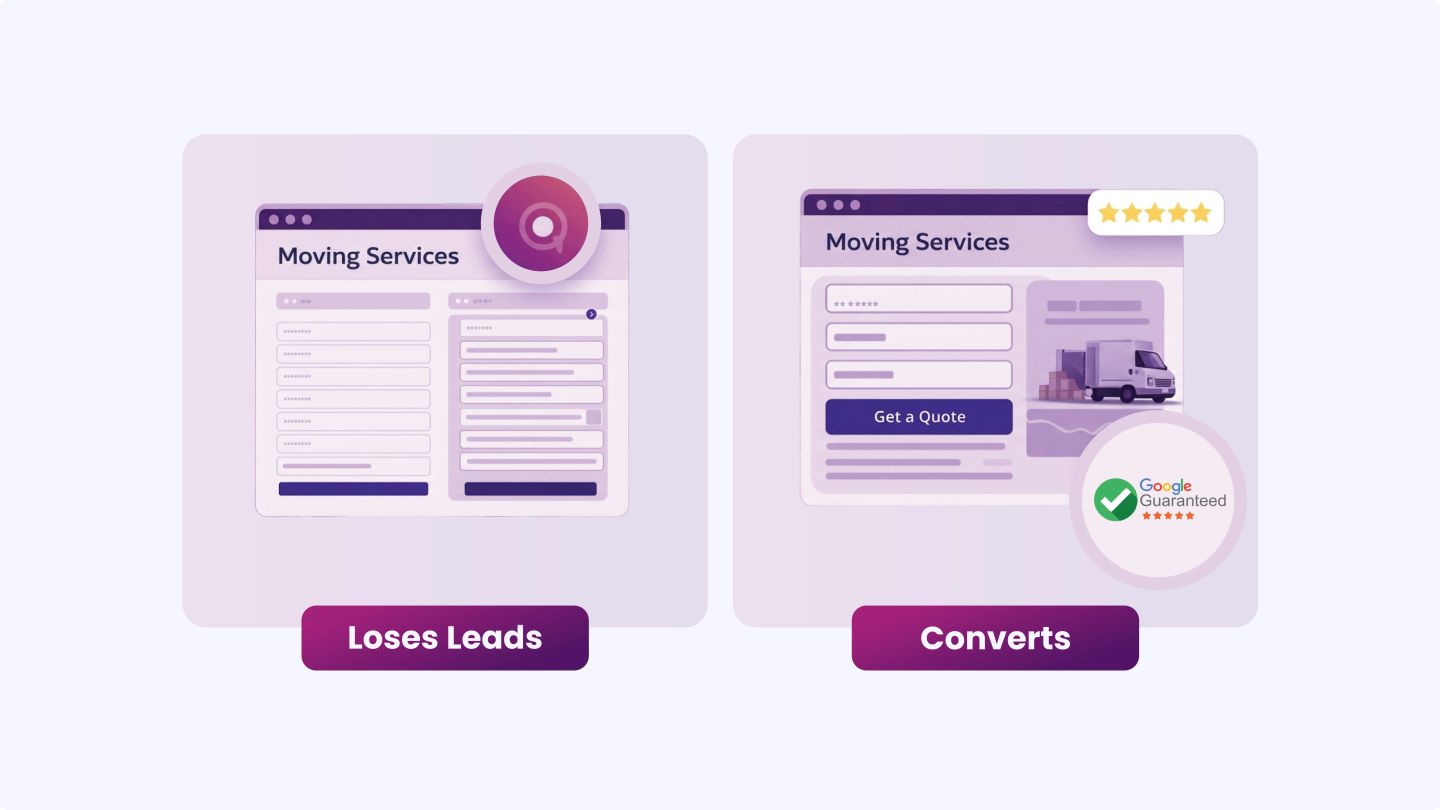
Your website is often the first interaction potential customers have with your moving company. To turn visitors into leads, your site needs to do more than just look good; it should be built to guide users toward taking action. Here’s how to optimize it for lead capture:

Create Focused, Service-Specific Experiences

Your landing pages should be focused and relevant to what the user is looking for. Instead of having one general page for all services, create service-specific pages like:

  • Local Moves
  • Long-Distance or Interstate Moves
  • Office or Commercial Relocation
  • Specialty Moves (e.g., piano, antique, or senior moves)

Each page should clearly explain the service, outline its benefits, and address common questions. This helps improve your search visibility and gives visitors confidence that you specialize in what they need.

In addition, create location-specific pages if you serve multiple areas. For example, “Moving Services in Austin, TX” or “Interstate Movers in New Jersey.” These pages help with local SEO, enabling your business to appear in searches related to the geographic areas you serve.


 Boost Local SEO with Targeted Content

Once a visitor is on your site, it should be easy for them to get in touch. Keep your lead forms short and mobile-friendly. Ask only for what you need to follow up (like name, phone number, move date, and location).

Use clear calls-to-action (CTAs) such as:

  • “Get a Free Quote”
  • “Schedule a Callback”
  • “Request a Moving Estimate”

Integrate an instant quote calculator or simple scheduler. This adds convenience for users and encourages them to submit their details while they’re actively interested.


Engage Leads in Real Time and After Hours

Many people have questions before they commit. Adding live chat or AI-powered chatbots to your site enables visitors to receive quick answers in real-time. They can ask about services, pricing, availability, or next steps, without having to call or wait for an email.

These tools also collect lead information automatically, which you can follow up on later. They work well during off-hours, ensuring you don’t miss leads that come in at night or on weekends.


How to Optimize Your Moving Business for Local Search Visibility?

Local SEO helps your moving company show up when people in your area search for moving services. Most moving customers look for help nearby, so optimizing your local presence is essential.

Google Business Profile Optimization

Start by setting up or claiming your Google Business Profile (GBP). Make sure all information is correct, especially your name, address, and phone Number (NAP)

Add your service areas, business hours, and detailed service descriptions. Upload real photos of your moving crew, trucks, and past jobs to build trust. Encourage happy customers to leave reviews, as these boost your credibility and local rankings.

Citations and Listings

List your business on popular local directories and platforms like Yelp, Angi (formerly Angie’s List), Thumbtack, and moving-specific sites like Moving.com or HireAHelper. Make sure your NAP details are consistent across all listings. Inconsistent info can hurt your local SEO.

Hyperlocal Content

Creating blog posts or service pages that focus on specific neighborhoods, towns, or cities helps you rank for location-based searches. For example: “How to Plan a Move in Brooklyn Heights”, “Best Times to Move in Dallas, TX”

Mention local landmarks, housing types, and seasonal trends in moving. This shows Google that you’re relevant to that location.

Review Generation Strategy

Set up a system to request reviews automatically after each move. Use email or SMS follow-ups with a direct link to your Google profile. Tools like NiceJob, Podium, or even CRM-based automations can help. More recent and positive reviews lead to higher trust and more leads.


Paid Advertising Strategies for Movers: Accelerate Visibility and Lead Generation

Paid ads give your moving company quick visibility, especially when you’re just starting or entering a new area. Below are ad platforms and strategies that work well for movers.

Google Local Services Ads (LSAs)

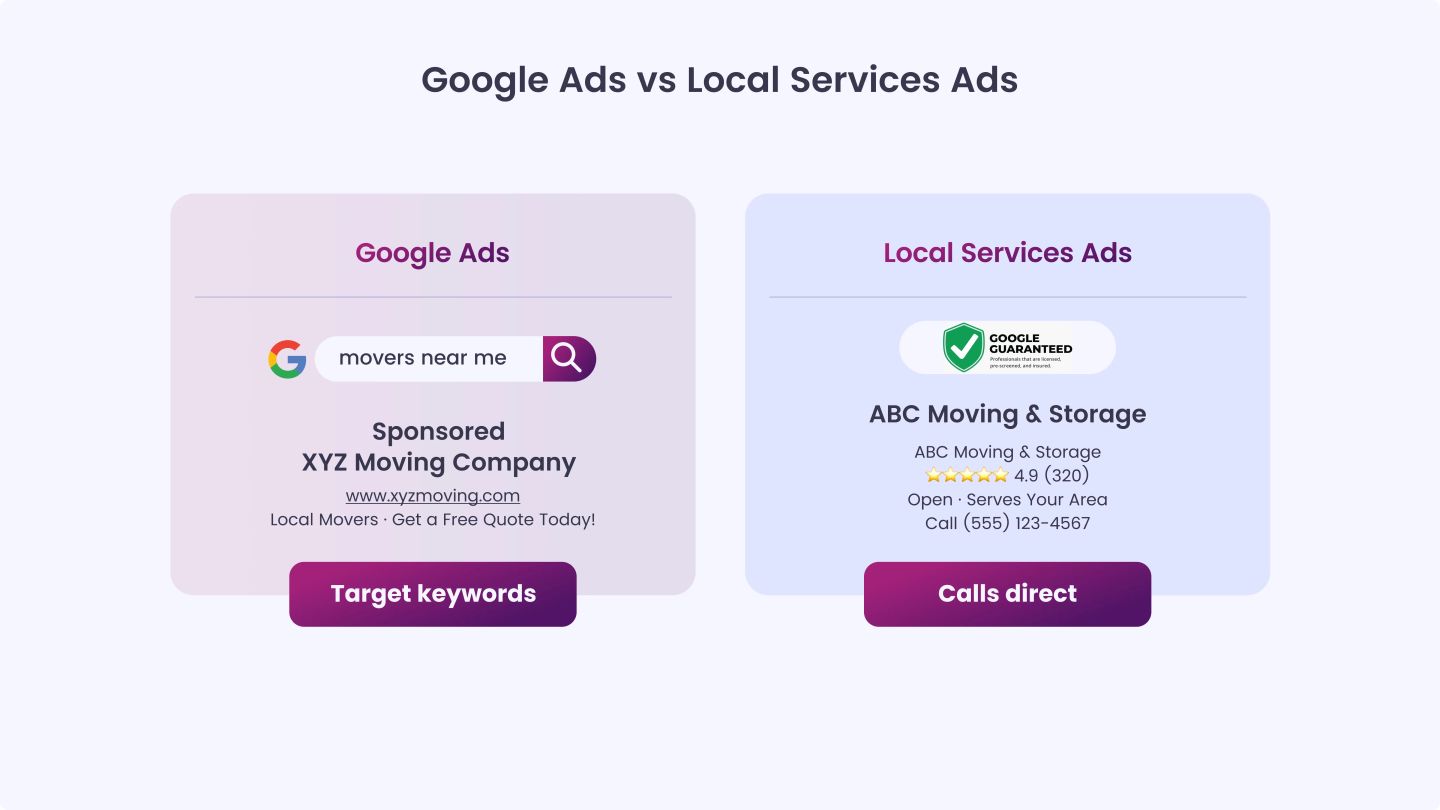
LSAs appear at the very top of Google search results. You only pay per lead, not per click, and customers can call you directly from the ad. These ads also display a “Google Guaranteed” badge, which helps build trust. They’re ideal for getting phone calls from people ready to book now.

Google Search Ads

These are the standard text ads that show up when people search on Google. Use high-intent keywords such as: “moving companies near me”, “affordable movers in Atlanta”, and “office relocation NYC”. 

Write clear ad copy with strong CTAs like “Book Now” or “Free Estimate.” Use ad extensions (like call buttons or sitelinks) to increase clicks and visibility.

Facebook & Instagram Ads

These platforms work well for visual storytelling. Use photos or short videos of your moving crew in action, as well as before-and-after shots or customer testimonials. Run promotions like seasonal discounts or referral bonuses.

You can target specific ZIP codes, interests (such as real estate), or life events (like being newly engaged or having just moved), making these ads effective for brand awareness and engagement.

Retargeting

Most people don’t convert on the first visit. Retargeting ads help bring those visitors back. You can show ads to people who visited your site but didn’t request a quote, and clicked your ad, but didn’t book

Run these ads on Google Display Network, Facebook, or Instagram. They keep your business top of mind and encourage follow-up action.


A Content Plan for Movers: From Blog Topics to Local SEO and Video

Creating valuable content helps attract potential customers through search engines and builds trust before they even contact you. An ongoing content strategy also improves your SEO and positions your company as a helpful expert.

Topic Ideas

Your blog should answer common questions and solve real problems your audience faces. Some strong blog topics include:

  • “How to Prepare for a Cross-Country Move”
    Break down steps such as planning timelines, packing tips, and selecting the right movers for long-distance moves.
  • “Top 10 Mistakes People Make When Hiring a Moving Company”
    Help users avoid bad experiences by identifying red flags and sharing key indicators of a reliable mover.
  • “Checklist: Moving with Pets or Kids”
    Moving can be extra stressful with children or animals. Provide practical tips to make the process smoother for families.

These types of posts attract organic traffic and show that you understand your customers’ needs.


Local Event & Partnership Blogs

Write about events or collaborations happening in your service areas. For example, feature local real estate agents or property managers you work with, promote community events by sponsoring or offering moving help, and share driving tips specific to neighborhoods or complexes you serve. This helps with local SEO while also building referral partnerships.


Video Content

Short videos work well across your blog, social media, and website. Create simple, helpful videos like “Packing Tips, How to Pack Dishes and Fragile Items.” Videos help build trust and keep visitors engaged longer, increasing the chances they’ll convert.


Email Marketing & Lead Nurturing: Keep Leads Engaged from Quote to Move

Email marketing helps you stay in touch with potential customers throughout their decision-making process. It also improves your conversion rate by guiding leads step-by-step from inquiry to booking and beyond.

Welcome Sequence

When someone requests a quote or fills out a form, trigger an automated welcome sequence. This should include:

  • Quote confirmation: Reassure the user that their request was received.
  • Company credentials: Share licensing info, insurance coverage, or years of experience.
  • FAQs: Answer common questions about the moving process, pricing, or what to expect next.

This establishes credibility and sets clear expectations from the outset.

Abandoned Quote Follow-Ups

Not every lead will respond right away. Utilize automated follow-up emails to re-engage those who initially requested a quote but didn’t proceed. Include:

  • A reminder of their quote
  • Benefits of booking early (e.g., limited availability)
  • Links to positive reviews or testimonials

Set up these emails to be sent 24–72 hours after the initial contact.

Educational Drip Campaigns

Some leads require more time to make a decision. Create a series of educational emails that:

  • Explain how to plan for a move
  • Offer packing tips or moving checklists.
  • Remind them of key deadlines (e.g., when to notify utility providers)

This keeps your brand top of mind while providing value.

Post-Move Campaigns

Once the move is completed, continue the conversation. Send follow-up emails to:

  • Request a review on Google or Yelp
  • Offer referral bonuses (e.g., a gift card if someone books through their referral)
  • Upsell services like storage or packing help for future moves

These campaigns encourage repeat business and word-of-mouth marketing.


Best Practices for Using CRM & Automation Tools in Your Moving Business

Best Practices for Using CRM & Automation Tools in Your Moving Business

Effectively managing leads and client interactions is key to maintaining a steady pipeline of business. Implementing the right CRM and automation practices helps reduce manual work, improve follow-up speed, and boost overall conversion rates. 

Below are essential best practices for moving companies looking to streamline operations and grow through more intelligent systems.

1. Choose a CRM That Matches Your Business Needs

Start by selecting a CRM (Customer Relationship Management) tool suited to your company’s size and workflow. Look for platforms that support service-based businesses and offer the necessary features without unnecessary complexity. Some reliable options include:

  • HubSpot – Ideal for automation, reporting, and contact management.
  • Zoho CRM – Cost-effective with customizable automation workflows.
  • Jobber – Designed for field service companies, helpful in quoting and job scheduling.

Select a CRM that scales with your business operations and supports your lead tracking, scheduling, and communication requirements.


2. Implement Lead Source Tracking and Attribution

Knowing where your leads originate is crucial for making informed marketing decisions. Your CRM should help you track the source of each lead (e.g., Google Ads, organic search, referrals), attribute bookings and revenue to specific campaigns or channels. Prioritize leads based on intent or past behavior.

With this visibility, you can invest more in high-performing channels and stop wasting money on those that don’t convert. It also gives your sales team a clearer picture of what messaging or offers work best.


3. Use Automation to Streamline Follow-Ups and Tasks

Automation isn’t just about saving time; it’s about improving consistency and response speed. Set up automated workflows for tasks such as:

  • Quote follow-ups: Trigger personalized emails when a user requests a quote but hasn’t responded to it.
  • Task assignments: Automatically assign tasks to your team when a new lead is entered or a move is confirmed.
  • SMS reminders: Send scheduled text updates for upcoming move dates, confirmations, or prep reminders.

These automations reduce manual workload, ensure no lead is missed, and create a smoother experience for both your team and your customers.


From Metrics to Growth: How to Track and Improve Marketing Performance

To grow your moving business effectively, you need to measure what’s working and adjust based on real data. Tracking key metrics helps improve your marketing ROI and lead generation strategies over time.

Essential Metrics to Monitor

Cost Per Lead (CPL) Total ad spend divided by number of leads. Lower is better.
Quote-to-Booking Ratio How many quotes turn into actual jobs? A strong ratio indicates effective sales follow-up.
Lead Source ROI Return on investment for each lead source (e.g., Google Ads, Facebook, referrals). Focus on high-performing channels.

Tools to Use

To gain a comprehensive understanding of how your marketing efforts are performing, it’s essential to utilize a combination of reliable tracking tools. 

Google Analytics 4 tracks site traffic, user behavior, and conversion paths. CallRail helps identify which calls originated from specific campaigns or landing pages. HubSpot tracks lead activity, email engagement, and conversion metrics. Facebook Pixel measures ad performance, retargeting success, and event tracking. Using these tools together gives a complete view of your lead funnel and performance.


A/B Testing

Testing is crucial for achieving improved results over time. Run A/B tests on:

  • Landing pages: Try different layouts, service descriptions, or testimonials to see which one resonates best with your audience.
  • Calls-to-Action (CTAs): Compare versions like “Get a Free Quote” vs. “Book Now.”
  • Email subject lines: Test open rates and click-throughs with different formats or tones.

Small changes, backed by data, can lead to significant improvements in lead quality and conversion rates.


Common Lead Generation Mistakes Moving Companies Should Avoid

Common Lead Generation Mistakes Moving Companies Should Avoid

Avoiding basic mistakes in your lead generation and customer management process can make a significant difference in how many leads you convert. Below are four common issues that often limit growth for moving companies.

1. Relying Only on Referrals

Referrals are valuable, but they shouldn’t be your only source of leads. Depending solely on word-of-mouth means you have no control over how many leads come in and when. 

If referrals slow down, so does your business. To grow steadily, you need a mix of channels, such as local SEO, paid ads, and email marketing, to keep your pipeline full throughout the year.


2. Not Following Up Quickly

Speed matters. Many potential customers request quotes from multiple movers at once. If you wait too long to respond, they may choose another company that reacted first. 

Use automated emails or CRM tools to send instant confirmations and reminders. Quick follow-up shows professionalism and keeps you top of mind.


3. Ignoring Negative Reviews or Feedback

Negative feedback can harm your reputation if left unaddressed. Don’t ignore bad reviews. Respond politely, offer solutions, and show that you care about customer satisfaction. 

A well-handled complaint can build trust with future customers who see that you take responsibility and fix issues.


4. Skipping Local SEO Basics

Many moving companies miss out on free traffic by not optimizing for local searches. If your Google Business Profile is incomplete or your NAP (Name, Address, Phone) is inconsistent across directories, you may not show up in local results. Local SEO helps people in your area find and trust you. 

Ensure your listings are accurate, continue collecting reviews, and create content that targets your service areas.


Grow Faster and Smarter with INSIDEA’s Digital Marketing Subscription

Grow Faster and Smarter with INSIDEA’s Digital Marketing Subscription

At INSIDEA, we deliver powerful digital marketing strategies that elevate your brand’s presence, attract the right audience, and drive measurable growth. Our expert team is dedicated to creating top-tier marketing solutions to meet your unique business needs. With in-depth industry knowledge, we craft customized strategies that align perfectly with your goals, all within our all-in-one digital marketing subscription.

Our comprehensive subscription includes everything you need to succeed in the digital space. 

We cover all the essentials, from search engine optimization (SEO) to boost your search rankings and drive organic traffic to WordPress Management to ensure your website is visually appealing, highly functional, and optimized for conversions. 

Our content marketing services establish your authority with engaging, insightful content. Social media marketing builds your presence across platforms with interactive and authentic strategies. Our email marketing solutions also connect directly with your audience, driving engagement and conversions.

With INSIDEA’s all-in-one subscription, you can access these services seamlessly, supported by our dedicated digital marketing experts committed to delivering measurable results for your business.

Book a meeting with our experts to explore how we can support your business goals.

Get started now!

INSIDEA empowers businesses globally by providing advanced digital marketing solutions. Specializing in CRM, SEO, content, social media, and performance marketing, we deliver innovative, results-driven strategies that drive growth. Our mission is to help businesses build lasting trust with their audience and achieve sustainable development through a customized digital strategy. With over 100 experts and a client-first approach, we’re committed to transforming your digital journey.

The Award-Winning Team Is Ready.

Are You?

“At INSIDEA, it’s all about putting people first. Our top priority? You. Whether you’re part of our incredible team, a valued customer, or a trusted partner, your satisfaction always comes before anything else. We’re not just focused on meeting expectations; we’re here to exceed them and that’s what we take pride in!”

Pratik Thakker

Founder & CEO

Company-of-the-year

Featured In

Ready to take your marketing to the next level?

Book a demo and discovery call to get a look at:

By clicking next, you agree to receive communications from INSIDEA in accordance with our Privacy Policy.