If your moving company isn’t visible online, business opportunities are being lost.
Even with a trained crew, tidy trucks, and a reliable process, people can’t hire you if they can’t find you online. Research shows 76% of consumers check a company’s online presence before visiting in person. That means most potential customers evaluate you based on your search results, reviews, and website before they pick up the phone.
When people plan a move, they search terms like “Best moving company near me,” “Affordable movers in [city],” or “Top-rated packing and moving services.” Are your search results appearing? Is your social media presence engaging enough to be remembered? Is your website converting visitors into booked jobs?
Marketing for moving companies requires a consistent, targeted approach. Random posts and untargeted ads won’t generate reliable results.
This blog shares over 10 creative marketing ideas specifically for moving companies, focusing on attracting local leads, converting website visitors into paying customers, and building long-term trust with your audience.
10+ Creative Marketing Ideas & Strategy for Moving Companies
Below is a list of over 10 creative marketing ideas and strategies to help companies attract more customers and grow their business effectively.
1. Build a High-Converting Website
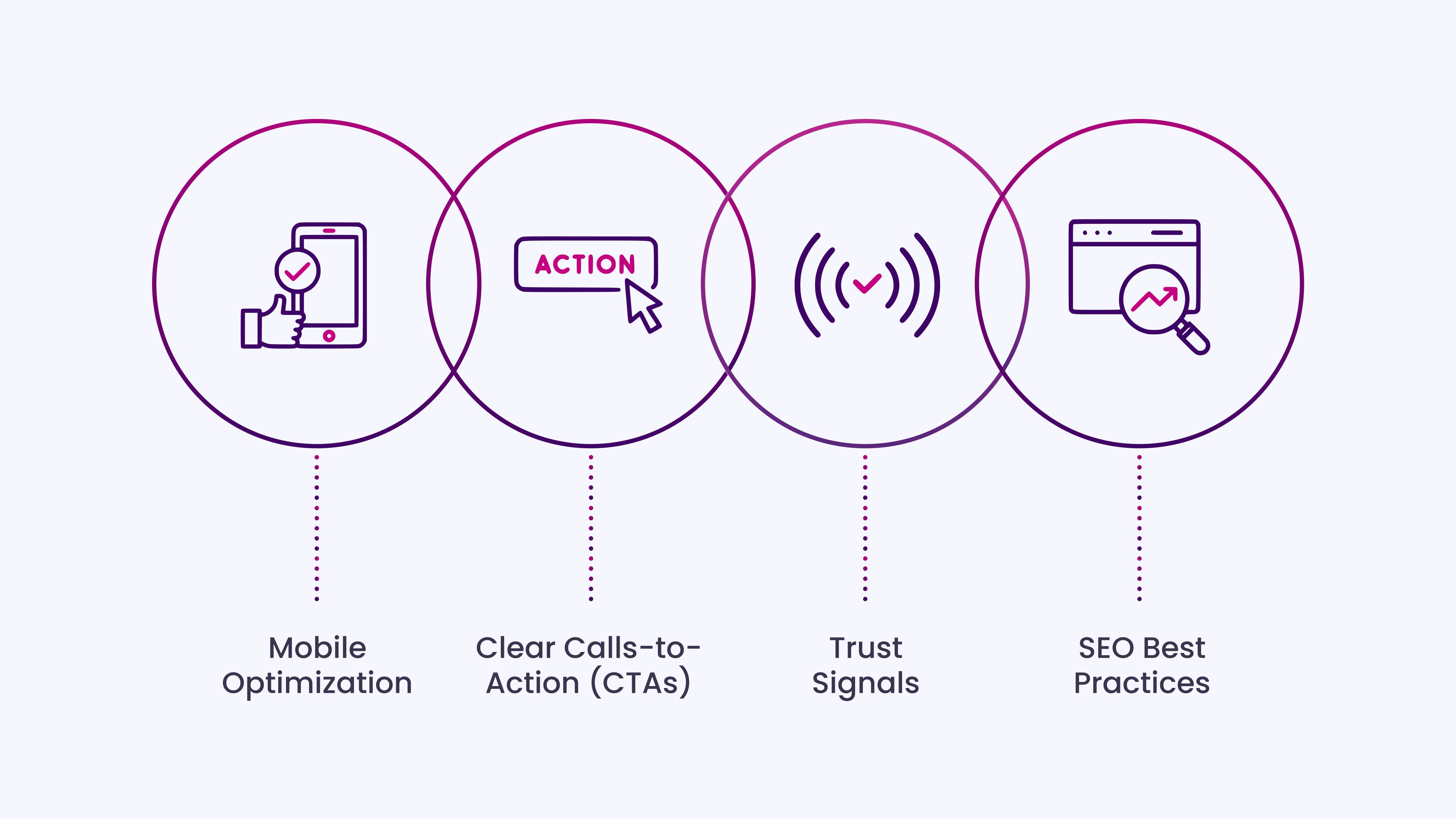
Your website is often the first impression potential customers will have of your moving company. It should be fast, functional, and designed to turn visitors into leads. Here’s how to do that effectively:
Mobile Optimization
More than half of users browse on their phones. If your website doesn’t work well on mobile, you’re likely losing customers.
The layout should automatically adjust to fit different screen sizes. Aim for a load time of under 3 seconds. Use compressed images and avoid heavy plugins. Buttons should be easy to tap, and forms should be simple to fill out without zooming.
For example, a potential customer looking for movers while on a lunch break might visit your site on their phone. If it takes too long to load or they can’t easily fill out the quote form, they’ll leave and check out a competitor.
Clear Calls-to-Action (CTAs)
CTAs guide your visitors to take the next step; don’t make them guess.
Effective CTAs for moving companies:
- “Get a Free Quote”
- “Schedule Your Move”
- “Call Now for a Quick Estimate”
- “Check Availability”
Place CTAs above the fold (visible without scrolling) and repeat them throughout the site.
Use contrasting colors to make them stand out. Keep the wording action-oriented and specific.
Trust Signals
Trust is crucial when someone is about to let strangers move their belongings. Your website should immediately convey that your company is reliable and professional.
Add customer testimonials with names and locations (even better if you include photos or video clips), certifications or memberships, like BBB Accreditation or AMSA (American Moving & Storage Association), “Years in business” or “Number of successful moves completed,” and insurance and license details (very important for compliance and credibility).
SEO Best Practices
Good SEO ensures your site appears when someone searches “moving companies near me” or “local movers in Dallas.”
Use location-based keywords throughout your site (e.g., “residential movers in Fort Worth”).
Write unique meta titles and descriptions for every page. Create service-specific pages, such as “Long-Distance Moving” and “Packing Services,” etc. Start a blog covering useful topics like “How to Pack a Kitchen” or “Moving Checklist for First-Time Renters.”
For example, if someone searches “best moving company in San Antonio,” a well-optimized homepage or blog post could bring them straight to you.
2. Optimize for Local SEO
Local SEO helps your moving company show up when people in your area search for services like “movers near me” or “best moving company in [city].” Here’s how to make sure you’re visible in your target locations:
Google Business Profile (GBP)
Your Google Business Profile (formerly Google My Business) is one of the most powerful tools for local SEO.
Claim your profile at Google Business Profile. Fill out every field: business name, address, service area, phone number, website, and hours. Add high-quality photos of your trucks, team, and jobs in progress. Post regular updates: short announcements, promotions, or tips. Keep everything accurate and consistent.
For instance, if someone searches “movers in Dallas,” a fully optimized profile increases your chances of appearing in the Map Pack, the top 3 local listings on Google Maps.
Citations and Listings
Citations are online mentions of your business name, address, and phone number (NAP) across directories. They help build trust with search engines.
|
If your Google profile lists your number as (123) 456-7890, but Yelp lists 123-456-7891, this inconsistency can negatively impact your local SEO rankings.
3. Utilize Pay-Per-Click (PPC) Advertising
PPC advertising is a fast way to get your business in front of people actively searching for movers. If done right, it delivers instant traffic and leads.
Google Ads for Local Searches
Google Ads enables you to target specific search queries, such as “moving company near me” or “office movers in Austin.”
Use exact-match keywords (e.g., [movers in Dallas]). Set up ad extensions (location, phone number, sitelinks). Run location-based campaigns with city-specific ad groups. Track conversions (form fills, phone calls) using Google Ads and Analytics.
| Example ad copy
|
Facebook Ads with Demographic Targeting
Facebook Ads are effective for brand awareness and lead generation, particularly when targeting homeowners, renters, or real estate-interested individuals.
Use short, engaging video clips showing your team in action.
Target by location (10-25 miles radius), age groups likely to be moving, life events (e.g., recently married, just moved), use lead forms or direct to a landing page with a free quote.
Seasonal Campaigns to Maximize ROI
Most people move during the summer months, on weekends, and at the end of the month; capitalize on that.
Increase ad spend from May to August. Promote limited-time discounts like:
“Book your summer move now and save 10%!” Run countdown-style ads before peak dates.Always track ROI. Utilize call tracking numbers, form submission metrics, and UTM tags to pinpoint which campaigns generate leads and revenue.
4. Implement Content Marketing Strategies
Content marketing enables you to educate your audience, establish trust, and maintain visibility online. For moving companies, this means addressing common questions, resolving real problems, and demonstrating expertise through informative content.
Blog Posts
A blog is a powerful tool for boosting your search visibility and connecting with people actively planning a move.

Write in a clear, straightforward tone, as if you’re talking to a friend. Answer specific problems your customers are searching for on Google. Add city or region names to improve local SEO (e.g., “Moving Tips for Dallas Residents”).
Video Content
Videos are engaging, easy to share, and show your company’s personality and professionalism in action.
Start with a 60-second walkthrough of your packing process, a customer testimonial filmed on-site after a successful move and safety tips when packing and lifting boxes.
Share this content on Facebook and Instagram (Reels work great for short tips), YouTube (for searchable how-to videos), and your website homepage or blog.
Infographics
Infographics are visual guides that simplify complicated or tedious information. They work exceptionally well on Pinterest, blog posts, or as shareable social media content.
Topics that work well as infographics:
- “The Ultimate Moving Day Checklist”
- “What to Pack First vs. Last”
- “How Much Does It Cost to Move Locally?”
- “Moving Timeline: 30 Days to a Smooth Move”
Keep them clean and easy to read. Use your brand colors and logo for consistency. Use tools like Canva or Venngage to create them easily.
5. Utilize Social Media Platforms
Social media isn’t just about likes and shares; it’s a direct channel for connecting with potential customers, showcasing your moving company’s personality, and building trust with your audience. Here’s how to do it strategically:
Platform Selection
Not all platforms serve the same purpose. Pick the ones that make sense based on your audience and content style.
Where to focus:
- Facebook: Best for local visibility, running ads, and community engagement.
- Instagram: Ideal for visual content, such as photos of your trucks, team, or moving-day highlights.
- LinkedIn: Useful for commercial moving leads and networking with real estate agents, brokers, or local businesses.
Engaging Content Ideas
Content should tell your brand’s story and show the human side of your company. Avoid generic stock posts.
Show your crew packing, loading trucks, or preparing supplies. Introduce team members and share a fun fact or insight into why they love working in the moving industry. Feature happy clients, moving day snapshots, or “before and after” shots.
Interactive Campaigns
Encourage two-way engagement to grow your audience and increase brand visibility.
Ideas to try:
- Contests: “Win a free moving kit” or “Share your funniest moving story.”
- Polls & quizzes: “What’s the hardest thing to pack?” or “Are you a last-minute mover?”
- Q&A sessions: Go live or post a question sticker, such as “Ask us anything about moving!”
6. Develop Referral and Loyalty Programs
People trust recommendations from friends, family, and professionals they already work with. Creating a simple referral and loyalty program encourages those word-of-mouth opportunities.
Incentivize Referrals
Encourage your past customers to recommend you by offering a clear and simple reward.
Referral ideas
|
Create a referral form or shareable link. Promote it via email after a job is completed. Track referrals using simple CRM tools or spreadsheets.
For example, “Loved your move with us? Refer a friend and both of you get $25 off your next service!”
Partner with Local Businesses
Working with other service providers helps you reach people right when they’re ready to move.
Potential partners:
- Real estate agents and property managers
- Apartment complexes or HOAs
- Storage unit companies or cleaning services
Offer a referral commission or cross-promotional package. Leave flyers or business cards at their office. Feature each other on social media or blog posts.
For example, partner with a local storage unit: “Customers of [Storage Co.] get 10% off our moving services. Ask at the front desk!”
Offer Loyalty Discounts
Give customers a reason to book with you again, or recommend you to others in their circle.
You can offer discounts for returning customers, loyalty cards (e.g., move 3 times, get one free packing kit), and special seasonal offers for past clients
7. Engage in Community and Guerrilla Marketing
Marketing doesn’t always have to happen online. Getting involved in your local community and utilizing creative offline strategies can significantly enhance your brand visibility, particularly for a local service like moving.
Local Events
Participating in or sponsoring community events helps you connect with potential customers in a natural, friendly setting.
Sponsor local school events, sports teams, or town festivals. Set up a branded booth at farmers’ markets, fairs, or city expos. Offer giveaways like branded tape, moving checklists, or water bottles.
Guerrilla Marketing Tactics
Guerrilla marketing refers to the use of unconventional, low-cost strategies to draw attention to your brand.
Wrap your moving trucks with bold graphics and your phone number. These act as mobile billboards. Park branded trucks at busy intersections or near large apartment complexes during peak hours. Use sidewalk chalk or temporary signs with slogans like “Moving Soon? Call Us First.”
For example, if you’re helping someone move into a downtown apartment, park your truck so it’s visible from a main road. You may catch the attention of dozens of passersby without spending extra on advertising.
Charitable Involvement
People prefer to do business with companies that give back to the community. Helping local charities not only builds goodwill but also strengthens your reputation.
Offer free or discounted moving services to nonprofit organizations or shelters. Help families affected by natural disasters or emergencies. Partner with charities for donation pick-ups (e.g., old furniture to donation centers).
8. Offer Virtual Estimates and Online Booking
Today’s customers expect convenience. Making it easy to get a quote, schedule a move, and receive updates, all online, can set your moving company apart.
Virtual Consultations
Virtual estimates allow you to evaluate a customer’s moving needs without a site visit, saving time for both parties.
Use Zoom, Google Meet, or WhatsApp video calls for seamless communication. Let the customer walk through their home with their phone camera. Record or take notes on item volume, stairs, parking access, and other relevant details.
Online Scheduling Tools
Don’t make customers call or email just to book a move. An online booking system makes the process fast, easy, and available 24/7.
Essential features to include are date and time slot selection, service type selection (local, long-distance, packing, etc.), and automated confirmation messages.
Examples of tools that can be used include Calendly, Acuity Scheduling, and custom booking plugins for WordPress or Squarespace. Show availability by zip code or service area to avoid double bookings.
Automated Follow-Ups
Automation helps reduce no-shows and confusion, keeping your brand top of mind during the planning process.
You can automate booking confirmations via email or SMS, reminders 24 hours before the move, “What to expect” emails with packing tips or checklists, and post-move follow-up asking for reviews
For example, send an email two days before the move:
“Hi Allen, we’re looking forward to helping you move on Thursday at 9 AM. Here’s what you can expect and how to prepare for a smooth day.”
This small step shows professionalism and increases customer satisfaction.
9. Implement Email Marketing Campaigns
Email marketing is a powerful and cost-effective way to stay in touch with leads and customers. Whether you’re sending newsletters or automated drip campaigns, the goal is to keep your moving company top of mind when someone is ready to book.
Newsletter Sign-Up
Growing your email list starts with a straightforward element: a visible, easy-to-use sign-up form on your website. To capture attention, place the form where it’s most likely to be seen, such as on your homepage (preferably above the fold), at the end of each blog post, or embedded within your quote request and booking forms.
To encourage sign-ups, offer something of value in return. This could be a downloadable moving checklist PDF, a discount like “Get 10% off your first move,” or a monthly newsletter filled with moving tips and hacks. People are far more likely to give you their email if there’s a clear benefit.
Use a clear and compelling call-to-action to make the offer stand out. For example:
“ Moving soon? Sign up and get a free 7-Day Packing Checklist in your inbox!”
This tells visitors exactly what they’ll receive and how it will help them, making it much more likely they’ll subscribe.
Drip Campaigns
Drip campaigns are an automated series of emails sent over time to educate and convert leads.
Typical sequence for a moving company
|
|
|
|
|
Keep each email concise, visually appealing, and focused on a single key message.
Personalized Content
Generic emails get ignored. Tailor your content based on the lead’s behavior or service interest.
Use their first name in the subject line and greeting. Send service-specific follow-ups (e.g., commercial vs. residential) to ensure timely and accurate service delivery. Segment by location or timeline (e.g., “Booked for next week” vs. “Still browsing”).
For example, if a lead filled out a quote form but didn’t book, send a reminder:
“Hi Samrath, still thinking about your upcoming move? We’ve held your quote for 7 days. Book now and get 10% off.”
10. Monitor and Analyze Performance Metrics
Marketing without measurement is like moving without a map. Tracking key metrics helps you understand what’s working, where to improve, and how to spend your budget smartly.
Key Performance Indicators (KPIs)
Focus on the metrics that demonstrate how your marketing efforts contribute to business growth.
Essential KPIs for moving companies:
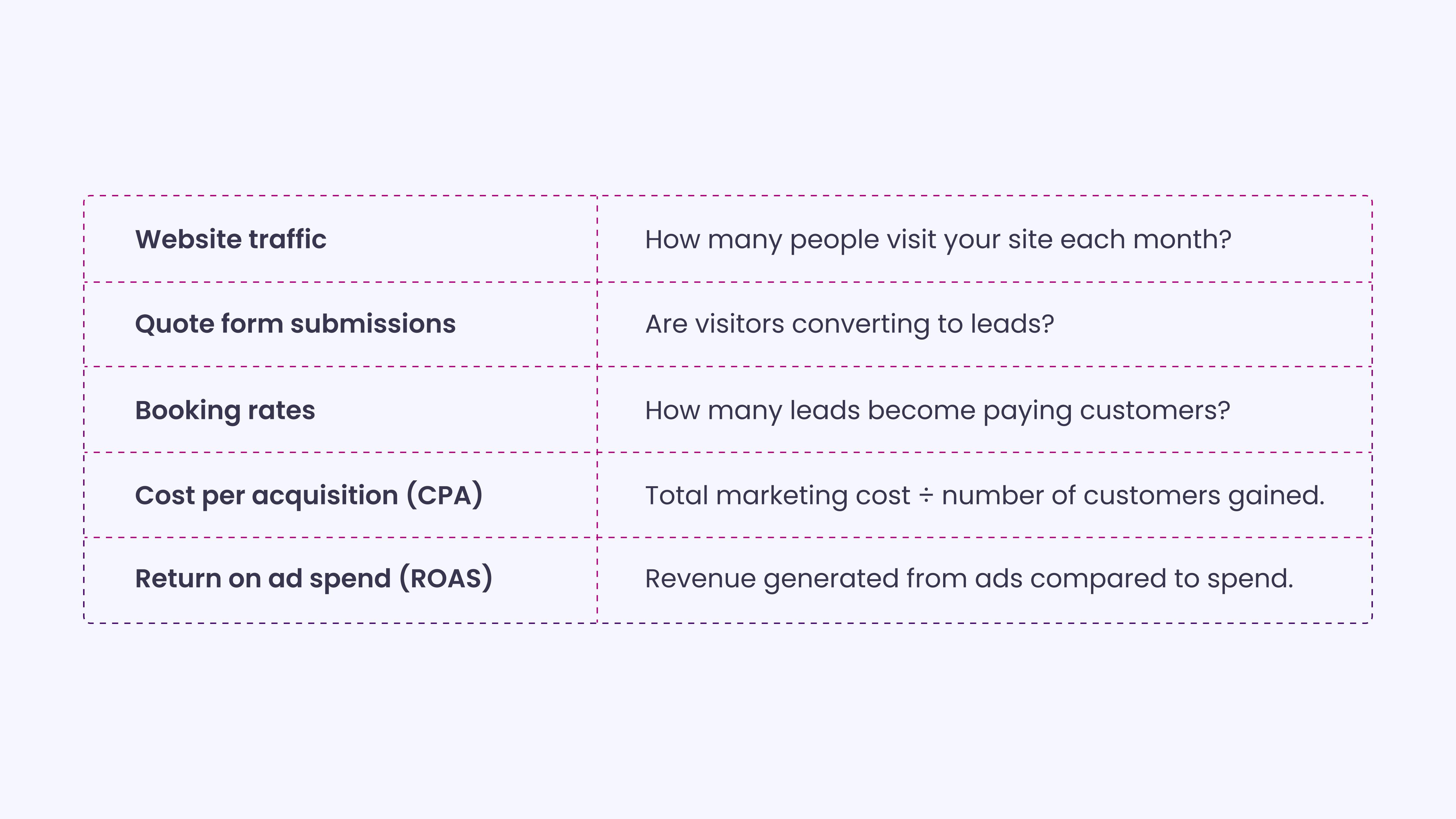
For example, if you’re spending $500 per month on Google Ads and getting 10 conversions, your CPA is $50. If each job brings in $500+, that’s a great ROI.
A/B Testing
A/B testing helps you find what works best by comparing two versions of an ad, email, or landing page.
What to test:
- CTA buttons: “Book Now” vs. “Get Your Free Quote.”
- Email subject lines: “Need Movers Next Week?” vs. “Save 15% on Local Moves.”
- Ad images: Family moving photos vs. truck-only shots
Use tools like Google Optimize, Mailchimp, or Meta Ads Manager to split your audience and track results. For example, one version of your ad features “Trusted Local Movers,” while another states “Fast, Affordable Moving.” See which drives more clicks and scale that version.
Feedback Collection
Honest customer feedback is a goldmine for improving your services and fine-tuning your marketing messages. The most effective time to gather it is right after a move.
You can send a simple post-move survey using tools like Google Forms or Typeform, or keep it even quicker with short email polls, asking something like, “How would you rate your experience from 1 to 5?” Open-ended questions such as “What could we have done better?” also invite more detailed insights.
Once you receive the feedback, put it to work. Highlight positive comments as testimonials on your website or in marketing materials. Share constructive criticism with your operations team to make real service improvements.
And when you receive negative reviews, don’t ignore them; respond professionally and offer to make things right.
Here’s an example of a friendly, low-pressure follow-up email you can use:
“Hi Alex, thanks for choosing [Your Company]! Can you take 2 minutes to tell us how we did? Your feedback helps us get better every day.” It’s a simple gesture that can go a long way in building customer loyalty and continuous growth.
Grow Faster and Smarter with INSIDEA’s Digital Marketing Subscription

At INSIDEA, we deliver powerful digital marketing strategies that elevate your brand’s presence, attract the right audience, and drive measurable growth. Our expert team is dedicated to creating top-tier marketing solutions to meet your unique business needs. With in-depth industry knowledge, we craft customized strategies that align perfectly with your goals, all within our all-in-one digital marketing subscription.
Our comprehensive subscription includes everything you need to succeed in the digital space.
We cover all the essentials, from search engine optimization (SEO) to boost your search rankings and drive organic traffic to WordPress Management to ensure your website is visually appealing, highly functional, and optimized for conversions.
Our content marketing services establish your authority with engaging, insightful content. Social media marketing builds your presence across platforms with interactive and authentic strategies. Our email marketing solutions also connect directly with your audience, driving engagement and conversions.
With INSIDEA’s all-in-one subscription, you can access these services seamlessly, supported by our dedicated digital marketing experts committed to delivering measurable results for your business.
Book a meeting with our experts to explore how we can support your business goals.

 How INSIDEA works