Social media is built on looks. So is plastic surgery. That’s why the two go hand in hand more than most surgeons realize.
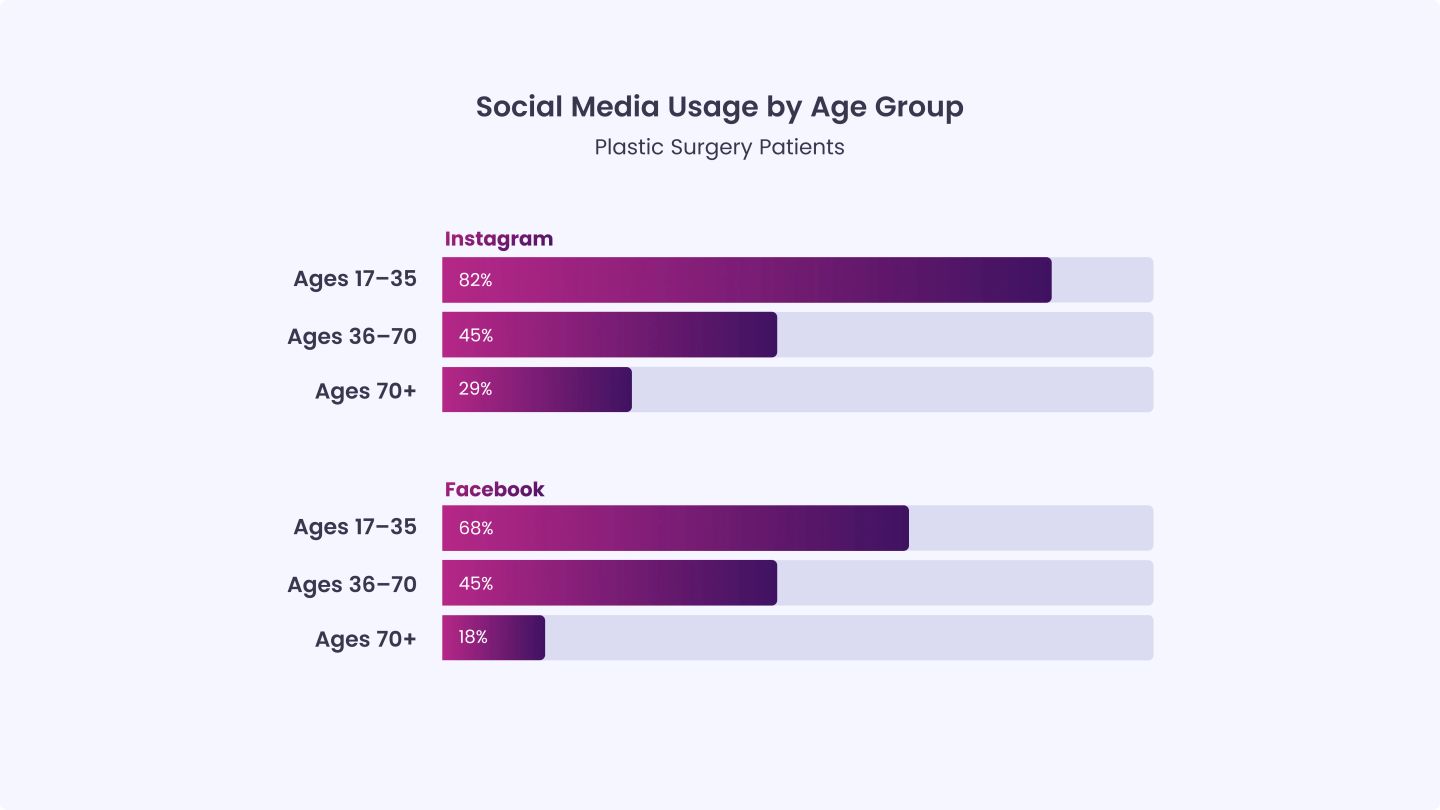
It’s not just about likes or followers. It’s about perception, trust, and visibility, all of which influence how and why patients choose a provider. A review published in The Aesthetic Surgery Journal(PubMed, NIH) found that aesthetic content drives the highest engagement across all age groups, though each group gravitates toward different platforms. TikTok and Instagram pull in patients aged 17 to 35. Instagram and Facebook hold stronger ground with the 36 to 70 crowd. For those 70 and older, Facebook still leads, and blepharoplasty tops the list of procedures viewed.
But here’s the reality: most plastic surgeons either post inconsistently or hand it off to someone who doesn’t understand the industry, the visuals, or the patient mindset. That’s leaving real opportunity on the table.
In this blog, you’ll find 10+ sharp, practical tips to level up social media marketing for plastic surgeons. No fluff, no trend-chasing. Just clear ways to use platforms like Instagram, Facebook, and YouTube to bring the right patients into your practice.
Marketing for plastic surgeons
Rather have this done for you?
Book a 30-minute call with INSIDEA. We look at how customers find you today and send a proposal within 48 hours if we are a fit.
Book a call10+ Social Media Marketing Ideas for Plastic Surgeons to Get Qualified Leads
The strategies below are not about doing more on social media; they’re about doing the right things that actually translate into patient inquiries.:
1. Explain Procedures in Plain Language
Skip the jargon. Most people don’t know the difference between a mini lift and a deep plane facelift, and they shouldn’t have to Google it. Use clear, relatable language in your captions and videos so potential patients understand what you do and why it matters for them.
Content Ideas:
- Video:“3 Questions I Ask Every Rhinoplasty Patient”(talk to camera, 30 to 60 seconds)
- Caption:“Thinking about a nose job but not sure what’s involved? Rhinoplasty isn’t one-size-fits-all. Some patients want a subtle tip refinement; others need internal corrections for breathing. Most swelling clears in 10 to 14 days, with full results over a few months. Curious if it’s right for you? DM us.”
Pro Tip: If writing isn’t your thing, open ChatGPT and type: “Write a casual Instagram caption for a plastic surgeon explaining what to expect during breast augmentation recovery. Keep it under 100 words, easy to understand.” Refine the output with your own voice, and you’re ready to post.
Speaking like a human, not a textbook, makes a real difference. When people feel like they understand you, they’re far more likely to trust you with a consultation.
2. Add Location Tags to Every Post
Local reach doesn’t happen by accident. Patients don’t just search “plastic surgeon”; they search “facelift in Miami” or “rhinoplasty near Scottsdale.” Geo-tagging makes a direct impact here.
Tag your city or neighborhood whenever you post before-and-after photos, team shots, and skincare tips. This signals to the algorithm exactly who to show your content to.
Caption Example:
Mini facelift results, 4 weeks post-op. This patient came in from the Upper West Side looking for a subtle lift with low downtime. Procedure done right here in our NYC office.
Video Idea:
Record a quick tour of your clinic and tag it with your location. You’re showing your space and telling the algorithm who your content is for.
Geo-tagging is a low-effort, high-return move, especially if you’re trying to dominate your local market without spending on ads.
3. Use Instagram Stories to Humanize Your Brand
People choose providers they feel comfortable with. Instagram Stories are a low-effort way to make that connection feel genuine.
What Works Well:
- Meet the staff
- Morning OR setup clips
- Post-op care kit walkthroughs
- Answers to questions your front desk hears daily
Quick Story Ideas:
- Monday: “Here’s what’s on the schedule this week: two rhinoplasties, three BOTOX touch-ups, and a chin lipo consult.”
- Behind-the-scenes: “Setting up the morning OR for a mini lift. We double-check everything twice.”
- Skincare tip: “Don’t use retinol right after fillers. Give it a few days. Here’s why.”
Use Poll, Question, or Quiz stickers to engage followers without a hard sell. You build familiarity, and familiarity builds trust.
4. Host a Live Q&A Once a Month
You don’t need a production crew or a ring light. Just pick a topic, show up, and answer questions. That alone puts you ahead of 90% of your competitors.
Go live for 15-20 minutes once a month. Pick one focused theme:
- Injectables 101: What You Need to Know
- What Recovery Looks Like After a Tummy Tuck
- Skincare Before and After Surgery
How to Keep It Simple:
- Post a story 2 to 3 days ahead: “Going live this Thursday! Got questions about BOTOX or fillers? Drop them below.”
- Pin a countdown sticker to your stories to build anticipation.
- Save the live replay to your profile for people who miss it.
Even if only a few people join live, many more will watch the replay. Every answer shows your expertise in a way that feels personal, not promotional.
5. Run Targeted Ads for Specific Procedures
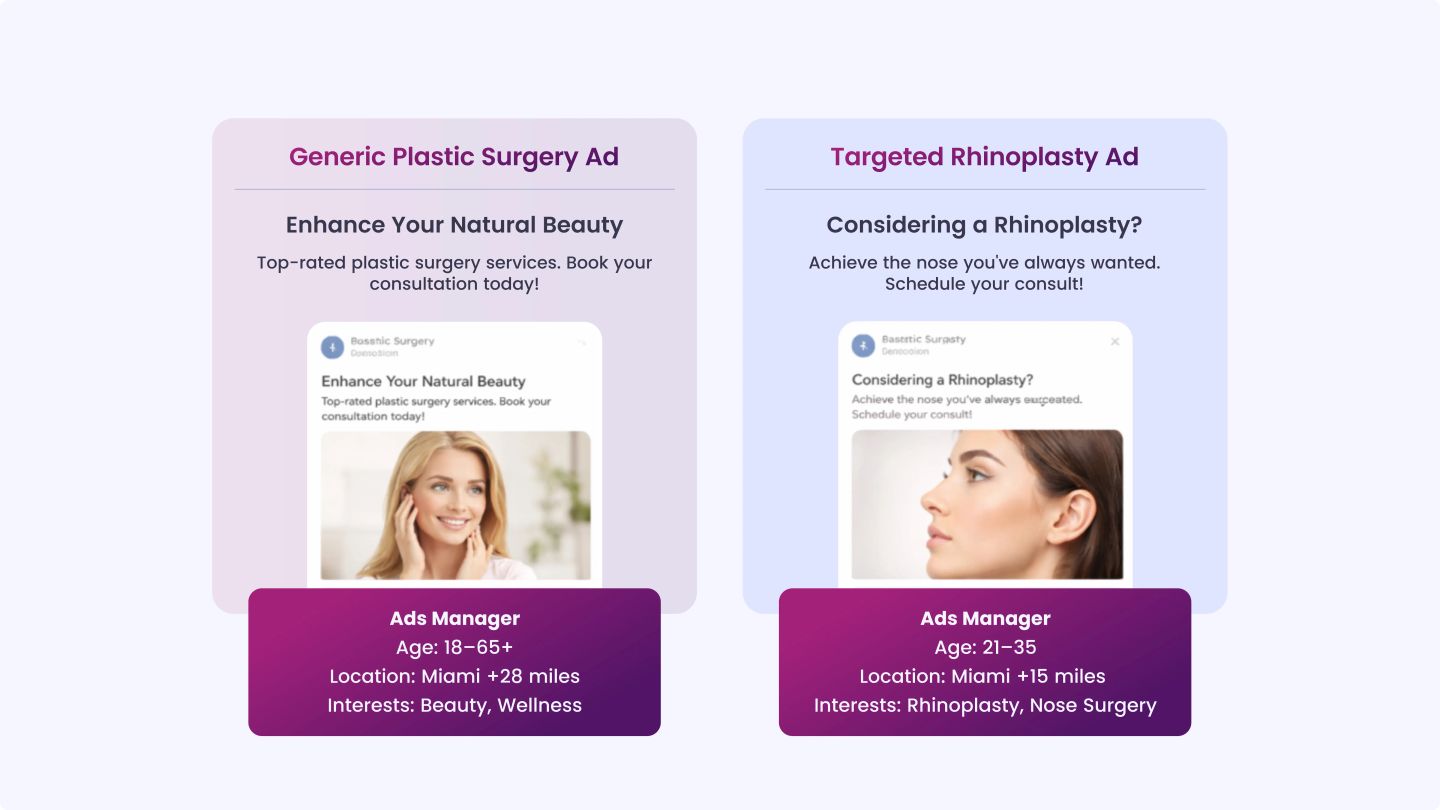
Blanket ads like “Book your plastic surgery consultation today” are easy to scroll past. Focus on one procedure, speak to one group, and aim for one clear result.
Ad Examples:
- “Feel fresher in your 50s. Eyelid lift consultations now open in Atlanta.”
- “Tired of filters? Non-surgical nose refinement for patients in their 20s and 30s now available.”
How to Set Up in Meta Ads Manager:
- Age range: 25 to 35 for lip filler, 40 to 55 for neck lifts
- Location: Zip codes or city radius (hyper-local works best)
- Interests: Beauty, skincare, cosmetic procedures
Pair each ad with a quick video or real result image (never stock photos). Write the caption like you’re talking to one person, not a crowd.
6. Create a Highlights Section for Each Major Procedure
Most new visitors won’t scroll your whole feed, but they will tap through your Highlights if the labels are clear.
Suggested Highlight Labels:
- Rhinoplasty
- BOTOX + Fillers
- Tummy Tuck
- Mommy Makeover
- Recovery FAQs
- Skincare Tips
What to Include in Each Highlight:
- Before-and-after results
- Answers to common patient questions
- Pre-op and recovery tips
- Short clips from live Q&As or day-in-the-life moments
Label them cleanly. Use plain text like “Lipo” or “Neck Lift,” not abstract icons. These act like a visual FAQ page for anyone landing on your profile for the first time.
7. Prepare a Dedicated Content Calendar
Posting randomly leads to burnout or silence. A basic content calendar keeps things consistent without taking up too much of your time.
You don’t need fancy software. A simple spreadsheet or Notes app is enough. Block out a few core themes, rotate weekly, and plan ahead so you’re never scrambling.
Sample Content Calendar:
| Week | Monday | Tuesday | Thursday | Friday |
| Week 1 | Before/After Photo | Skincare Tip | Staff Spotlight | Procedure Breakdown |
| Week 2 | FAQ Video | Recovery Advice | Testimonial Clip | Live Q&A Promo |
| Week 3 | Office Tour (Reel) | Myth Debunked | Behind-the-Scenes | Highlight a Service |
| Week 4 | AI Prompt Idea | Patient Q&A | Seasonal Promo | Common Mistakes Post |
Stick to themes that match what your audience actually wants to know. Rotate based on seasonality, trending concerns, or your most requested procedures.
8. Use AI Tools to Generate Social Media Ideas Faster
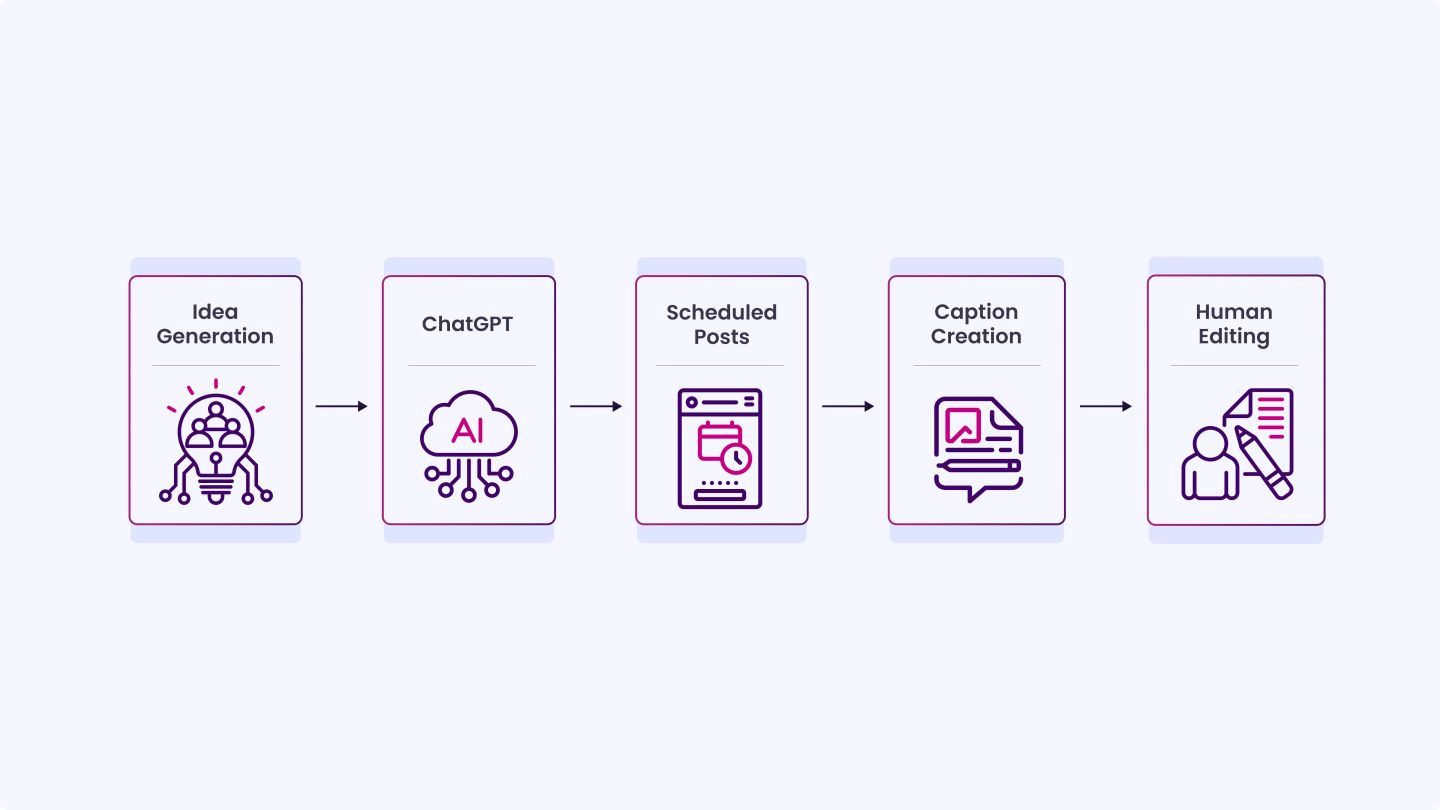
This is one of the most underused advantages available to any practice right now. AI tools like ChatGPT, Claude, and even Meta’s built-in AI features can help you brainstorm content, write captions, spot content gaps, and plan posts weeks in advance, without hiring a full-time social media manager.
The goal isn’t to let AI write everything for you. It’s to use it as a starting point so you’re never staring at a blank screen.
What AI Can Do for Your Social Content:
- Generate 10 caption ideas for a specific procedure in under a minute
- Suggest trending questions patients are searching for about rhinoplasty or BOTOX
- Rewrite a dry, clinical post into something patients actually want to read
- Create a month’s worth of post ideas from a single topic or service
- Summarize long-form content (like a consultation script) into quick social snippets
Practical Prompts to Get Started:
- Give me 5 Instagram Reel ideas for a plastic surgeon focusing on post-op recovery tips.
- Write a Facebook caption explaining what to expect during a facelift consultation. Friendly tone, under 80 words.
- What are the top 10 questions patients ask about rhinoplasty? Format as Instagram Story poll ideas.
- Create a 4-week content calendar for a plastic surgery practice focused on non-surgical procedures.
Where AI Works Best, and Where It Doesn’t:
AI is a strong first draft, not a final product. You still need to add your voice, your specific results, and your patient stories. Avoid publishing AI content that sounds generic or overly polished, because patients notice. Use AI to save time on the thinking, then personalize what comes out of it.
Pair AI-generated ideas with your own before-and-after content, real patient quotes, and location-specific details. That combination is what actually makes a practice feel credible online.
9. Start a Dedicated Instagram Broadcast Channel
If you’re not using Instagram’s Broadcast Channel, you’re missing a direct line to your most engaged followers. It’s a one-way group chat where you can drop updates, tips, and offers straight into people’s inboxes.
No algorithm interruptions. Just a clear channel from you to your interested audience.
What to Share:
- Weekly skincare tips
- Limited-time promos
- Recovery reminders and post-op do’s and don’ts
- Links to your newest Reel or blog post
Channel Name Ideas:
- Inside the Clinic
- Dr. Smith’s Surgery Notes
- Beauty Q&A Weekly
Low effort, high-return, especially when paired with Reels, Stories, and Highlights.
10. Pin Your Top 3 Posts on Instagram and Facebook
Most new visitors won’t scroll past the first three posts. That’s why you control what they see first.
What to Pin:
- A strong before-and-after result
- A short patient testimonial
- A video answering a common question (e.g., “How long does swelling last after lip filler?”)
Think of these as your storefront window. Show what you’re best at and what patients care about most. Update your pinned posts every month or so with seasonal content, new services, or recent reviews.
11. Respond to Comments and DMs
Not everyone hits “Book Now” right away. Most people watch quietly, ask a quick question, and wait to see how you respond. That’s your moment.
Reply like a human, not a template. Keep it warm, clear, and personal.
Comment: “How long does recovery take for a mini tummy tuck?” Reply: “Hi Sarah! Usually 10 to 14 days to get back to regular routines. We also do a full recovery walkthrough during your consultation.”
DM: “I’ve been thinking about a nose job for years but I’m scared of looking done.” Reply: “Totally understand. We specialize in subtle, balanced results. Happy to talk through options anytime.”
Every reply builds trust, and trust leads to consultations. Most practices ignore their inboxes. Don’t let yours be one of them.
12. Highlight Patient Testimonials with Faces and Voices
Written reviews build trust. Video testimonials prove it.
Ask satisfied patients if they’re open to recording a 20 to 30-second video sharing their experience, ideally right after a follow-up or during a post-op check-in. If they’re camera-shy, offer to blur their face or use voice-only.
Video prompt: “What made you choose our clinic? What was your biggest fear going in? And how do you feel now?”
Caption idea: “Marissa came in nervous about her revision rhinoplasty. Two weeks post-op, she said she finally feels like herself in photos. This is why we do what we do.”
Add subtitles to every testimonial. Most people scroll with the sound off, and clear captions keep them watching.
You’re Great with a Scalpel. You Shouldn’t Have to Chase Algorithms Too.
Between consults, surgeries, post-ops, and running a practice, keeping up with every new Reel trend or platform update is a genuine distraction.
That’s where the right social media team comes in. The right people know what works, what to post, and how to keep your name in front of the right patients, while you focus on delivering results.
If you want to stay visible without burning out, let the professionals handle your online presence while you handle what patients actually came to you for.
INSIDEA
Ready to put this into practice?
INSIDEA is an Elite HubSpot Partner rated 4.99 across 500+ verified reviews. Let's map it to your goals.



 How INSIDEA works