You probably set up your Facebook and LinkedIn pages just to tick a box, and social media forinsurance companiesis done. But here’s the thing: what if that next big client is scrolling past your boring posts right now?
Conventional lead sources such as cold calls, mailers, and brokers still work. But insurance isn’t something people casually browse for. There’s a built-in sense of urgency. They’re either looking because something just happened… or they’ve meant to sort it out for months. Either way, when they finally start searching, you want to appear loud, clear, and credible. Did you know60%of insurance consumers now research providers on social media before anything else?
If your feed just echoes “contact us” and stiff headshots, you’re missing a serious opportunity. When used strategically, social media can become a powerful lead-generation engine for insurance companies.
A single reel answering a common question, a client story that feels real, a live session that addresses fears, all these moments can turn a scroll into a click, a click into a conversation, and a conversation into a client.
In this post, I’ve packed 10+ practical tips to help you turn social media forinsurance companiesfrom a background task into a lead-generation powerhouse.
Stats Highlighting the Importance of Social Media for Insurance CompaniesIf you still think that social media is just for aesthetic clothing brands, influencers, or tech startups, give it a minute, because the numbers say otherwise:
Customers are already out there scrolling. Some are confused about premiums, some are comparing providers, and some are just trying to figure out if your company looks legit. This is where they’re looking for those answers. |
Social Media for Insurance Companies: 10+ Smart Ways to Not Look Like a Robot
Before we discuss the 12 tips, let’s clarify two things: even the smartest content won’t help if you’re operating in the dark.
First, know who you’re talking to. Are you trying to reach first-time buyers? People reviewing health insurance? Business owners looking for group plans? The more specific you are about your audience’s worries, questions, and habits, the more your content will land.
Second, don’t try to be everywhere. Insurance isn’t impulse-driven; it’s researched. That means your audience is likely on platforms like Facebook, LinkedIn, Instagram, and maybe YouTube if you share explainers or testimonials. Focus your energy where people engage. That’s how social media for insurance companies becomes a lead source.
Now, let’s discuss the 12 things insurance companies should do on social media because good intentions don’t bring in leads, but smart action does.
1. Use Video to Explain What People Don’t Read
89%say watching a video convinced them to buy a product or service, and 73% prefer short videos to learn about something over text or images. That matters, especially when attention spans are shorter than ever.
For insurance companies, video is about simplifying. Use short videos (under 30 seconds) to break down policies, coverage differences, or what happens during a claim. That’s where the challenge and opportunity are: say more with less, and say it clearly.
For example:
- “Here’s exactly what your home insurance doesn’t cover. Slide 1: Flood damage. Slide 2: Termite damage. Slide 3: Normal wear and tear. Slide 4: What to do next.”
- “You’ve got a 15-second auto insurance renewal reminder? Use it to tell people what’s changed, why it matters, and how to check their coverage.”
Start with Instagram reels. Then, share the same video on Facebook Reels and YouTube Shorts. One well-thought-out clip can cover three major platforms; that’s efficient content in action.
2. Run a “Did You Know?” Series to Engage and Educate
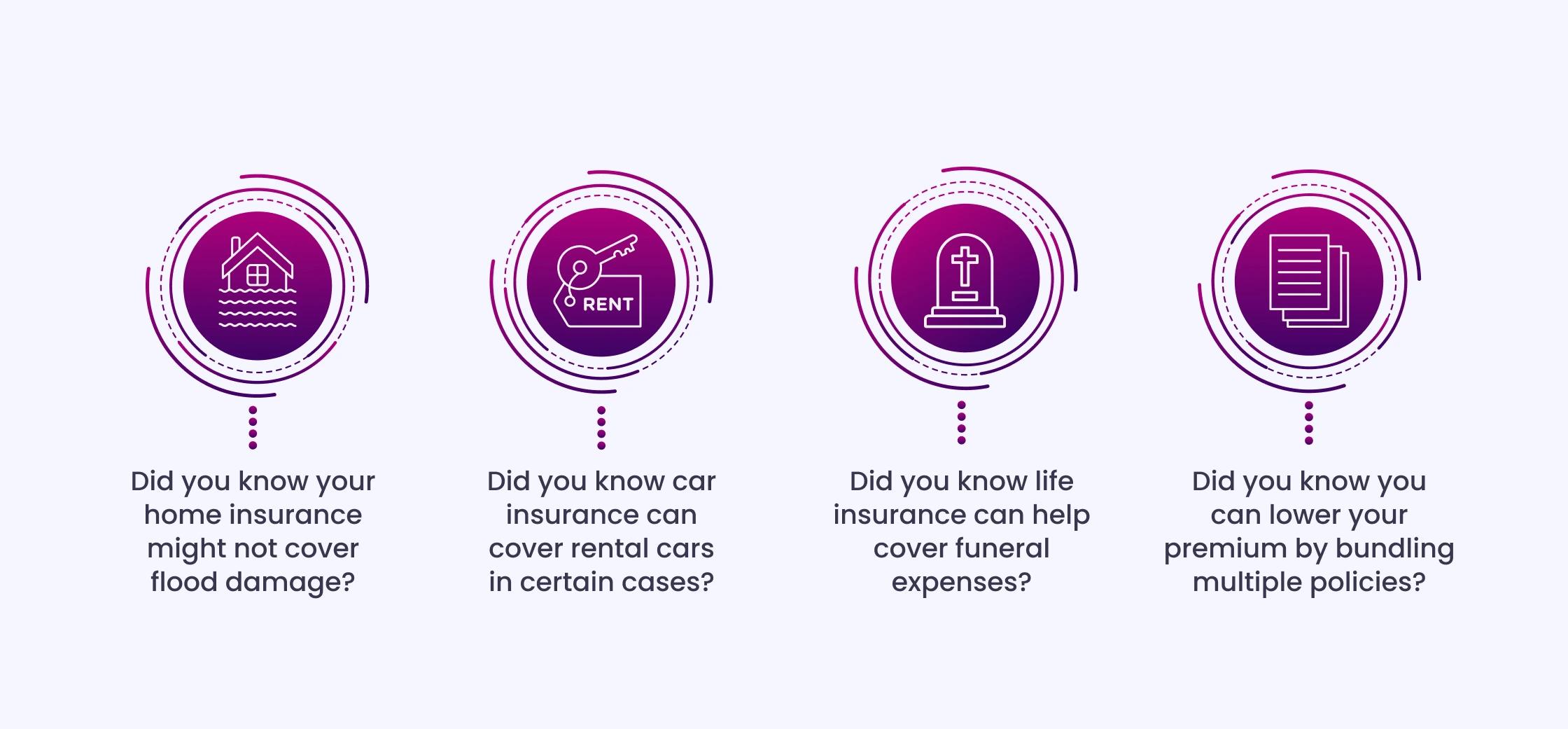
Start a “Did You Know?” series if you want your audience to stop scrolling. This format is simple but highly effective: pose a question and provide a clear, easy-to-understand answer. It’s a great way to engage people while educating them, and it doesn’t take a lot of effort to execute.
The reason it works is direct: social media for insurance companies doesn’t have to be all about hard-selling. People are looking for quick, helpful answers to questions that matter to them. The more you can deliver that, the more trust you build.
For example:
- Did you know that renters’ insurance could cover your personal belongings, even if they’re stolen while you’re traveling? You can break it down in a quick story or post, explaining how coverage works in real-life situations and making it easy to digest and relate to.
- Did you know your auto insurance might not cover rental cars when you’re traveling? Use a short video or a carousel post to clarify this, with practical examples of when and why it might be important.
The best part is that you don’t need to spend hours creating content. Simply post it as a story on Instagram, then share it on Facebook stories and YouTube shorts. These platforms are perfect for quick, impactful content that’s easy for people to consume on the go.
3. Use Client Testimonials and Success Stories
In the insurance world, trust is everything. If you want potential clients to believe in your services, they need to hear directly from those who’ve been through the process and had their needs met.
Testimonials are social proof that can elevate your marketing from ordinary to compelling. They humanize your insurance company and connect with people who may feel overwhelmed or confused about their coverage options. When people are dealing with uncertainty, whether it’s about health insurance, auto coverage, or life insurance, they want to hear from someone who’s been in their shoes.
Share real client stories. Don’t just say, “We helped someone with their claim.” Go deeper. For example:
- A single mom in [City/Region] had her medical bills covered after a car accident, and the process took less than a month.
- A small business owner found the perfect insurance policy within a few days, avoiding a potential financial crisis.
Be specific. Be personal. When your audience sees real results from real people, it builds trust and makes them more comfortable reaching out for a quote or consultation.
These success stories also play a vital role in insurance companies’ social media. Sharing them on platforms like your website, Instagram, or Facebook improves your visibility by optimizing for relevant keywords like “auto insurance claims” or “health insurance success stories,” making it easier for clients to find you.
Client testimonials provide authentic content that resonates more than generic ads. They also help you rank better in search results for terms related to your services, driving organic traffic.
In essence, letting satisfied clients speak for you is the most honest, impactful form of marketing in an industry built on trust.
4. Optimize Profiles and Content for Search
Regarding social media for insurance companies, most people don’t visit the website first. Before anything else, they will check out your social pages such as Facebook, Instagram, and LinkedIn. If your bio is vague, outdated, or unclear, you risk losing opportunities before they even begin.
Your profiles should clearly explain who you help, what services you offer, and how people can contact you. You also want to incorporate keywords potential clients are likely to search for, such as “home insurance in [your city],” “auto insurance coverage in [your area],” or “affordable life insurance near me.”
Here’s how to optimize your profiles based on the platform, keeping everything consistent yet customized to each platform’s unique format:
YouTube Bio (Channel “About” Section)
Example:“I help individuals and families in [City/Region] find the best insurance coverage for home, auto, and life policies. I break down complex insurance topics in simple, everyday language to ensure you get the protection you need.”
📍 [City/Region]📞 Free Consultation: [Phone Number]💼 Auto, Home, Life Insurance Tips | New Videos Every Week
Tip: YouTube allows you more space, so use it to include location, keywords, and a posting schedule to help your content appear in relevant searches.
Instagram Bio
Example:
📍 Serving [City/Region]💼 Auto, Home, Life Insurance
📲 Get a free quote today! [Link]
Tip:Instagram bios are limited to 150 characters. Be punchy, use emojis for clarity, but keep it professional. Ensure your link leads to a contact form or booking page to increase conversions.
Facebook Page Bio/About
Example (Intro Section):“We help families and small businesses in [City/Region] find affordable, reliable insurance coverage. Whether it’s home, auto, or life insurance, we’ll guide you every step of the way. Contact us for a free consultation.”
Tip:Facebook bios should be friendly but professional. Use complete sentences to highlight your location, services, and how clients can get in touch. It should feel approachable while still showcasing your insurance expertise.
LinkedIn Headline + About Section
Example Headline:Insurance Agent | Helping Families and Businesses in [City/Region] Secure the Right Coverage
Example Summary (About):“I’m an experienced insurance professional serving [City/Region] residents and small businesses with comprehensive coverage solutions for home, auto, and life insurance. I focus on understanding your unique needs and providing clear, affordable options. Let’s connect for more insights into how I can help protect your future.”
Tip: LinkedIn allows for a more professional tone. To build trust, focus on your expertise, approach, and value proposition. Highlight your services and include relevant keywords to boost insurance companies’ SEO.
5. Utilize Facebook Groups and Instagram Broadcasting Channels Effectively
Facebook Groups and Instagram Broadcasting Channels can be game-changers for insurance companies on social media. These tools aren’t just about posting updates; they’re about building a community that trusts your brand and engages with your content.
Broadcasting channels on Instagram are a direct, personal way to communicate with your followers. You can share:
- Quick, actionable tips like “How to file a claim in three steps” or “What to do when you need to update your car insurance.”
- Exclusive offers or updates about new policies in a way that feels more like a conversation than a sales pitch.
The benefit of Instagram Broadcasting Channels is the immediate connection you create with your audience. It’s personal, efficient, and builds trust, as followers get the content they care about without sifting through other posts.
On Facebook, groups take this a step further by creating a space where people can ask questions, share experiences, and discuss insurance-related topics. Here’s what you can do in a Facebook Group:
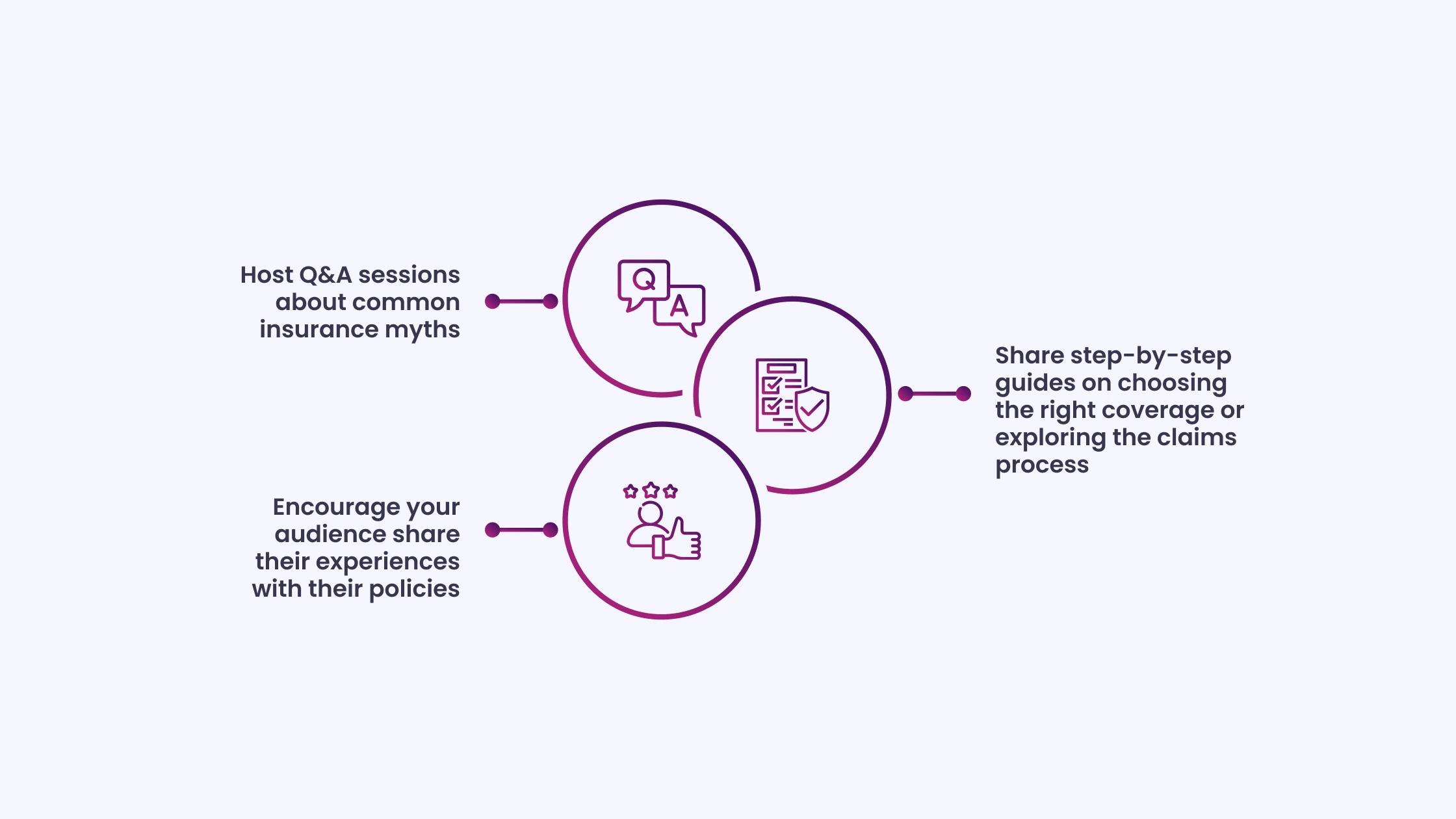
- Host Q&A sessions about common insurance myths.
- Share step-by-step guides on choosing the right coverage or exploring the claims process.
- Encourage your audience share their experiences with their policies, creating a community-driven space for learning and support.
6. Show the Faces Behind the Firm
Behind every great insurance firm, real people are working hard to serve your clients. Show the faces behind your firm and let potential clients see who’s there to help them.
Introducing your team with short bios or behind-the-scenes posts makes your company feel approachable and trustworthy. Let your audience get to know your team personally. You might say:
- “Meet Alex, our claims specialist, who’s helped over 300 clients navigate auto accidents without losing their minds.”
- “John, our customer support lead, makes sure every call ends with a smile.”
It’s about showing that your firm comprises genuine people who care. These posts humanize your brand, turning your team into relatable figures that potential clients feel comfortable reaching out to.
7. Highlight One Product Per Month
When managing social media for insurance companies, it’s tempting to showcase everything you offer in one post. However, spreading your focus too thin won’t have the impact you want. Instead, pick one product per month, such as home insurance, auto insurance, renters insurance, or travel coverage, and dedicate that month to focusing on it.
This approach lets you explore the product from multiple angles across your posts and stories. For instance:
- Week 1: Break down the basics: what the insurance covers and why it matters.
- Week 2: Share real client stories or testimonials highlighting how the coverage made a difference.
- Week 3: Post an engaging video explaining common myths and misconceptions about that product.
- Week 4: Host a Q&A session or go live to answer any lingering questions from your audience about that product.
Focusing on one product for a month helps educate your audience thoroughly, ensuring they understand its value before deciding. It also keeps your content consistent and valuable, offering deeper insights instead of overwhelming your followers with too many options at once.
With social media for insurance companies, this approach allows you to position yourself as an authority.
8. Geo-Tag Every Post to Boost Local Visibility
If you’re not geo-tagging your posts, you’re missing a simple but powerful way to boost your local reach. For insurance companies, this means showing up right in front of people actively searching for your services in your area.
Platforms like Instagram and Facebook use location data to index content, which makes it easier for users to find posts relevant to their location. When someone in your area is looking for insurance options or browsing local businesses, geo-tagging your posts increases your chances of appearing in their feed.
How to do it:
- Instagram: Add a location tag to your posts, whether it’s your city, office, or a neighborhood you serve. For example, if you’re targeting West Austin, use that specific location tag instead of just “Austin.”
- Facebook: When uploading photos or videos, check in at your office or tag your business location. This makes your posts visible to people in your area looking for insurance options.
Pro Tip: Instead of just tagging the broader city, use specific neighborhoods or local landmarks. Instead of just “Dallas,” try tagging areas like Oak Lawn or Bishop Arts District. This makes your posts even more relevant to people in those areas.
Consistently geo-tagging helps your insurance company appear in local feeds, connect with nearby clients, and build a presence where it matters most, right in your service zone. This is how social media for insurance companies can become an effective tool for growing their local presence.
9. Utilize Paid Advertising Strategically
Organic reach can only take you so far. While engaging content and consistent posting help, at some point, you’ll need to boost your visibility to reach a broader, more targeted audience. This is where paid advertising is crucial in insurance companies’ social media presence.
Social platforms offer precise targeting options, allowing you to reach the right people at the right time. For example:
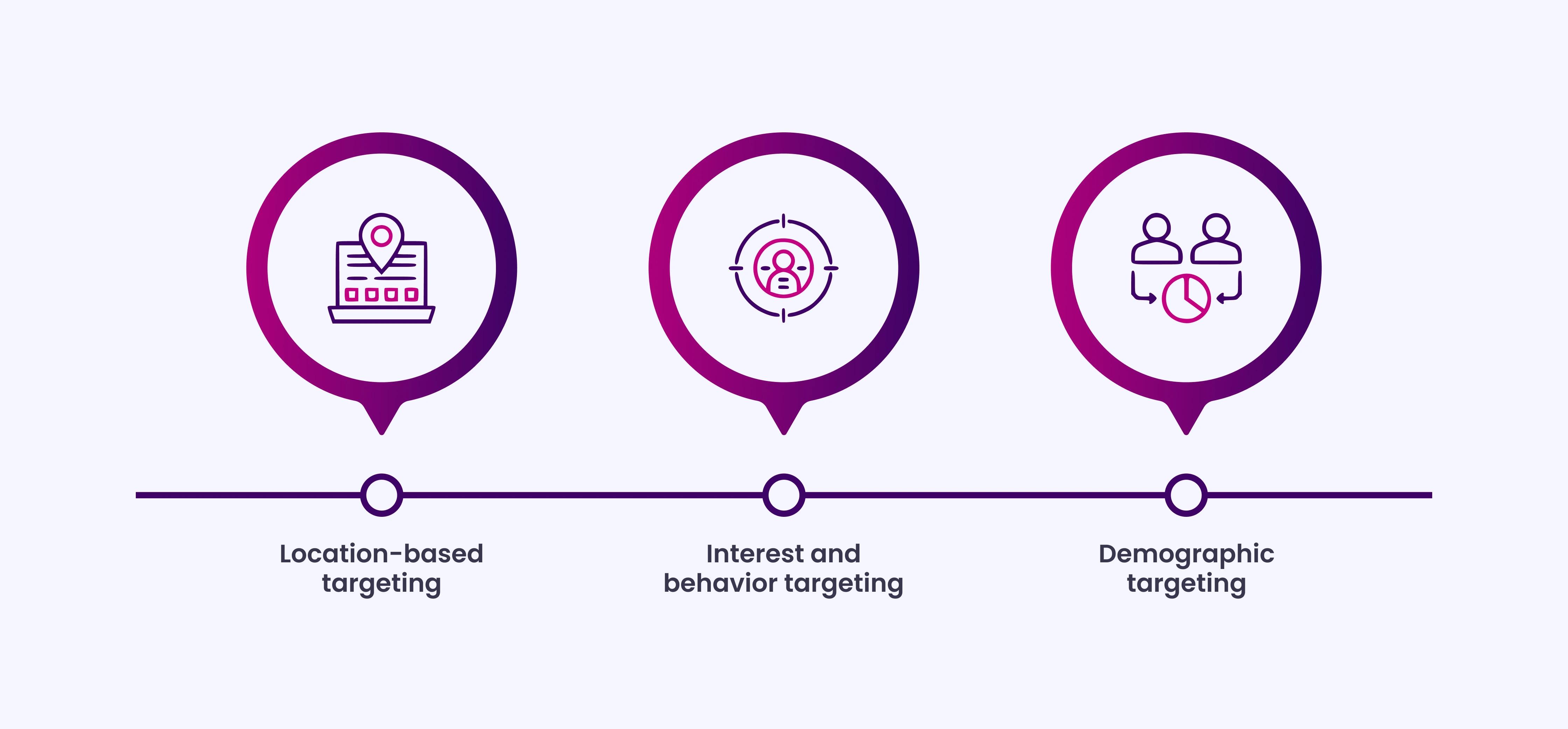
- Location-based targeting: If you focus on clients in your city or region, you can ensure that your ads are seen only by people in those areas.
- Interest and behavior targeting: Show your ads to individuals searching for topics like “affordable home insurance,” “auto accident claims,” or “life insurance options.”
- Demographic targeting: Target specific age groups, such as millennials looking for renters’ insurance or seniors needing health coverage.
Start with platforms where your audience already spends time. For insurance companies,MetaAds (Facebook and Instagram) are excellent for reaching a broad audience. They work particularly well for ads designed to raise awareness or direct users to free consultations or quick quotes. You can also use LinkedIn Ads to target professionals or businesses needing group insurance or commercial coverage.
Another powerful tool is Google Ads, especially YouTube pre-roll ads. These allow you to reach potential clients while they’re watching relevant content. Imagine explaining your policy options or offering tips on reducing auto insurance rates right before someone watches a video on safe driving or accident prevention.
However, paid advertising isn’t about simply pouring money into ads and hoping for the best. You need to monitor performance closely. Keep an eye on metrics such as:
- Click-through rates: How many people are clicking on your ads?
- Engagement: Are people interacting with your ad by liking, commenting, or sharing?
- Conversion rates: How many leads or consultations are generated from those clicks?
Adjust your ads accordingly. Test different messages, images, and offers. For example, one ad may be more effective with a call to action like “Get a Free Quote,” while another might perform better with client testimonials.
10. Use AI to Generate and Brainstorm Content
AI tools can help insurance companies quickly create relevant and engaging content. Here’s how you can use AI to streamline your content creation process:
- Competitor Research: Use AI to analyze your competitors’ content. See what’s working for what posts get the most engagement, what topics they focus on, and which hashtags they use. This will give you ideas for your posts without the guesswork.
- Trending Topics: Use AI tools to track what’s trending in the insurance world. Leverage platforms like ChatGPT to brainstorm fresh angles or generate relevant content quickly. You can also utilize Cloud-based AI tools to keep your content on trend with what matters most in social media for insurance companies.
- Data-Driven Ideas: Review the data you’ve collected from your posts (engagement rates, audience interactions). AI can highlight patterns and suggest fresh angles or areas you might have missed.
- Meta AI Tools: Facebook and Instagram’sMeta AIoffer easy-to-use features for generating content ideas, writingcaptions, and creating visuals. This reduces the time spent brainstorming, allowing you to focus on refining your messaging.
- Image Generation Tools: UseGenCraftorCanva’simage-generating platform to create high-quality visuals that complement your posts. This will save you time while ensuring your content looks professional and engaging.
Use these tools to improve your content process and stay connected with your insurance company’s audience on social media.
11. Analyze Performance Metrics
Posting consistently is important, but analyzing what works drives business growth. If you’re not tracking your results, you’re essentially guessing, and that’s not a strategy.
Every social media platform offers built-in analytics tools that help you measure your performance:
- Meta Business Suite(for Facebook and Instagram) gives you a clear view of reach, engagement, clicks, and follower growth, all in one dashboard. This lets you track which posts are making an impact and which aren’t.
- LinkedIn Analyticslets you examine who’s viewing your content, including job titles, industries, and locations. This gives you insight into which segments are engaging with your posts.
- YouTube Studiotracks metrics like video watch time, audience retention, and traffic sources. This helps you understand which videos are holding attention and driving traffic.
- Google Analytics(linked to your website) shows you which social posts are sending traffic to your contact page or booking forms. This helps you understand what’s converting and what’s not.
Pro Tip: Use this data to find patterns:
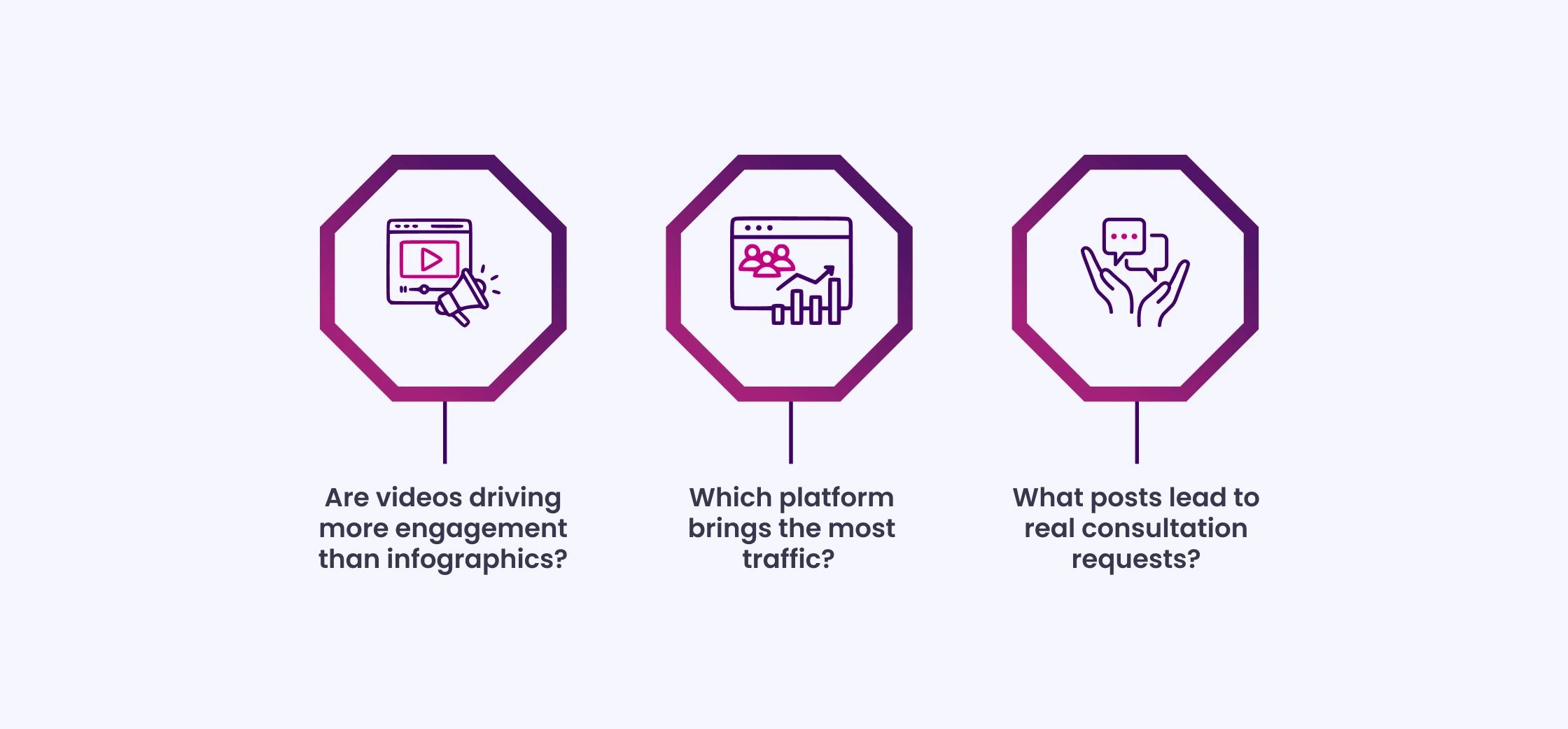
Are videos driving more engagement than infographics?
Which platform brings the most traffic?
What posts lead to real consultation requests?
This information lets you refine your strategy and keep improving your results.
Insurance is Complicated. Social Media Doesn’t Have to Be.
Handling insurance claims is tough enough; dealing with paperwork, negotiations, and clients’ needs is a full-time job. Now, adding social media for insurance companies to the mix gets even more overwhelming. Content creation, ad management, and tracking metrics never stop.
Social media moves fast. What worked yesterday might not work today, and the last thing you need is to spend time figuring it all out. You should focus on your clients, not on keeping up with trends or algorithms.
That’s where social media marketing experts come in. They know how to keep your insurance company’s online presence strong while you focus on what really matters, your clients.
Grow Faster and Smarter with INSIDEA’s Digital Marketing Subscription

AtINSIDEA, we deliver powerful digital marketing strategies that elevate your brand’s presence, attract the right audience, and drive measurable growth. Our expert team is dedicated to creating top-tier marketing solutions to meet your unique business needs. With in-depth industry knowledge, we craft customized strategies that align perfectly with your goals, all within ourall-in-one digital marketing subscription.
Our comprehensive subscription includes everything you need to succeed in the digital space.
FromSearch Engine Optimization (SEO)that boosts your search rankings and drives organic traffic toWordPress Management, ensuring your website is visually appealing, highly functional, and optimized for conversions.
Ourcontent marketingservices establish your authority with engaging, insightful content.Social media marketingbuilds your presence across platforms with interactive and authentic strategies. Ouremail marketingsolutions connect directly with your audience, driving engagement and conversions.
With INSIDEA’s all-in-one subscription, you can access these services seamlessly, supported by our dedicated digital marketing experts committed to delivering measurable results for your business.
Book a meeting with our experts to explore how we can support your business goals.



 How INSIDEA works