If you manage a call center, you already know the challenges: missed follow-ups, long wait times, scattered customer data, and overworked agents trying to juggle everything. The pressure to deliver quick, personalized, and consistent support is higher; without the right system, it’s easy to fall behind.
That’s precisely where a CRM for call centers makes a difference.
A CRM connects every customer conversation across phone, email, chat, or social media into one dashboard. It helps your team stay organized, resolve issues faster, and track what’s working and what’s not. Studies show that businesses using CRM systems have improved customer retention by up to 27% and increased agent productivity by more than 30%.
The right CRM can reduce call handling time, increase first-call resolution, or make your support team more efficient.
In this blog, we will review 17 of the best CRM options for call centers so you can find the one that fits your team, your goals, and your budget.
What Should You Look for in a CRM for Call Centers?
Below are the key features you should look for when choosing a CRM for call centers. These will help your team work smarter and support customers faster.
1. Omnichannel Support
Customers reach out through various platforms, including phone, email, chat, and social media. A good CRM consolidates all of these channels into one place.
This helps your team respond faster and avoids switching between multiple tools. It also gives agents a complete view of past interactions, so they don’t have to ask customers to repeat themselves.
2. Real-Time Analytics and Reporting
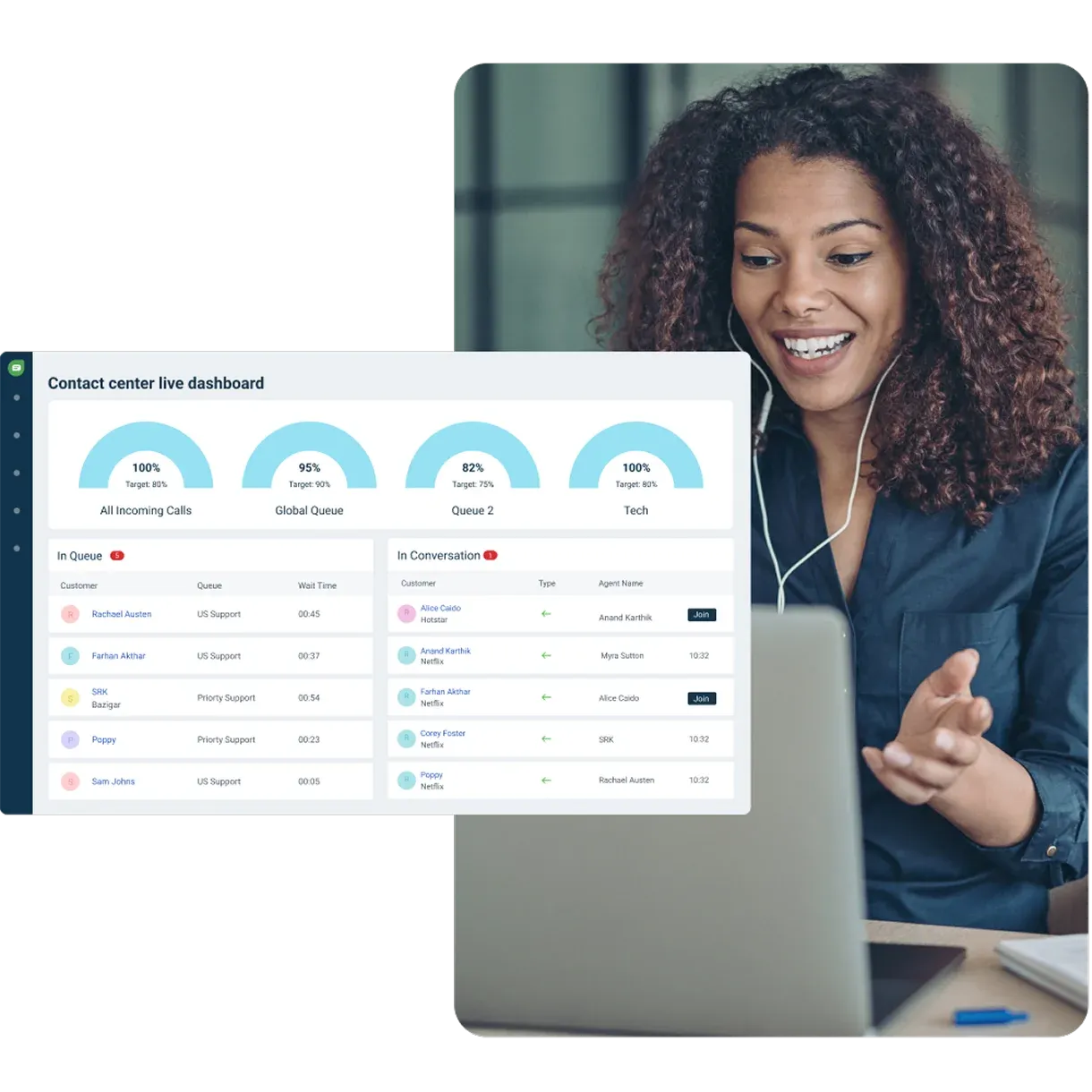
Real-time data helps supervisors track agents’ performance. It shows average handling time, response rates, and call resolution times.
This insight helps you find what’s working and what needs improvement. It also helps with staffing decisions and setting team goals based on actual numbers.
3. Automated Workflows
Call center agents often perform repetitive tasks such as logging calls, assigning tickets, and following up. CRM automation can automate these steps.
For example, it can assign a ticket to the right person or automatically send follow-up emails. This saves time and reduces human error, letting agents focus more on helping customers.
4. Integration Capabilities
Your CRM should work well with other tools your team already uses. Easy integration avoids double work, whether a phone system, help desk software, or email platform.
When all systems talk to each other, agents don’t need to switch tabs or copy-paste data. Everything updates in real time, making work smoother and faster.
5. Scalability and Customization
As your call center grows, your CRM should grow with it. You can add more users, features, or tools without starting from scratch.
Also, every business runs a little differently. The best CRMs let you adjust dashboards, reports, or workflows to fit your team’s needs instead of forcing you into a fixed setup.
FYI: This article contains affiliate links. We receive commission on purchases made through links on this page.
CRM for Call Centers: 17 Solutions That Make Customer Support Easier
Here are 17 of the best CRMs for Call Centers, which can help make customer support easier and more efficient for your team.
1. HubSpot CRM
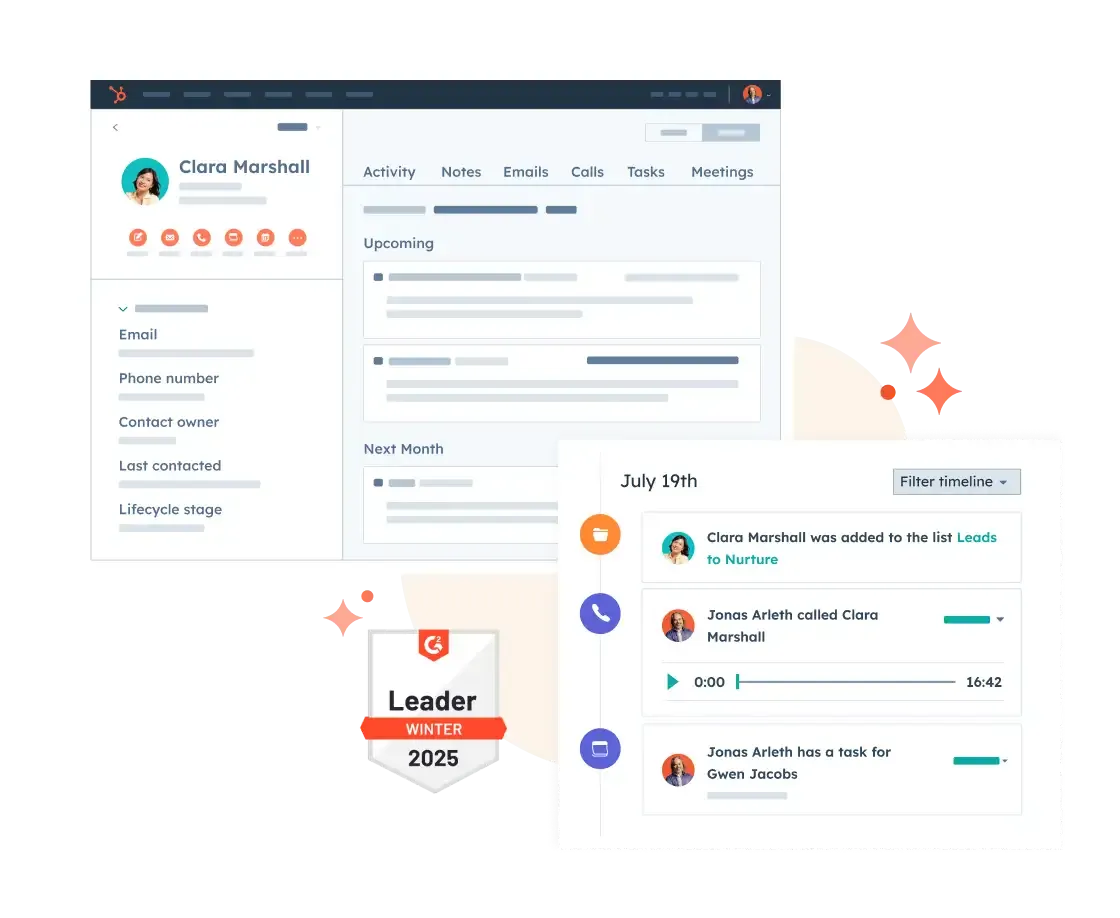
HubSpot CRM is a user-friendly platform that helps businesses manage customer interactions and support tasks. It is known for its easy setup and inbound marketing capabilities.
Essential Features of HubSpot
HubSpot CRM provides essential tools for managing customer service. The ticketing system allows agents to log, assign, and track customer issues efficiently. Live chat enables real-time communication with customers directly from the website.
Email tracking helps agents monitor email opens and interactions, which supports timely follow-ups. These features are built into a clean interface that is easy to navigate, even for new users.
| Pros | Cons |
| Free tier with generous features | Some advanced tools require paid plans |
| Simple, intuitive interface | Limited customization in the free version |
| Integrates well with marketing tools |
Pricing and Ideal Use
HubSpot CRM offers a free plan, with paid plans starting at $50 per month, depending on the number of users and tools required.
It is well-suited for small to medium-sized businesses looking for an all-in-one platform that combines customer support with marketing and sales tools.
2. Salesforce Service Cloud
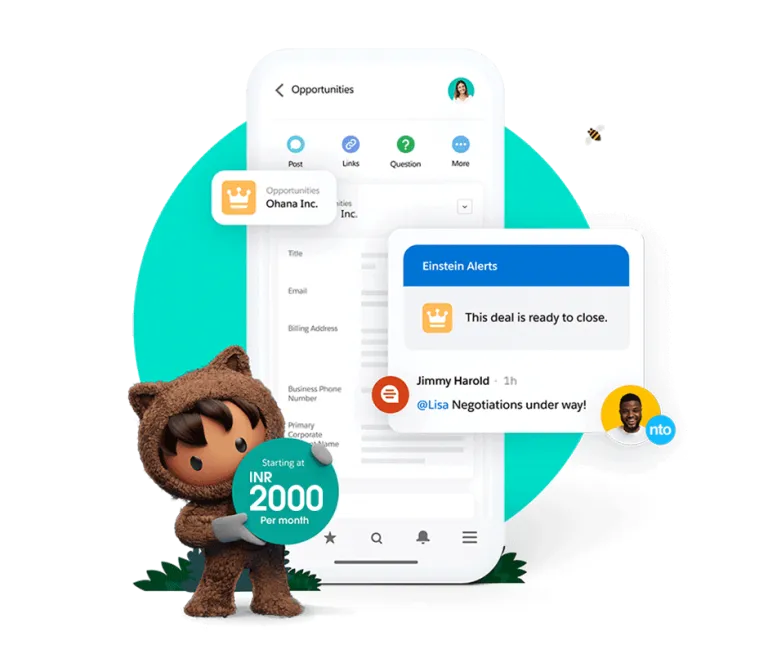
Salesforce Service Cloud is a customer relationship management platform that supports call centers and service teams. It helps businesses manage customer queries, automate service processes, and improve response times.
Features of Salesforce Service Cloud
Salesforce Service Cloud offers tools that assist call center agents in efficiently handling high volumes of customer interactions. Its case management feature allows agents to track and resolve customer issues from one place. With AI-powered insights (through Salesforce Einstein), the platform can recommend actions and surface relevant information based on the context of a customer query. The omnichannel routing system automatically directs incoming requests to the most suitable agent based on availability and skill set. These tools improve service speed and reduce manual work.
| Pros | Cons |
| Highly customizable workflows | Steeper learning curve for new users |
| Integrates with a wide range of tools | Pricing may be high for small teams |
| Scalable for large organizations | Advanced features are often locked behind higher tiers |
Pricing and Ideal Use
Salesforce Service Cloud pricing starts at $25 per user per month, with additional costs for advanced features and add-ons. This platform best suits large enterprises or growing service teams with complex support operations that need robust customization and integration capabilities.
3. Zoho CRM
Zoho CRM is a flexible solution that combines customer management with a wide range of business tools. It offers extensive customization and affordability for growing teams.
Essential Features of Zoho CRM
Zoho CRM supports multichannel communication, allowing teams to manage conversations across email, phone, social media, and live chat from one dashboard. Its workflow automation helps reduce repetitive tasks by setting up rules for follow-ups, task assignments, and status changes. The platform also supports custom fields and modules, making it adaptable to different industries and processes.
| Pros | Cons |
| Budget-friendly pricing | The interface may feel cluttered to new users |
| Customizable workflows and modules | Some features have a learning curve |
| Broad set of integrations | Occasional lag in performance |
Pricing and Ideal Use
Zoho CRM pricing starts at $14 per user per month, making it a cost-effective option. It is ideal for businesses that want a scalable, customizable CRM without a high upfront cost, especially those with unique processes or multi-channel support needs.
4. Freshdesk
Freshdesk is a cloud-based customer support platform developed by Freshworks. It is designed to help teams manage and resolve customer issues efficiently across different channels.
Features of Freshdesk
Freshdesk includes a ticketing system that organizes customer requests from email, phone, chat, and social media into a single interface. The platform offers AI-powered chatbots that can handle basic queries, reducing the load on support agents.
It also supports call center integration, making managing voice support and other communication channels easier. The automation tools help streamline repetitive tasks such as ticket routing, follow-ups, and resolution tracking.
| Pros | Cons |
| Easy to set up and use | Some useful features are only available in higher plans |
| Strong automation functionality | Limited customization in lower-tier plans |
| Supports multiple communication channels | Add-ons may increase the overall cost |
Pricing and Ideal Use
Freshdesk offers a free plan for small teams and paid plans starting at $15 per agent per month. It is ideal for startups and small-to mid-sized businesses that want a reliable and easy-to-use support platform without a heavy investment.
5. Zendesk
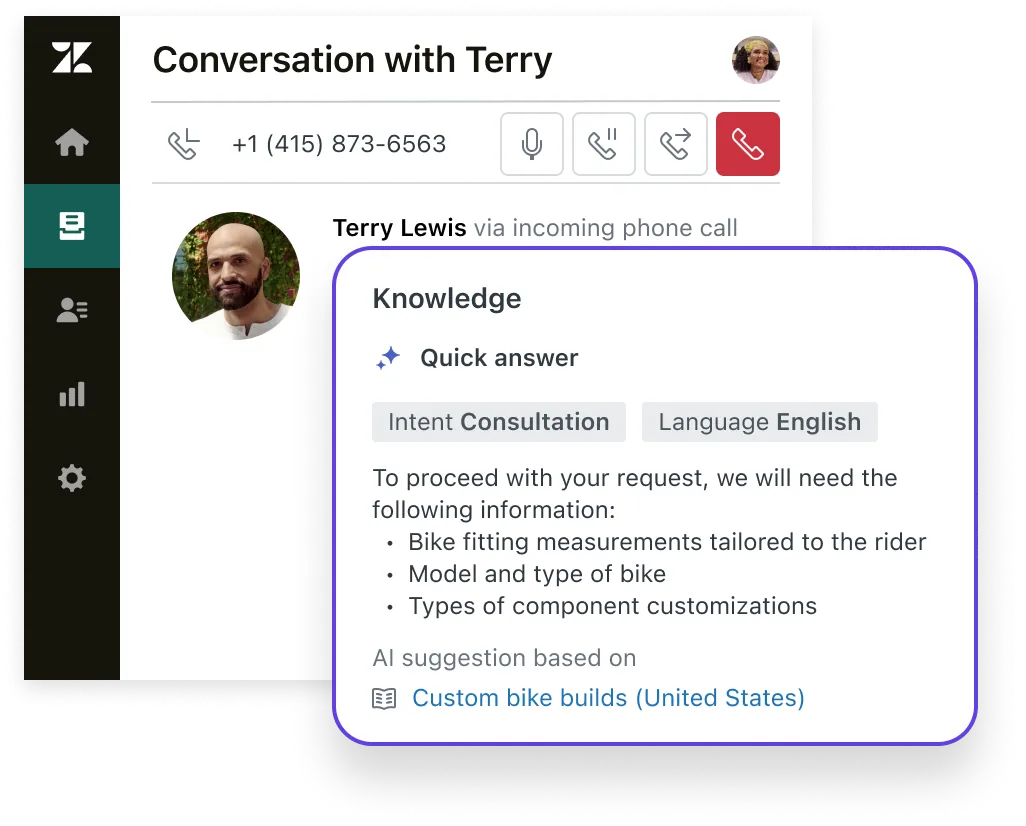
Zendesk is a well-established CRM platform known for its customer support and engagement tools. It helps businesses manage multi-channel support while offering detailed performance tracking.
Features of Zendesk
Zendesk supports omnichannel communication, including email, chat, phone, and social media. All customer interactions are stored in a unified dashboard, allowing agents to respond with context. Its analytics dashboard provides real-time insights into agent performance, customer satisfaction, and ticket trends. The platform also offers a large marketplace of integrations and apps to extend functionality.
| Pros | Cons |
| Scales well with business growth | Pricing can increase quickly as usage grows |
| Wide range of integrations | Some features require technical setup |
| Strong reporting and analytics | Not ideal for very small teams with a limited budget |
Pricing and Ideal Use
Zendesk pricing starts at $49 per agent per month. It is best suited for medium to large businesses that need a reliable, scalable solution for providing consistent customer support across multiple channels.
6. Bitrix24
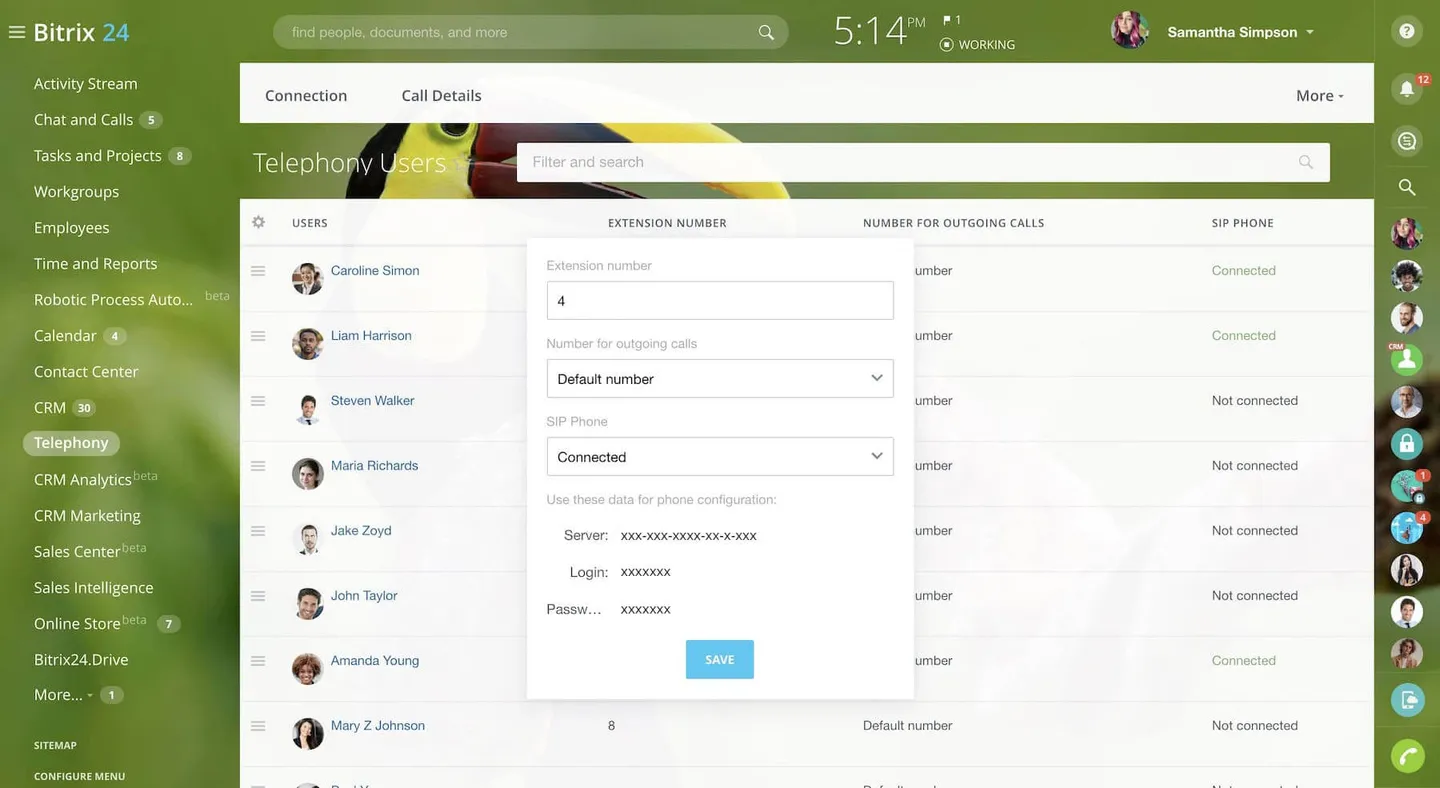
Bitrix24 is an all-in-one platform that combines CRM, project management, and team collaboration tools. It helps businesses manage sales, communication, and internal processes from one system.
Features of Bitrix24
Bitrix24 offers telephony integration for managing inbound and outbound calls directly within the CRM. It also includes lead management tools that help users capture, score, and nurture leads through sales. The platform’s automation features can streamline repetitive tasks like assigning leads, sending follow-ups, and updating deal statuses. In addition to CRM tools, Bitrix24 includes tasks, calendars, chat, and file sharing modules.
| Pros | Cons |
| Free plan includes core CRM and collaboration tools | Steep learning curve due to broad feature set |
| Combining sales, project, and communication tools | The interface may feel cluttered for some users |
| Good telephony and VoIP support | Customization options can be overwhelming |
Pricing and Ideal Use
Bitrix24 offers a free plan for small teams, with paid plans starting at $39 monthly. It is ideal for organizations that want a centralized platform to handle CRM, project tasks, and team communication in one place.
7. Pipedrive
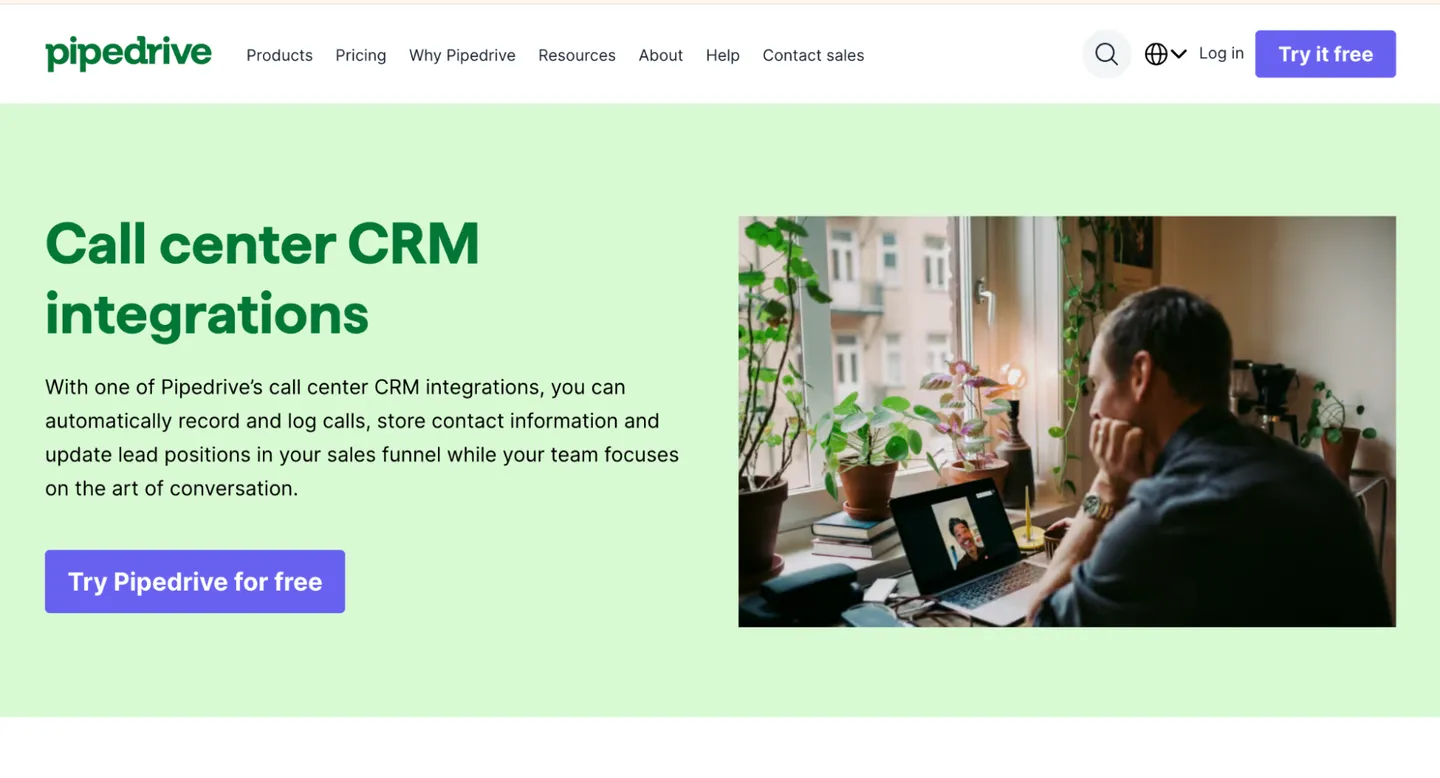
Pipedrive is a CRM designed primarily for sales teams. It helps users manage leads and deals through a visual sales pipeline.
Features
Pipedrive includes call tracking that logs calls and helps teams follow up efficiently. Activity reminders keep agents on track with scheduled calls, meetings, and tasks. It also supports integrations with other tools like Google Workspace, Zoom, and email. The interface focuses on simplicity, with drag-and-drop pipelines and customizable deal stages that suit different sales processes.
| Pros | Cons |
| Simple and intuitive interface | Limited marketing and customer service tools |
| Customizable sales pipelines | No built-in email marketing automation |
| Quick setup and minimal learning curve | Best suited for smaller teams |
Pricing and Ideal Use
Pipedrive starts at $15 per user per month, making it an affordable option for small sales teams. It is best for businesses that want a direct, sales-focused CRM with minimal setup and easy-to-use tracking tools.
8. EngageBay
EngageBay is an all-in-one CRM platform that combines marketing, sales, and customer service tools. It’s designed to help small businesses manage customer relationships and automate workflows without high costs.
Essential Features of EngageBay
EngageBay includes a helpdesk system for managing support tickets, live chat for real-time communication, and call recording to review customer interactions. It brings marketing, sales, and support into a single platform, allowing teams to track leads, automate follow-ups, and resolve customer queries efficiently. The unified dashboard helps maintain visibility across all customer touchpoints.
| Pros | Cons |
| Affordable pricing with a free tier | Limited third-party integrations |
| Combines marketing, sales, and support | The interface may feel basic for large teams |
| Suitable for startups and growing teams | Some features are locked behind higher plans |
Pricing and Ideal Use
EngageBay offers a free and paid plan starting at $11.99 per monthly user. It best suits startups and small businesses looking for an affordable all-in-one CRM without multiple tools.
9. JustCall
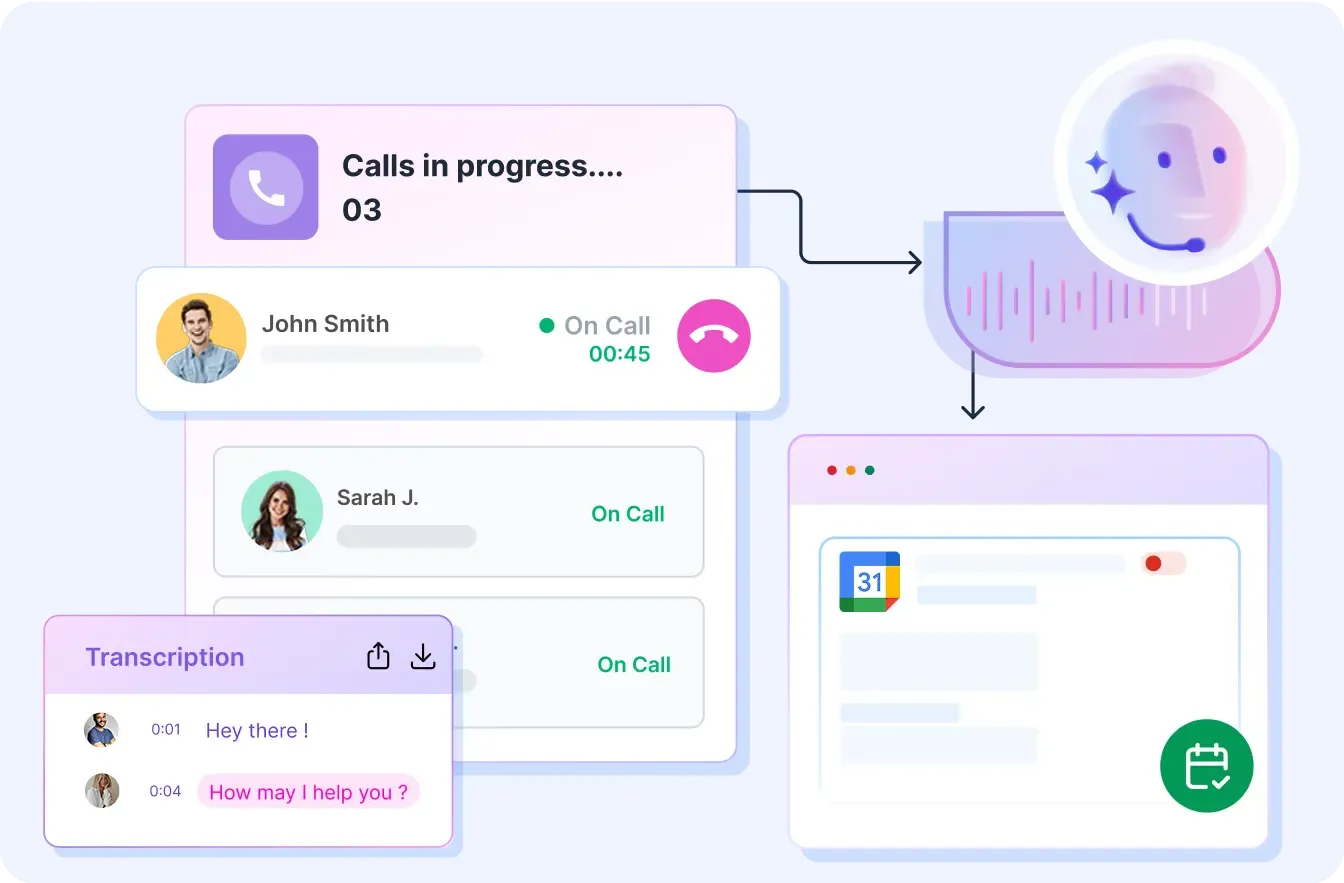
JustCall is a cloud-based phone system built for sales and support teams. It focuses on streamlining voice communication while integrating with popular CRMs and helpdesk platforms.
Features of JustCall
JustCall provides call center software for inbound and outbound calling, SMS automation for sending text messages, and CRM integrations with tools like HubSpot, Zoho, and Salesforce. It enables teams to set up local or international numbers, record calls, monitor performance, and create call workflows with minimal technical effort.
| Pros | Cons |
| Quick and easy to set up | Limited features outside voice/SMS |
| Strong calling and SMS features | Less suited for teams needing full CRM functionality |
| Works well with popular CRMs | May require additional tools for broader customer support |
Pricing and Ideal Use
JustCall’s pricing starts at $25 per user per month. It is ideal for sales and support teams prioritizing voice communication and needing reliable call handling with CRM integration.
10. Five9
Five9 is a cloud-based contact center platform designed for large support teams. It provides tools to manage customer interactions across channels while leveraging automation and AI for better efficiency.
Essential Features of Five9
Five9 includes predictive dialing to connect agents only when a call is answered, reducing wait time. The platform supports omnichannel routing, allowing customers to reach support through voice, chat, email, or social media. Built-in analytics tools help track performance metrics like call volume, resolution time, and agent efficiency. These features support high-volume operations with a focus on reducing manual work.
| Pros | Cons |
| Scales well for large teams | Comes with a higher price |
| Robust automation and AI tools | May not suit small operations |
| Offers advanced analytics | Customization may require support |
Pricing and Ideal Use
Five9 uses custom pricing based on the business’s size and needs. It is best suited for large call centers that require robust, scalable infrastructure and advanced routing, dialing, and analytics tools.
11. Talkdesk
Talkdesk is a cloud contact center platform designed to improve agent productivity and customer experience using AI and automation. It supports enterprise-level support operations with flexible deployment.
Key Features of Talkdesk
Talkdesk offers intelligent routing, which directs customer queries to the most suitable agent based on preset rules. Its real-time dashboards provide insights into agent activity, customer satisfaction, and ticket status.
The platform integrates with CRMs and helpdesks, allowing teams to access customer data during calls or chats. AI tools assist with automating everyday tasks and improving service accuracy.
| Pros | Cons |
| Fast deployment and setup | May need a technical setup for some features |
| User-friendly interface | Higher-tier features may require training |
| Strong AI and reporting capabilities | Integration complexity for custom tools |
Pricing and Ideal Use
Talkdesk follows a custom pricing model depending on team size and feature requirements. It is ideal for enterprises looking to enhance customer service with AI-driven automation and real-time operational insights.
12. Aircall
Aircall is a cloud-based phone system built for customer support and sales teams. It helps teams efficiently manage and route voice calls while integrating with popular CRM platforms.
Features of Aircall
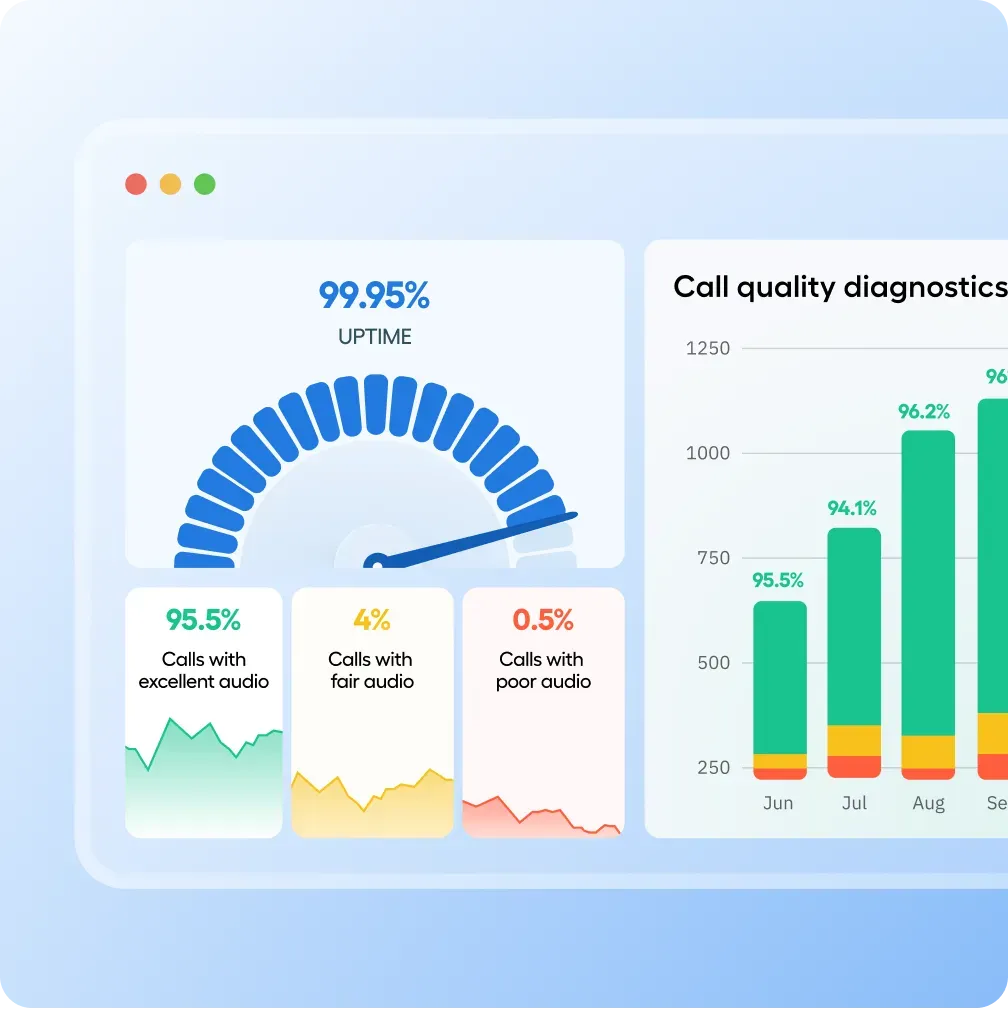
Aircall provides call routing to ensure customer calls are directed to the right agent or department based on availability and rules. Its analytics tools help teams monitor call volume, duration, and agent performance.
The platform also supports CRM integrations with tools like HubSpot, Salesforce, and Zoho, allowing agents to access customer details and call history during conversations. Everything runs in the cloud, so there’s no need for hardware setup.
| Pros | Cons |
| Fast and direct CRM integration | Focuses only on voice support |
| Easy-to-use interface | No built-in ticketing or chat |
| Cloud-based setup with no hardware | Limited advanced analytics |
Pricing and Ideal Use
Aircall pricing starts at $30 per user per month. It is best suited for businesses relying heavily on voice communication, such as outbound sales teams or customer support departments prioritizing phone-based interactions.
13. Nextiva
Nextiva is a unified communications platform that combines VoIP phone services with collaboration and basic CRM tools. It supports businesses looking to streamline internal and external communication.
Features of Nextiva
Nextiva offers VoIP calling, video conferencing, and team messaging in one platform. The CRM capabilities include basic contact management, call logging, and tracking customer interactions. It also features team collaboration tools like shared calendars and task management. This setup helps businesses handle communication and workflow in one place without needing separate apps.
| Pros | Cons |
| High uptime and reliability | CRM tools are basic compared to standalone CRMs |
| Good customer support and onboarding | Limited customization of CRM workflows |
| Combining communication and collaboration | Fewer third-party integrations |
Pricing and Ideal Use
Nextiva plans start at $21.95 per user per month. It is ideal for businesses that want an integrated platform for voice, messaging, and simple CRM needs, especially those that value reliability and internal collaboration.
14. LiveAgent

LiveAgent is a customer service platform that combines helpdesk ticketing, live chat, and call center functions into one system. It’s designed to help small and medium-sized businesses manage customer communications efficiently.
Features of LiveAgent
LiveAgent includes a ticketing system that collects all customer inquiries from email, chat, and calls into one dashboard. Its call routing feature helps connect customers to the right agents quickly.
The customer portal allows users to track their support history and access knowledge base articles. The platform also supports SLA management and internal team collaboration.
| Pros | Cons |
| Affordable pricing | The interface may appear outdated |
| Includes voice, chat, and ticketing | Lacks the modern UI found in newer tools |
| Supports multiple channels | Some features are locked in higher plans |
Pricing and Ideal Use
LiveAgent pricing starts at $15 per agent per month. It is ideal for SMEs that need a cost-effective solution with essential support tools like chat, calls, and ticketing in one place.
15. Vtiger CRM
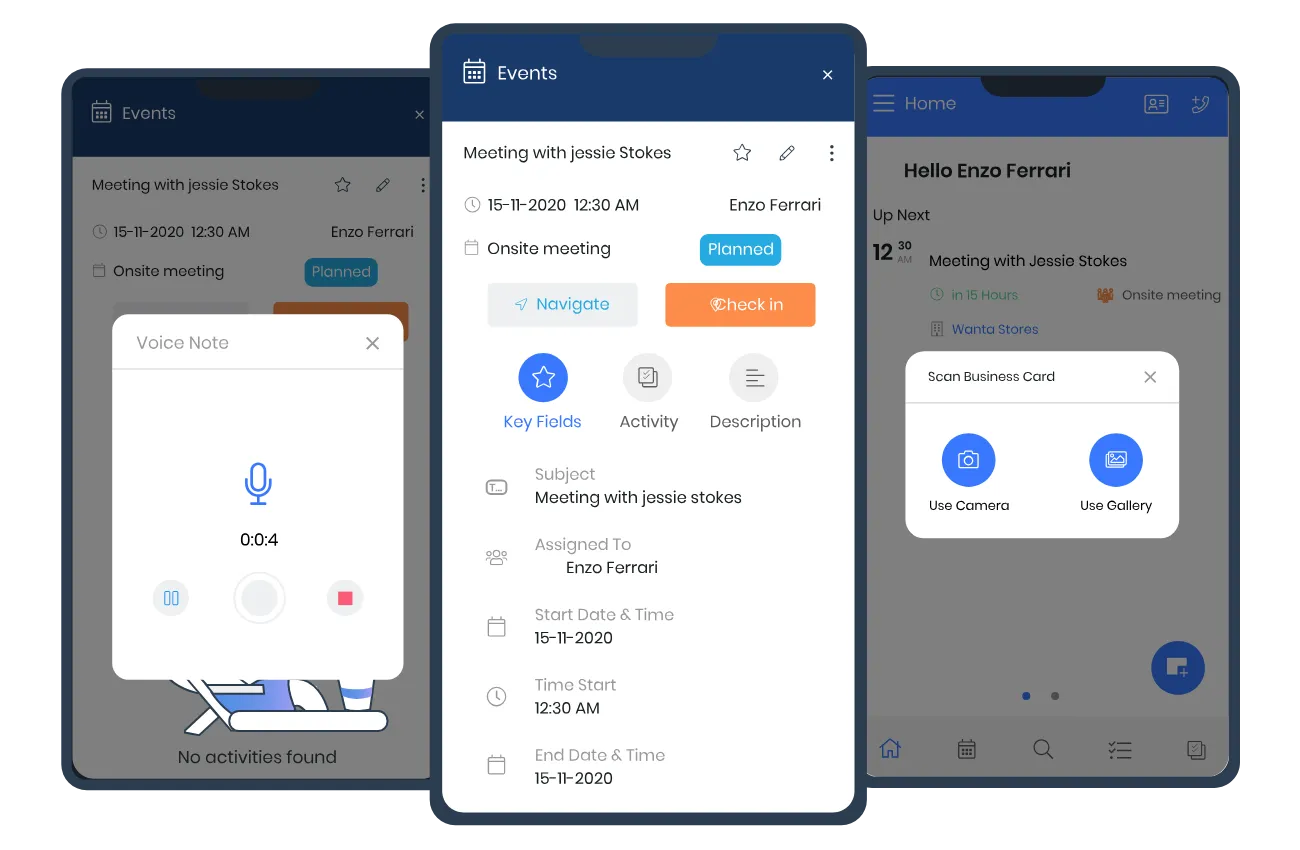
Vtiger CRM is an open-source customer relationship management system that combines sales, marketing, and customer support features. It is suitable for businesses that want complete control over their CRM setup.
Key Features of Vtiger
Vtiger includes telephony integration to manage voice calls within the platform and log interactions automatically. It supports workflow automation to assign leads, send alerts, and update records based on specific triggers.
Vtiger offers a full CRM suite with modules for sales tracking, marketing campaigns, and case management. The open-source version allows for self-hosting and deep customization.
| Pros | Cons |
| Highly customizable | May require technical setup and maintenance |
| The open-source version is free to use | UI is less modern compared to competitors |
| Strong community and support resources | Setup can be time-consuming |
Pricing and Ideal Use
Vtiger offers a free open-source version, while cloud-hosted plans start at $30 per user per month. It is best for businesses that want flexibility and control, especially those with in-house technical teams capable of customizing and managing the system.
16. Rings AI
Rings AI is an AI-powered CRM designed for businesses that rely on long-term relationships and complex deal processes. It automatically captures email and meeting activity, enriches relationship data, and gives teams a connected view of people, companies, and interactions.
Key Features of Rings AI
Rings AI automatically builds a relationship graph from email and meeting activity, helping teams keep customer and contact information up to date without relying on manual CRM entry. Its AI can also generate meeting preparation, relationship summaries, and suggested tasks using team-wide activity, notes, process history, and web context.
For teams handling frequent calls and meetings, this gives agents and sales professionals more context before and after conversations. Instead of searching through scattered notes or previous interactions, they can use Rings to understand the history of a relationship and identify relevant next steps.
| Pros | Cons |
| AI-powered relationship intelligence | Better suited to relationship-driven teams than traditional call centers |
| Automatically captures relationship activity | May require an adjustment from traditional CRM workflows |
| Meeting prep and relationship summaries | Focused more on relationship context than conventional ticketing |
Pricing and Ideal Use
Rings AI uses a demo-based pricing model. It is best suited for businesses where customer and professional relationships extend beyond individual transactions, including professional services, investment firms, recruiting teams, and other relationship-driven organizations.
17. Front
Front is a customer operations platform that helps support teams manage shared customer conversations and coordinate work across departments. It is built for issues that require more than a single reply, such as escalations and requests that span teams or tools.
Features of Front
Front provides shared inboxes, ticketing, workflow automation, and collaboration features for keeping customer context visible. Its Professional plan adds omnichannel support for email, SMS, social, and other channels, while AI tools can assist with responses, quality checks, and customer-satisfaction insights.
| Pros | Cons |
| Strong cross-team coordination | Advanced capabilities require higher plans |
| Shared inbox and ticketing tools | Pricing is per seat |
| Automation and AI options | May be more than smaller teams need |
Pricing and Ideal Use
Front's Starter plan starts at $25 per seat per month when billed annually, with Professional at $65 and Enterprise at $105. It is best suited to support organizations that need shared visibility, structured handoffs, and automation for complex customer operations.
INSIDEA
Ready to get more out of HubSpot?
We are an Elite HubSpot Partner rated 4.99 across 450+ verified reviews. Let's make your portal work harder.

 How INSIDEA works