Shoppers are more selective, competition is tighter, and attention spans are shorter than ever. A generic “20% off” text won’t cut through the noise. But a well-timed message based on what a customer browsed, bought, or left in their cart?
That gets noticed, and it converts.
This is the foundation of effective SMS marketing for e-commerce.
Segmentation enables you to divide your SMS list into specific groups, such as new customers, repeat buyers, or VIPs, so you’re not sending the same message to everyone. Personalization takes it further by tailoring the content of each message to match what a customer wants or needs.
Together, they turn your SMS marketing from a bulk messaging tool into a targeted, high-impact revenue channel.
In this blog, we will break down advanced segmentation strategies, personalization tactics, and the tools you need to make it all work.
The Role of SMS Marketing for E-commerce Growth
SMS marketing is a direct, personal, and high-converting channel for e-commerce brands seeking to foster loyalty and drive sales instantly.
SMS vs. Email: Open Rates and Click-Through Performance
SMS outperforms email in terms of visibility and speed of engagement. SMS messages have an average open rate of 98%, whereas emails have an open rate of 15-25%.
Most text messages are read within 3 minutes of delivery. In contrast, emails may go unnoticed for hours or never get opened at all. SMS campaigns achieve CTRs between 10% and 20%, whereas email CTRs typically range from 2% to 5%. This means that SMS gives you a faster and more direct line to your customer’s attention.
Mobile-First Behavior and Instant Reach
Most consumers today use smartphones to shop, scroll, and stay updated. SMS fits naturally into this behavior:
- No App Required: Unlike push notifications or social media ads, SMS doesn’t depend on app installs or platform algorithms.
- Works Offline: Customers receive texts even if they’re not connected to the internet.
- No Spam Filters: Messages land directly in the inbox without being filtered or lost in “promotions” tabs like email.
This makes SMS ideal for time-sensitive messages where speed and visibility matter.
How SMS Marketing for E-commerce Drives Real Results
SMS is more than just a channel for promotions. E-commerce brands use it across the customer journey:
| Use Case | Purpose |
| Flash Sales | Announce limited-time offers and drive fast traffic. |
| Order Updates | Share order confirmations, shipping alerts, and delivery updates. |
| Cart Recovery | Send reminders for abandoned carts with a direct link to complete purchase. |
| Review Requests | Ask for product reviews post-purchase with a quick link to submit feedback. |
| Loyalty Rewards | Notify customers of earned points, VIP tier upgrades, or exclusive offers. |
| Restock Alerts | Let customers know when their favorite items are back in stock. |
Why Segmentation & Personalization Drive Results For Your E-commerce Business?
In SMS marketing for e-commerce, segmentation means dividing your subscriber list into smaller groups based on shared traits. Instead of sending one generic message to everyone, you craft tailored messages for each group to boost engagement and conversions.
Common ways to segment:
- By behavior: Browsed a product, added to cart, made a purchase.
- By location: City, state, or country.
- By purchase history: New customers vs. repeat buyers.
- By demographics: Age, gender, birthday month.
- By engagement: Active vs. inactive subscribers.
Segmentation enables you to send more relevant messages that are more likely to be opened, clicked, and acted upon.
Personalization goes one step further. It’s about tailoring the content of your SMS to the individual, not just the group.
Ways to personalize:
- Include the customer’s first name.
- Recommend products based on past purchases.
- Mention location-specific deals.
- Send a birthday offer on their actual birthdate.
- Adjust send times based on user behavior.
Personalized texts feel more like a helpful message, not a generic ad.
Advanced Segmentation Strategies That Refine Precision and Drive Impact
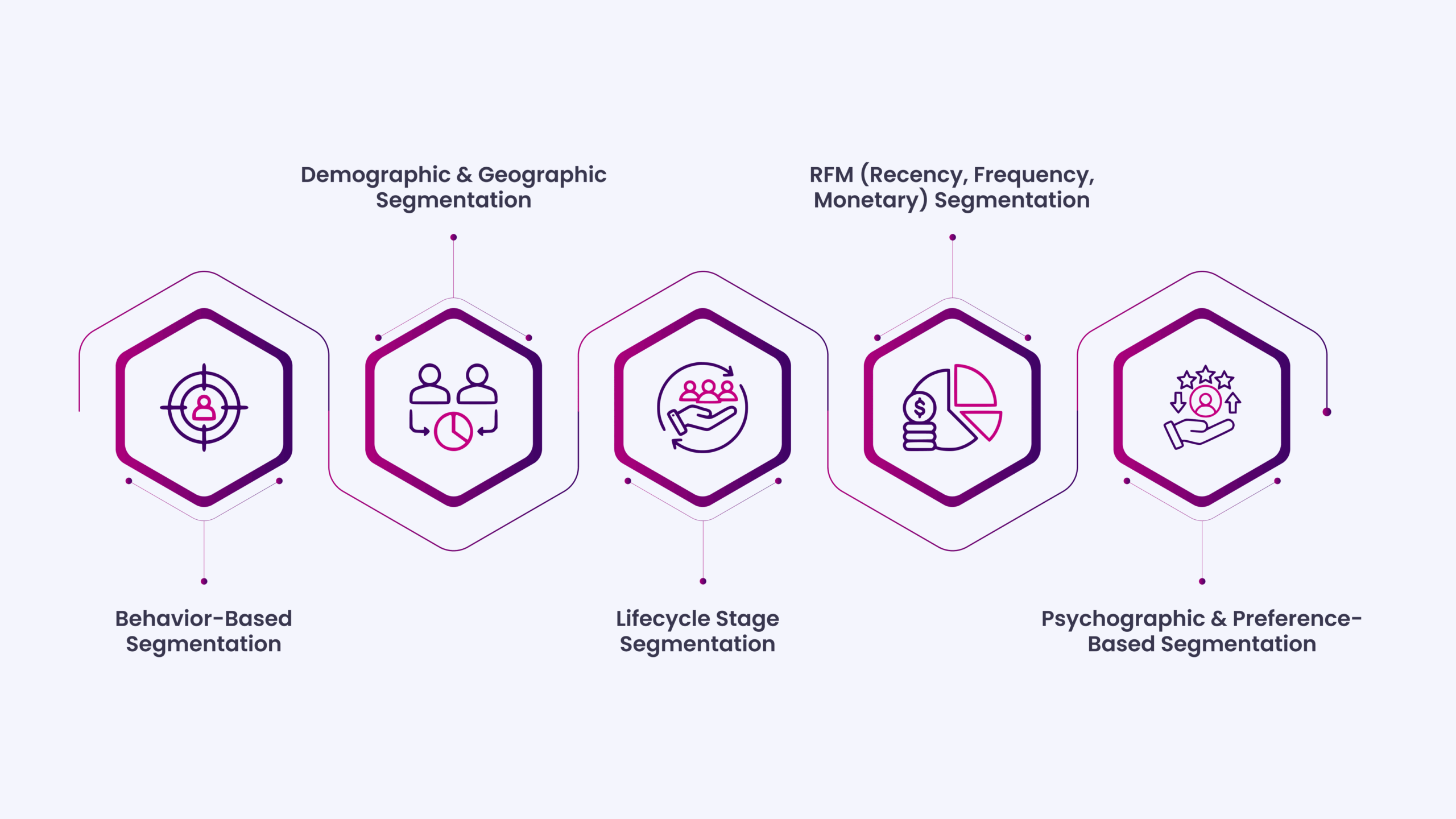
Below is a list of advanced segmentation strategies your business can implement to drive more personalized engagement, improve targeting accuracy, and maximize marketing ROI.
1. Behavior-Based Segmentation
Browsing History: Viewed Products or CategoriesYou can segment users based on what they’ve recently viewed on your website.
For example, if someone spends time browsing winter jackets or a specific product page, you can follow up with a reminder or a related product recommendation. These users have already shown interest, making them more likely to engage when you reach out with something relevant.
Abandoned Cart Behavior: Cart Size, Cart AgeNot all cart abandonments are the same. Someone who left behind a cart worth $200 may need a different message than someone with a $30 cart.
Similarly, the timing matters, if it’s been 1 hour vs. 3 days. Segmenting based on cart value and the duration of cart abandonment allows you to tailor the tone, urgency, or offer.
Purchase Frequency: One-Time vs. Returning CustomersFirst-time buyers may need more reassurance and introductory offers, while returning customers are already familiar with your brand.
You can create different SMS flows, such as product care tips for new users and VIP deals for loyal customers.
2. Demographic & Geographic Segmentation
Age, Gender, and Location-Based PromotionsIf you know a customer’s age or gender, you can craft more relevant offers. For instance, skincare products for men versus women, or back-to-school promotions targeting a specific age group.
Likewise, promoting winter gear to customers in colder climates and beachwear to those in warmer areas makes your messages more effective.
Localized Campaigns During Weather Events, Local Holidays, or Regional SalesTarget customers based on real-time local events. For example, send an umbrella promo during a rainy week or a local festival sale offer.
This kind of messaging feels timely and demonstrates that your brand is attentive to the customer’s environment.
3. Lifecycle Stage Segmentation
New Subscribers (Welcome Series)When someone joins your SMS list, they should get a proper welcome. A dedicated message or series introducing your brand, sharing top products, and offering a first-time discount helps build trust early on.
First-Time Customers vs. VIPsYou can treat customers differently based on the number of purchases they’ve made. First-time buyers may receive follow-ups to encourage repeat purchases, while VIPs can be rewarded with early access to sales, exclusive discounts, or loyalty perks.
Dormant or Churned Customers Customers who haven’t purchased in a while can be segmented for win-back campaigns. A simple message like “We miss you, here’s 15% off” can re-engage lapsed shoppers and bring them back into your funnel.
4. RFM (Recency, Frequency, Monetary) Segmentation
Identify Top Spenders, Recent Buyers, and Those Due for Re-Engagement RFM helps you break your customer base into meaningful groups:
- Recency: How recently they bought something.
- Frequency: How often they buy.
- Monetary: How much they spend.
For example, customers who frequently make purchases and spend a significant amount can be designated as VIPs. Those who used to buy often but haven’t in a while may need reactivation campaigns.
Use RFM Data to Assign Segments to Loyalty TiersYou can use these insights to create loyalty levels. Top-tier customers may receive exclusive offers, early product drops, or birthday gifts. Lower-tier customers may receive incentives to purchase more or increase their frequency.
5. Psychographic & Preference-Based Segmentation
Style, Interest, or Value Preference (Sustainability, Luxury, Deals)Not all customers care about the same things. Some are deal-hunters. Others look for eco-friendly products or luxury items. If you track preferences through behavior or tags, you can personalize your SMS messages to align with what customers care about.
Based on Quiz Results, Wishlists, or Review KeywordsIf your store offers product quizzes, collects wishlists, or uses review data, these can be used for segmentation. For example, a customer who selects “oily skin” in a skincare quiz can receive targeted product suggestions. Someone who leaves a review about fit can get alerts for restocks in similar styles.
Strategic Personalization Methods to Elevate Your Campaign ROI
Personalization is no longer optional; it’s expected. The following methods will help your business craft relevant, timely experiences that not only engage but also convert more effectively.
1. Dynamic Fields & Smart Text
Using dynamic fields allows you to insert personal details, such as the customer’s first name, city, or birthday, into your SMS message automatically. This makes the message feel more direct and familiar.
For example, instead of saying, “Thanks for your order,” you can say, “Thanks for your order, Priya! It’s on its way to your city.”
You can also personalize product recommendations using SKU tracking. If a customer recently looked at or bought something, you can use that data to suggest related items. This kind of smart messaging increases the chances of clicks and conversions because it feels tailored to the individual.
2. Trigger-Based Messaging
If someone browses a product but doesn’t add it to their cart, you can send a reminder SMS saying, “Still thinking about that hoodie? It’s still available.”
For products that run out over time, such as skincare, vitamins, or pet food, you can set reminders based on the average usage cycle. For example, “It’s time to restock your serum, order now and get 10% off.”
Once a customer makes a purchase, you can follow up with complementary product suggestions. For instance, “Thanks for buying the yoga mat! Would you like a matching water bottle?”
These messages are timely and relevant, which helps drive additional sales without being pushy.
3. AI-Powered Predictive Personalization
AI can analyze customer behavior to predict the best time to send messages, which product categories they’re likely to be interested in, and whether they respond better to discounts or product education.
For example, if a customer usually shops late at night, AI can adjust send times to match that habit.
For example, A/B testing one version with a formal tone and another with emojis and casual language can reveal what works better for your audience.
4. Custom Journeys by Customer Intent
You can create various SMS flows based on how customers interact with your messages.
For example, if someone replies “YES” to a sale invite, they can be added to a priority list for upcoming promotions. If they reply “STOP,” they should be automatically removed from promotional messages.
You can also segment based on survey responses or in-message quizzes. If someone selects “interested in eco-friendly products,” they can be moved into a green living segment and receive product updates that align with those values.
This approach enables you to speak to your customers based on their actual actions and preferences, rather than making assumptions about them.
Essential SMS Copywriting Tips for Personalization
Effective SMS marketing for e-commerce doesn’t just rely on the data; it also depends on how you write the message. Personalization in copywriting helps make each message feel human, relevant, and worth acting on.
1. Keep It Concise, Yet Warm And Personalized.
SMS has a character limit, so every word needs to count. Keep messages short and to the point, but still friendly. Use the customer’s first name or reference a recent activity (such as a product view or purchase) to make the message feel more personalized.
Example:
“Hi Ava! Your favorite cleanser is back in stock, grab it before it sells out again.”
Avoid robotic or overly formal language. It should feel like a helpful nudge, not a sales script.
2. Use Emojis, Urgency Triggers, and Clear CTAs
Emojis can add personality and make messages stand out, especially when they match the tone of your brand. Use them sparingly and only if they align with your audience.
Urgency triggers, such as “Today only,” “Almost gone,” or “Ends at midnight,” prompt users to act quickly without overexertion.
A clear call to action (CTA) is key. Don’t leave the customer guessing. Use direct phrases like:
- “Tap to shop.”
- “Claim your discount.”
- “Reply YES to join.”
Example:
“Only a few left, Jake! Your jacket is still in stock, order now: [link].”
Tools & Platforms to Enable Advanced SMS Marketing for E-commerce
To make SMS marketing for e-commerce more personalized and scalable, you need tools that can manage large datasets, automate workflows, and integrate smoothly with your existing tech stack. Here are some of the top platforms e-commerce brands rely on.
1. Postscript
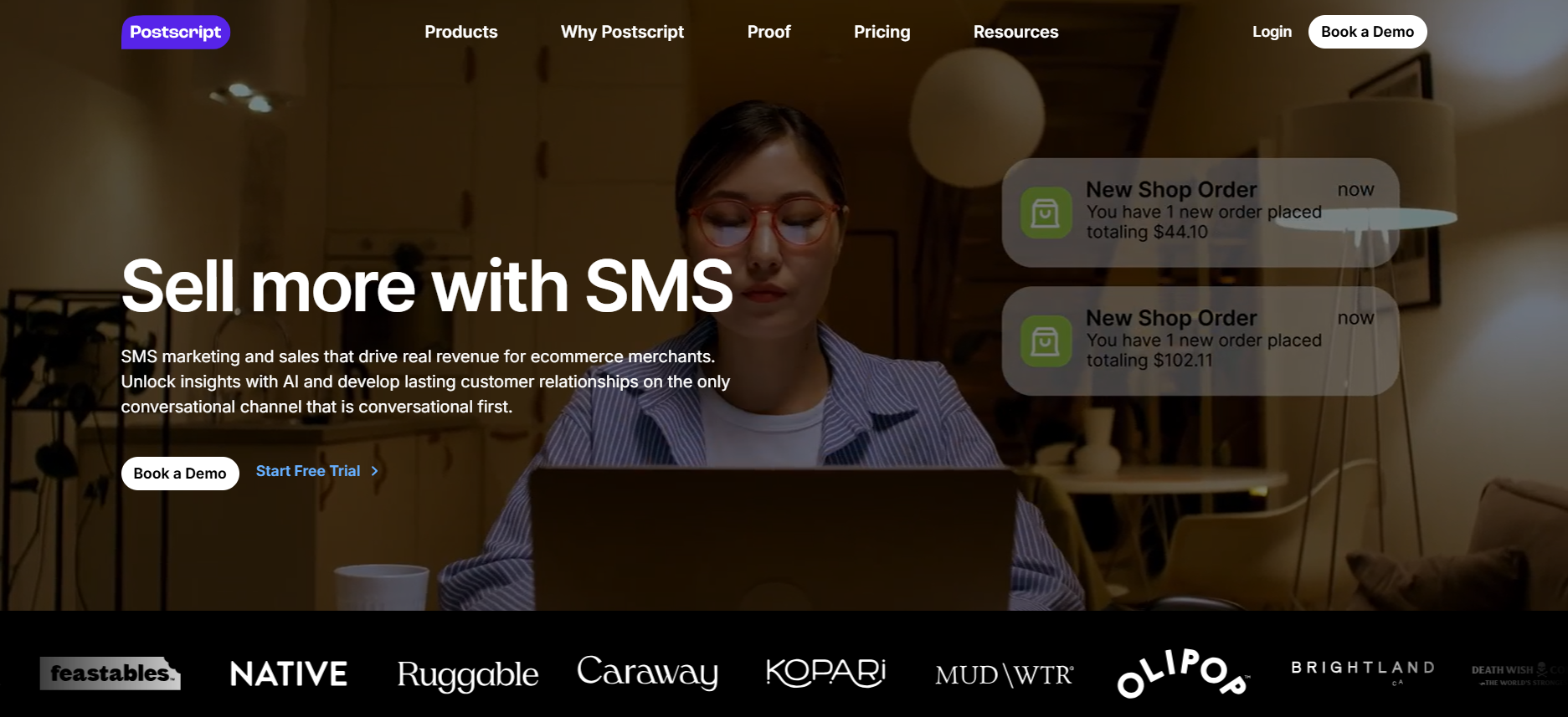
Built specifically for Shopify stores, Postscript offers advanced segmentation, automation, and compliance features. It allows you to send personalized messages based on browsing behavior, purchase history, and customer tags.
2. Attentive
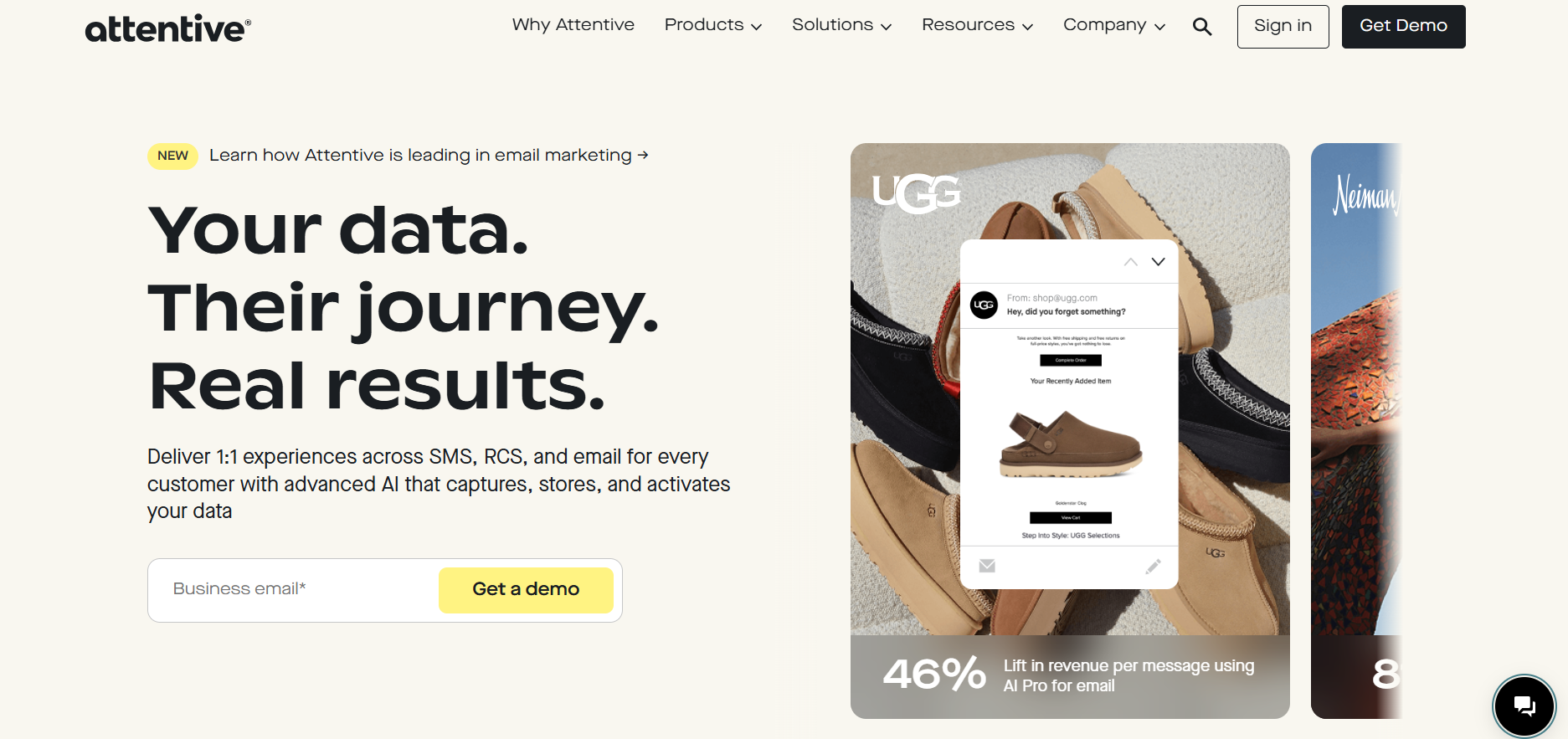
Known for its deep personalization capabilities, Attentive uses behavioral and demographic data to create dynamic SMS journeys. It also supports A/B testing and real-time analytics.
3. Klaviyo SMS
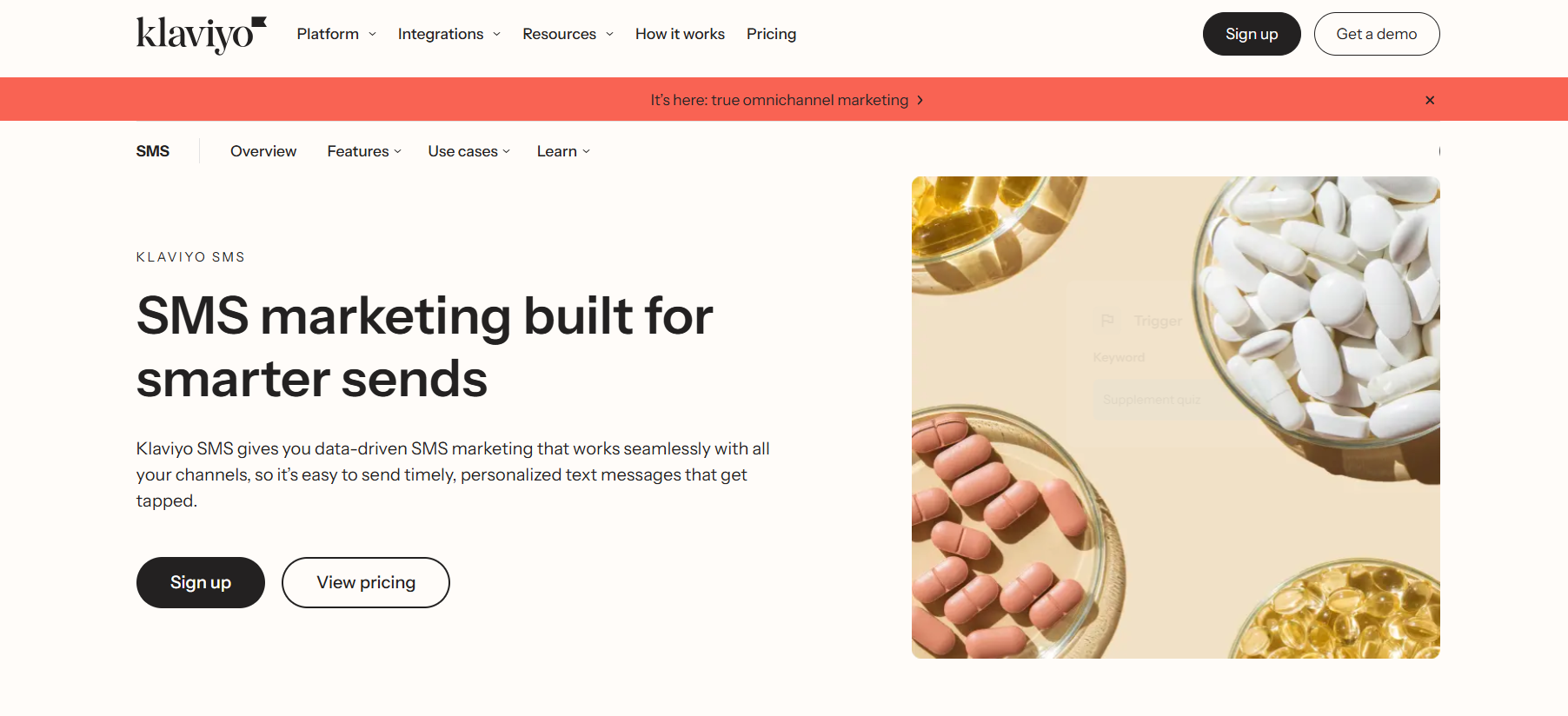
Klaviyo combines SMS with email marketing in one platform, making it easier to build omnichannel flows. You can use the same segments and customer data to send coordinated messages across both channels.
CRM and AI Integrations for Dynamic Segmentation
Most of these SMS platforms integrate with CRM systems, such as HubSpot, Salesforce, or Shopify’s native customer profiles. These connections enable you to access detailed customer data, such as lifetime value, past purchases, or support interactions, and utilize it to create highly targeted SMS campaigns.
AI integrations add another layer by helping predict the best send time for each user, recommending products based on real-time activity, and auto-generating content variations for testing.
With these tools, personalization moves beyond inserting a first name; it becomes intelligent, timely, and action-driven.
Grow Faster and Smarter with INSIDEA’s Digital Marketing Subscription

At INSIDEA, we deliver powerful digital marketing strategies that elevate your brand’s presence, attract the right audience, and drive measurable growth. Our expert team is dedicated to creating top-tier marketing solutions to meet your unique business needs. With in-depth industry knowledge, we craft customized strategies that align perfectly with your goals, all within our all-in-one digital marketing subscription.
Our comprehensive subscription includes everything you need to succeed in the digital space.
From Search Engine Optimization (SEO) that boosts your search rankings and drives organic traffic to WordPress Management, ensuring your website is visually appealing, highly functional, and optimized for conversions.
Our content marketing services establish your authority with engaging, insightful content. Social media marketing builds your presence across platforms with interactive and authentic strategies. Our email marketing solutions connect directly with your audience, driving engagement and conversions.
With INSIDEA’s all-in-one subscription, you can access these services seamlessly, supported by our dedicated digital marketing experts committed to delivering measurable results for your business.
Book a meeting with our experts to explore how we can support your business goals.



 How INSIDEA works