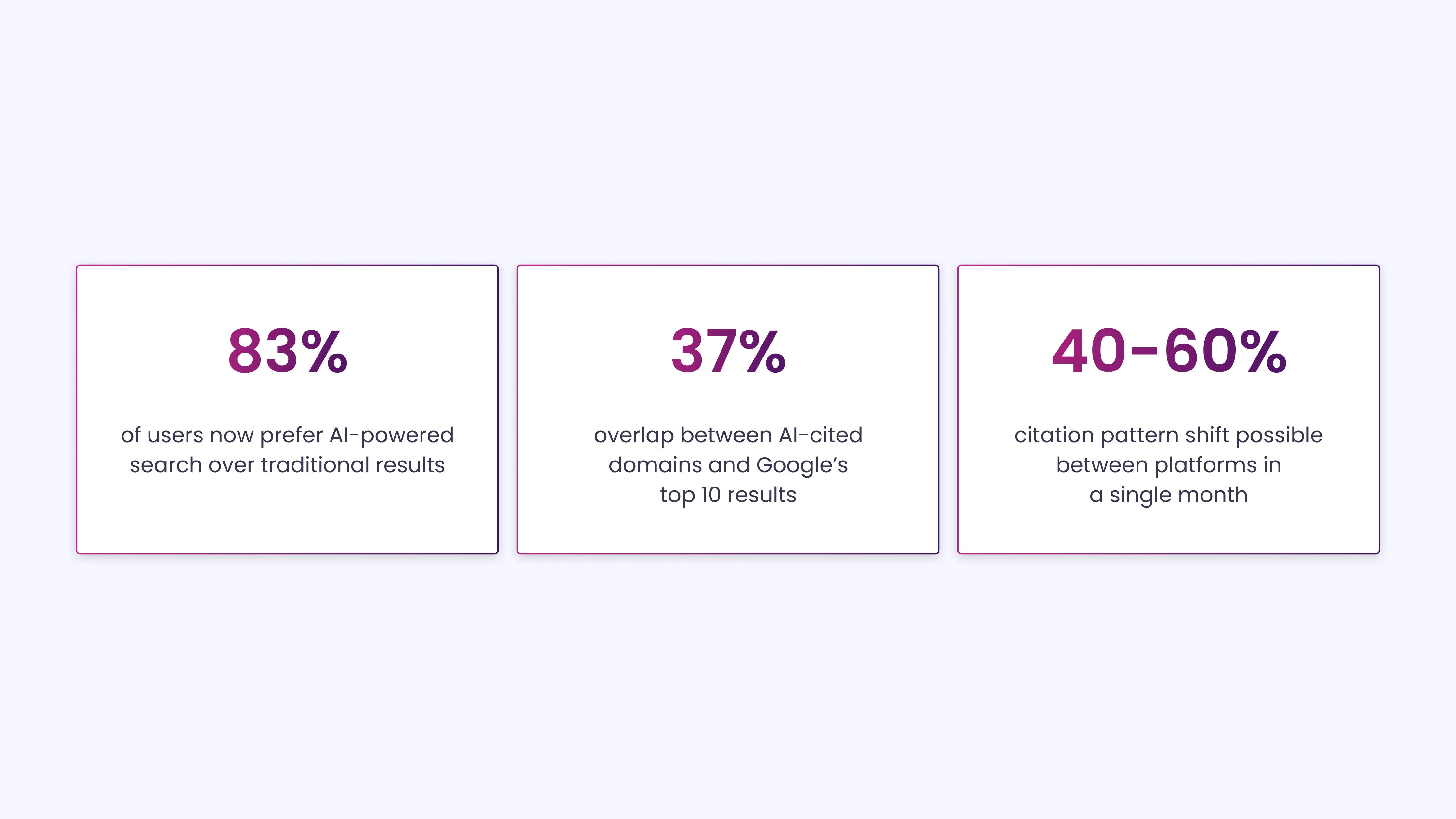
Google rankings no longer guarantee that your audience sees your content. Buyers now turn to ChatGPT,Perplexity,Gemini,Claude, and Grok for answers and recommendations. If AI-generated responses don’t cite your brand or content, you lose visibility in the channels where people are actively making decisions.AI-driven search now attracts nearly 83%of users, yet only 38%of cited pages appear in the top-10 search results for the same query. Citation patterns can shift by 40-60%between platforms in a single month.
AI citation tracking tools reveal where AI systems reference your content, identify the sources driving those mentions, and show where competitors are gaining attention.
This blog reviews the top 10 tools that provide precise, actionable insights to track and maintain visibility in AI-generated answers.
Do You Still Think Regular SEO Covers Everything?Ranking in Google is only part of the story. Even with strong SEO metrics, your content might not appear in AI-generated answers. AI citation tracking fills that gap by showing where your content is cited, which competitors are being favored, and which pages drive visibility across AI engines. This blog will help you discover the tools and strategies to measure it accurately. Read on to see how. |
What AI Citation Tracking Tools Do?
| Quick note on terminology
A citation = your URL appears as a linked source in the AI’s answer. A mention = your brand name appears in the text without a source link. Both matter, but citations drive actual referral traffic and carry more authority signals. |
AI citation tracking tools simulate the questions your audience types into ChatGPT, Perplexity, or similar platforms and record which URLs and brands appear in the generated answers. They repeat this process over time, yielding trends and patterns rather than a single snapshot.
The most advanced tools go a step further. They show where competitors are being cited that you aren’t, highlight which pages on your site are referenced most often, and indicate whether the AI mentions your brand positively or negatively.
| Worth knowing Between 78% and 90% of AI-generated citations don’t fully support the claims attached to them. Tracking volume matters, but tracking accuracy matters just as much. |
How We Evaluated These AI Citation Tools
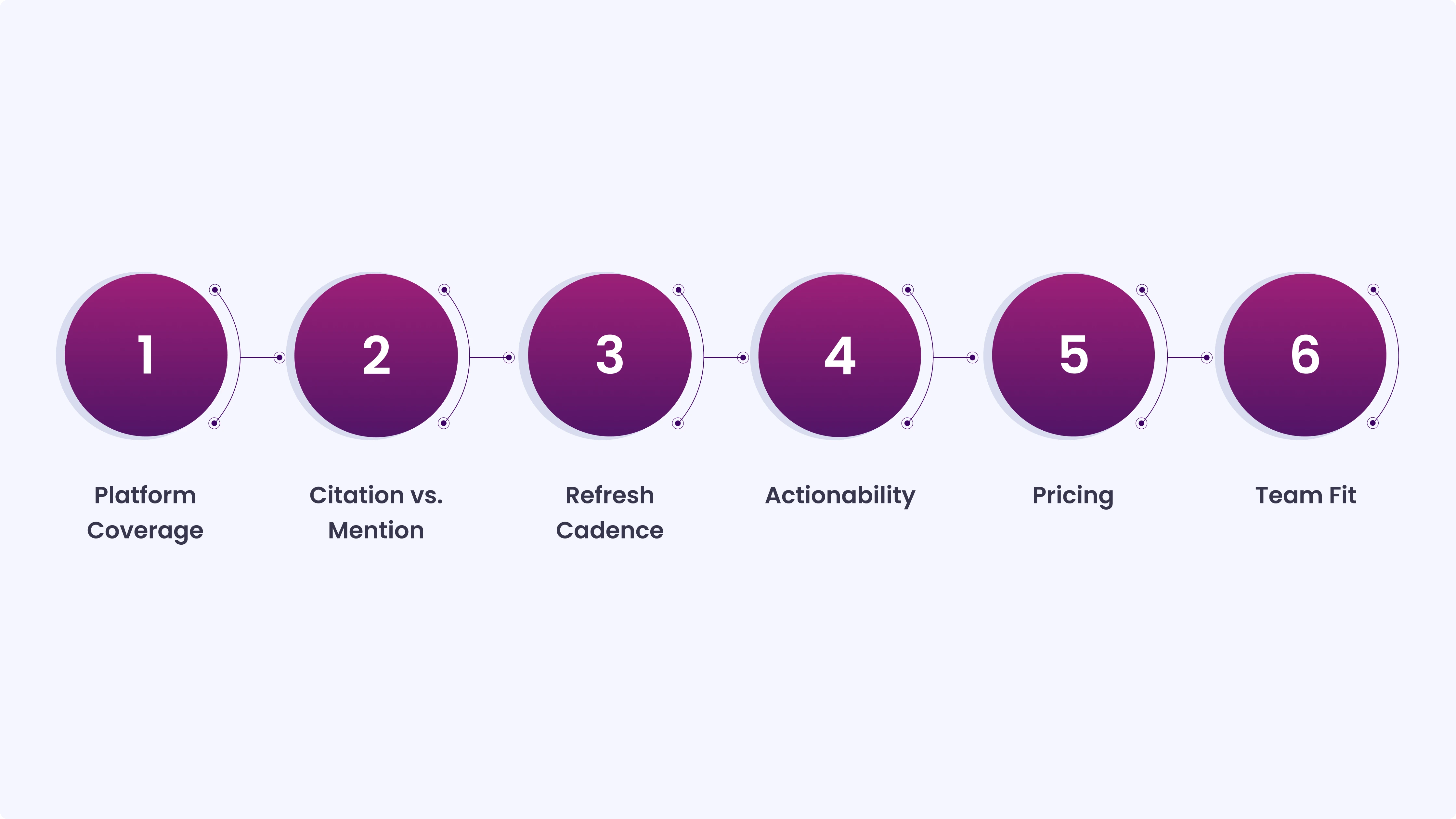
We assessed each tool against the factors that matter most for tracking AI citations accurately and efficiently:
- Platform Coverage:We checked whether the tool tracks multiple AI platforms, such as ChatGPT,Perplexity,Gemini,Google AI Overviews, or only a few. Broader coverage gives a clearer picture of where your content appears.
- Citation vs. Mention:A mention is just your brand name. A citation points to your URL. Tools that mix the two can create misleading insights.
- Refresh Cadence:How often the tool updates matters. Daily updates catch rapid shifts in citation patterns, while weekly updates can leave gaps.
- Actionability:Identifying gaps is only part of the job. We looked at whether the tool helps you act on those gaps or simply reports them.
- Pricing:We considered the full cost, including add-ons, seat fees, and geographic surcharges, to show what you’ll actually pay.
- Team Fit:The ideal tool varies by team. Solo marketers need simplicity, while enterprise compliance or SEO teams require more robust features.
2026’s Leading AI Citation Tools You Need to Know
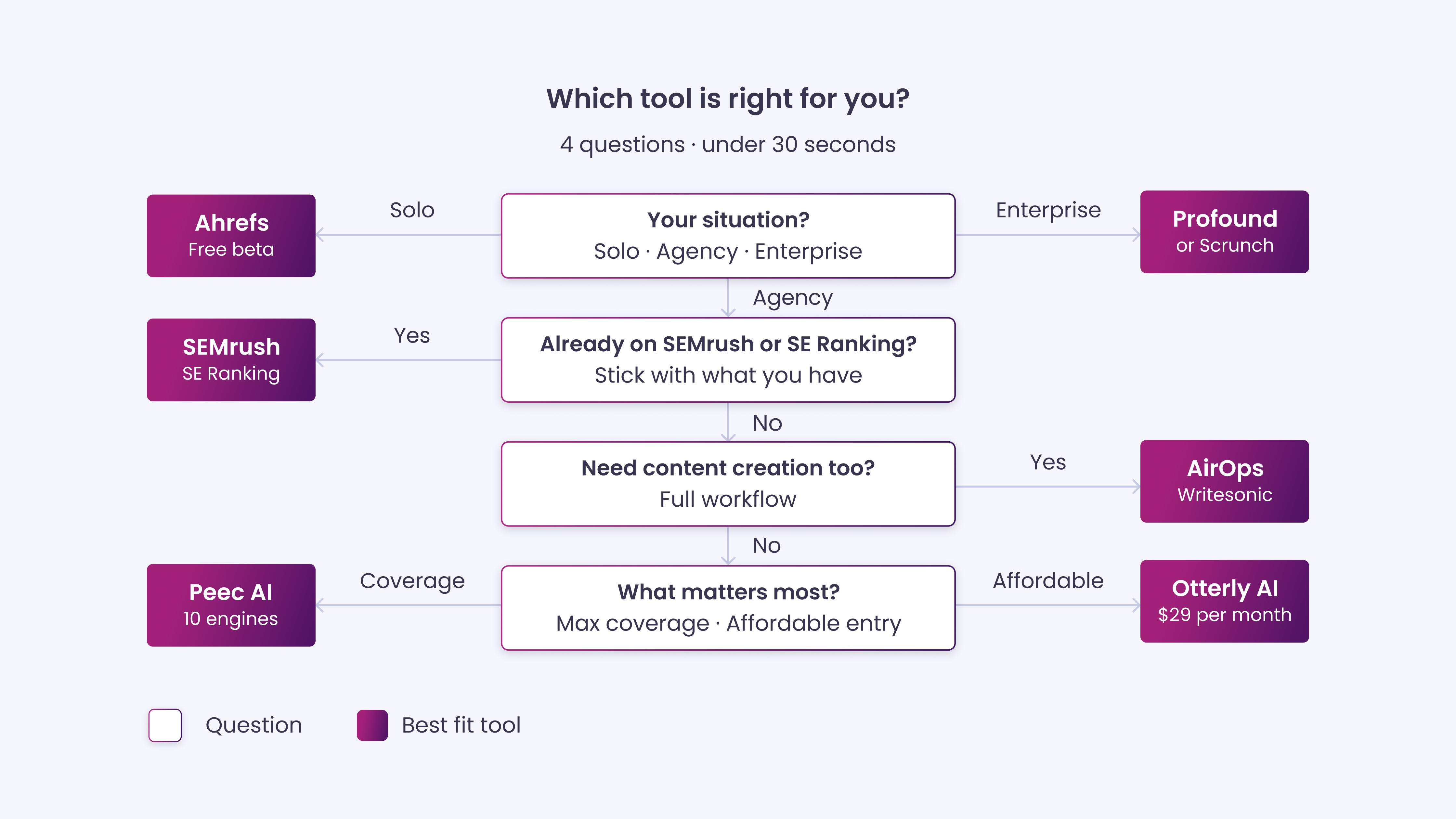
Before you scroll through the top 10 tools, spend 30 seconds here. This flowchart tells you exactly which tool fits your situation. Answer four quick questions below and find the one that matches your team, your budget, and how you work.
We’ve included most of the versatile options here, while the full list covers all ten tools.
Let’s get started!
1. Profound
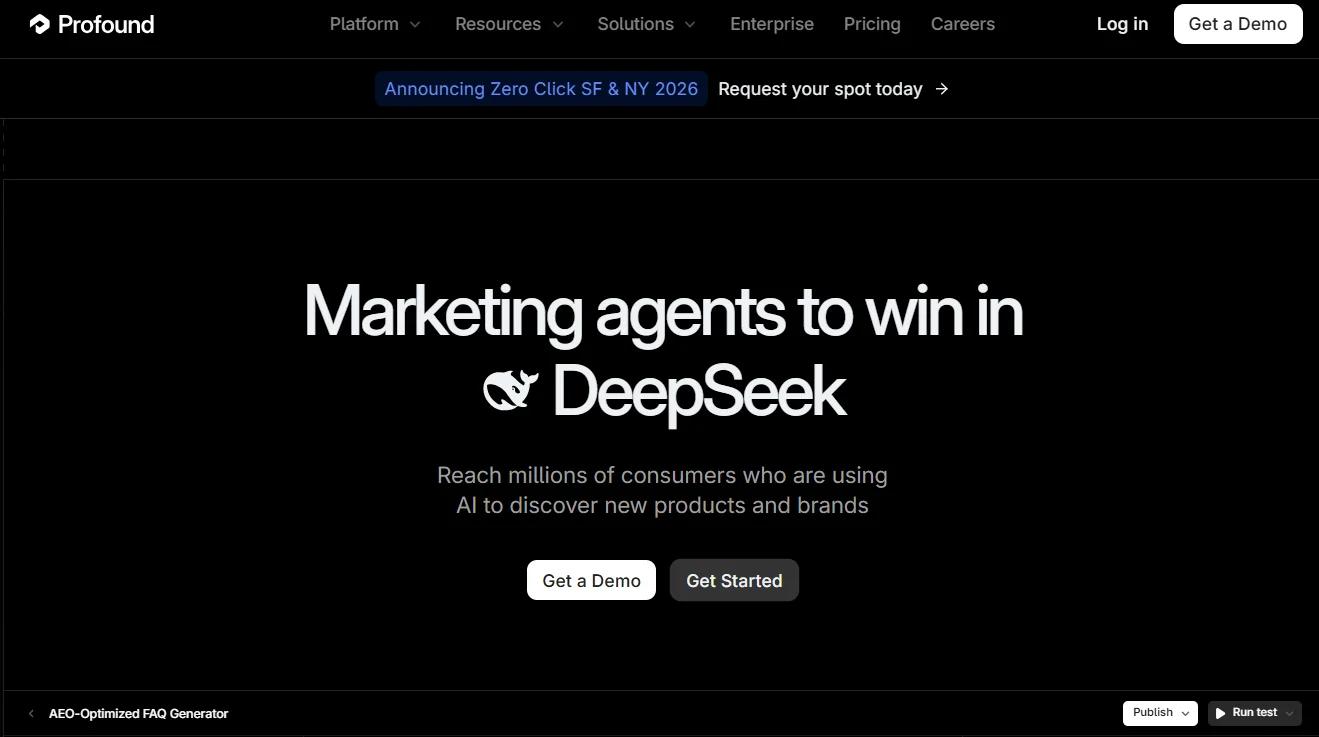
Pricing:From $99/month · No free tier · Demo-based onboardingBest for:Large enterprise teams that need deep competitive intelligence, compliance-grade security, and cross-engine data at scale Profound is the G2 Winter 2026 AEO Leader and processes over 5 million citations daily. Its “Conversation Explorer” surfaces dark query data, the actual topics AI users are discussing in your category.
The platform tracks citation patterns across ChatGPT, Google AI Overviews, and Perplexity, showing materially different behaviors on each (Wikipedia leads ChatGPT at 7.8% citation share, while Reddit leads Perplexity at 6.6%). Profound is SOC 2 Type II certified and includes SSO and enterprise reporting.
Pros
|
Cons
|
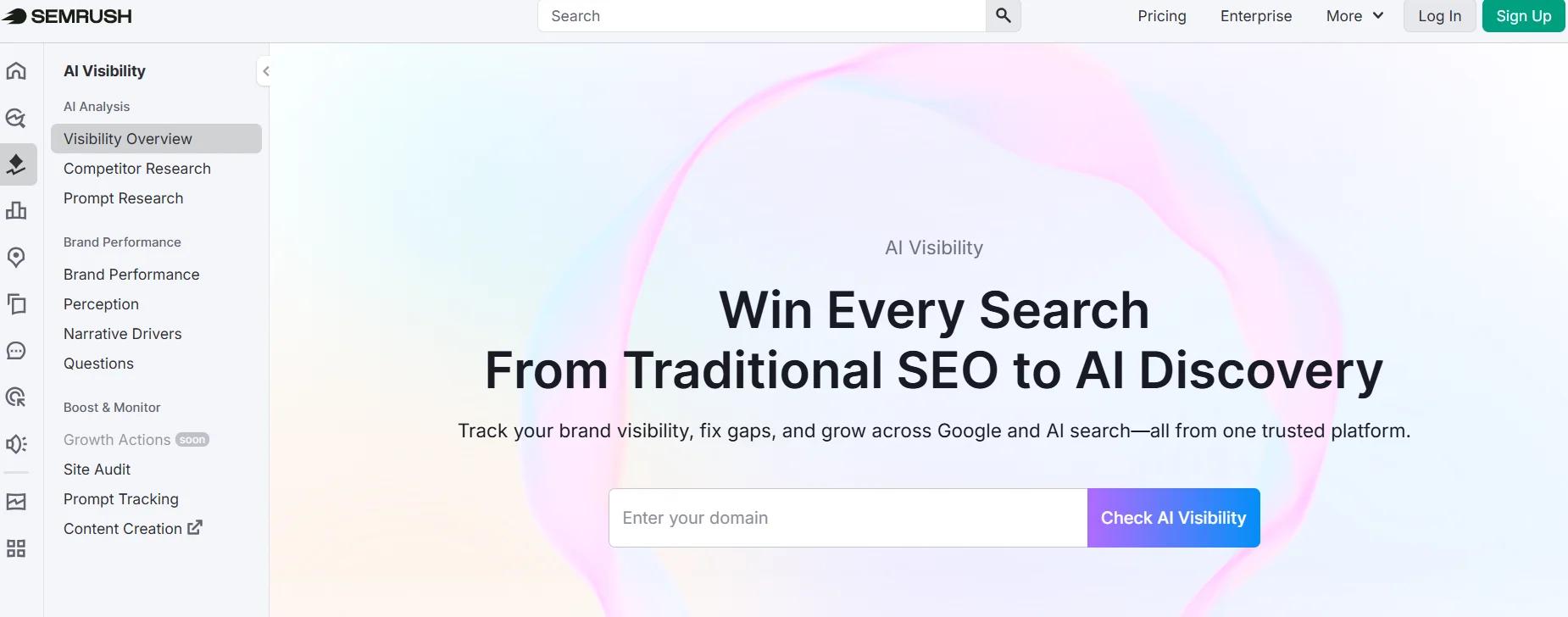
2. SEMrush AI Visibility Toolkit
Pricing:Base from ~$139.95/month · AI Toolkit add-on ~$99/month per domain
Best for:Agencies and in-house teams already using SEMrush who want AI visibility layered into their existing workflow without adding a separate tool
SEMrush tracks over 100 million prompts across ChatGPT, Google AI Mode, Perplexity, and AI Overviews across six major regions. Its “Citation Gap” view, showing where you rank on Google but are invisible to AI, is useful for content prioritization.
The multitargeting feature lets you run the same keyword across Google and ChatGPT side by side. Sentiment scatter plots and intent distribution graphs make it easy to present AI citation data to non-technical stakeholders.
Pros
|
Cons
|
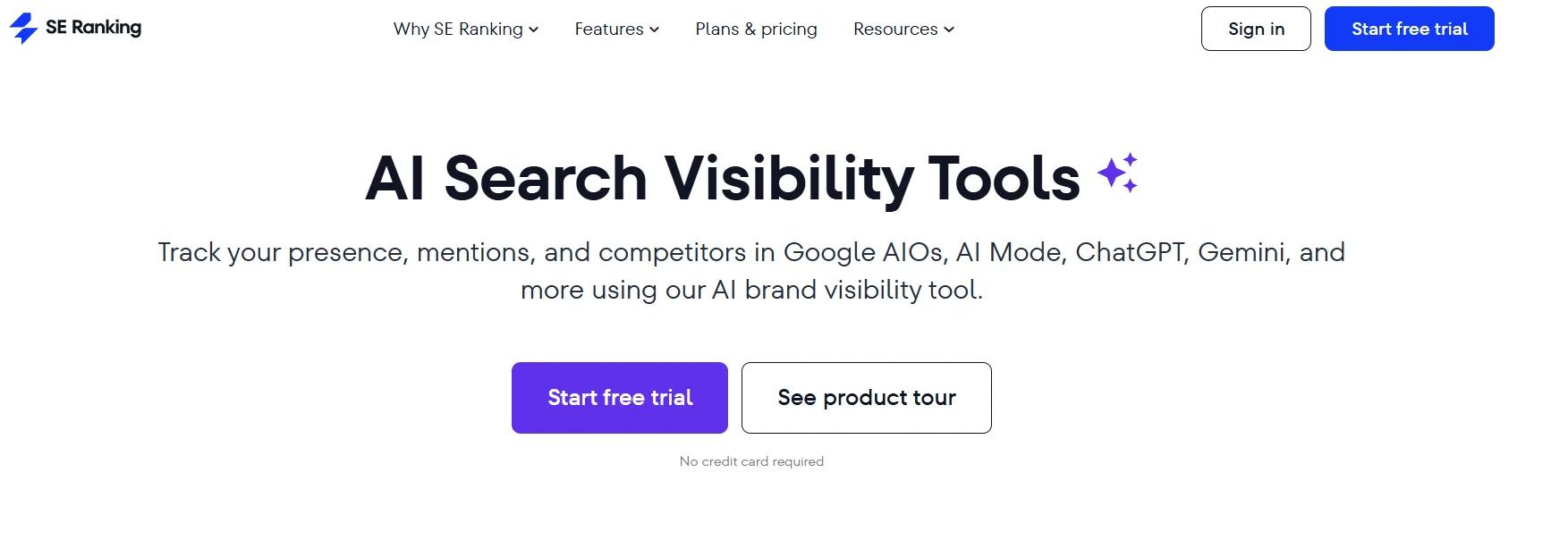
3. SE Ranking (SE Visible)
Pricing:From ~$95.20/month (AI tracking included in Pro plan)
Best for:Budget-conscious agencies and SMBs that want traditional SEO + AI citation tracking in one place, without paying add-on fees
SE Ranking’s AI Results Tracker monitors brand mentions and linked citations across Google AI Overviews, Google AI Mode, ChatGPT, Gemini, and Perplexity. Its “No cited” feature flags prompts where competitors appear, but you don’t.
Daily updates and 188-country coverage make it one of the most geographically complete options at this price point.
Pros
|
Cons
|
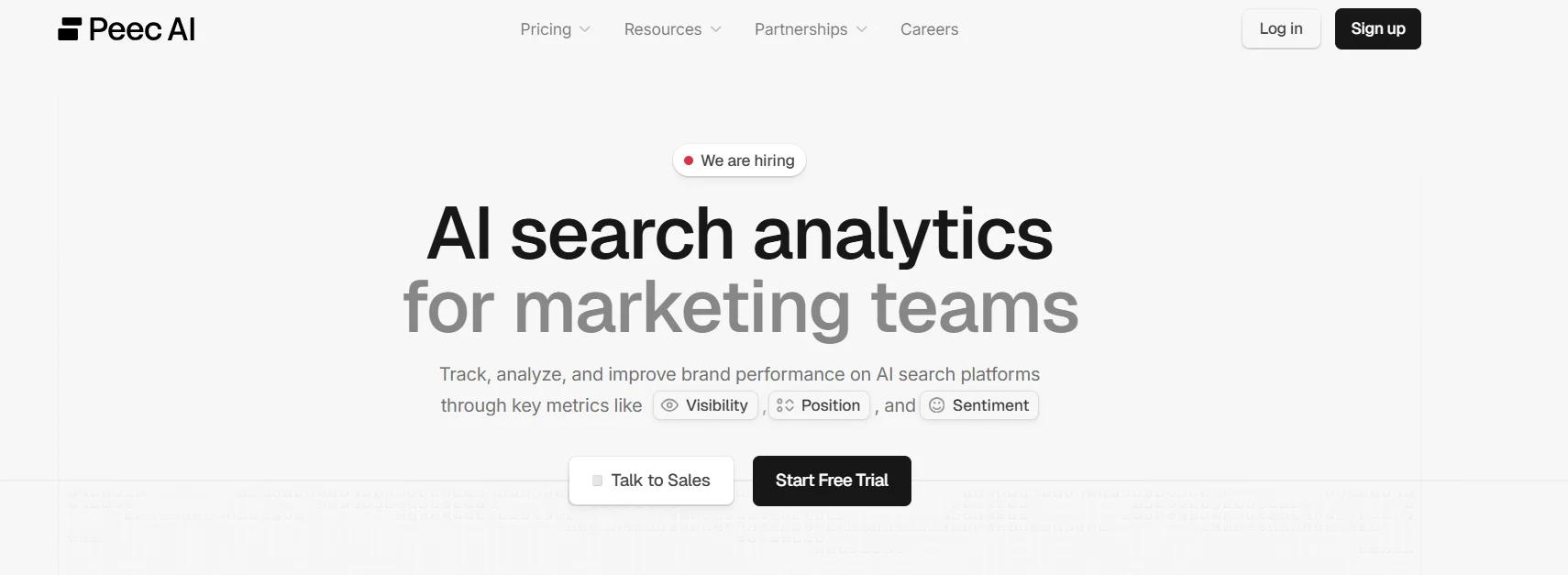
4. Peec AI
Pricing:Starter €89/month · Pro €199/month · Enterprise €499+/month · 7-day free trial
Best for:Marketing and SEO teams that want clean, focused AI visibility analytics across the broadest range of LLMs, without content workflow bloat
Peec AI tracks brand visibility across ten AI engines: ChatGPT, Perplexity, Gemini, Microsoft Copilot, Google AI Mode, AI Overviews, Claude, Grok, DeepSeek, and Llama. Launched in 2025, it raised €7M within five months and reached roughly €650K ARR in four months.
Unlimited seats on all plans make it attractive for growing teams. Looker Studio integration allows agencies to combine AI visibility with SEO and GA4 data.
Pros
|
Cons
|
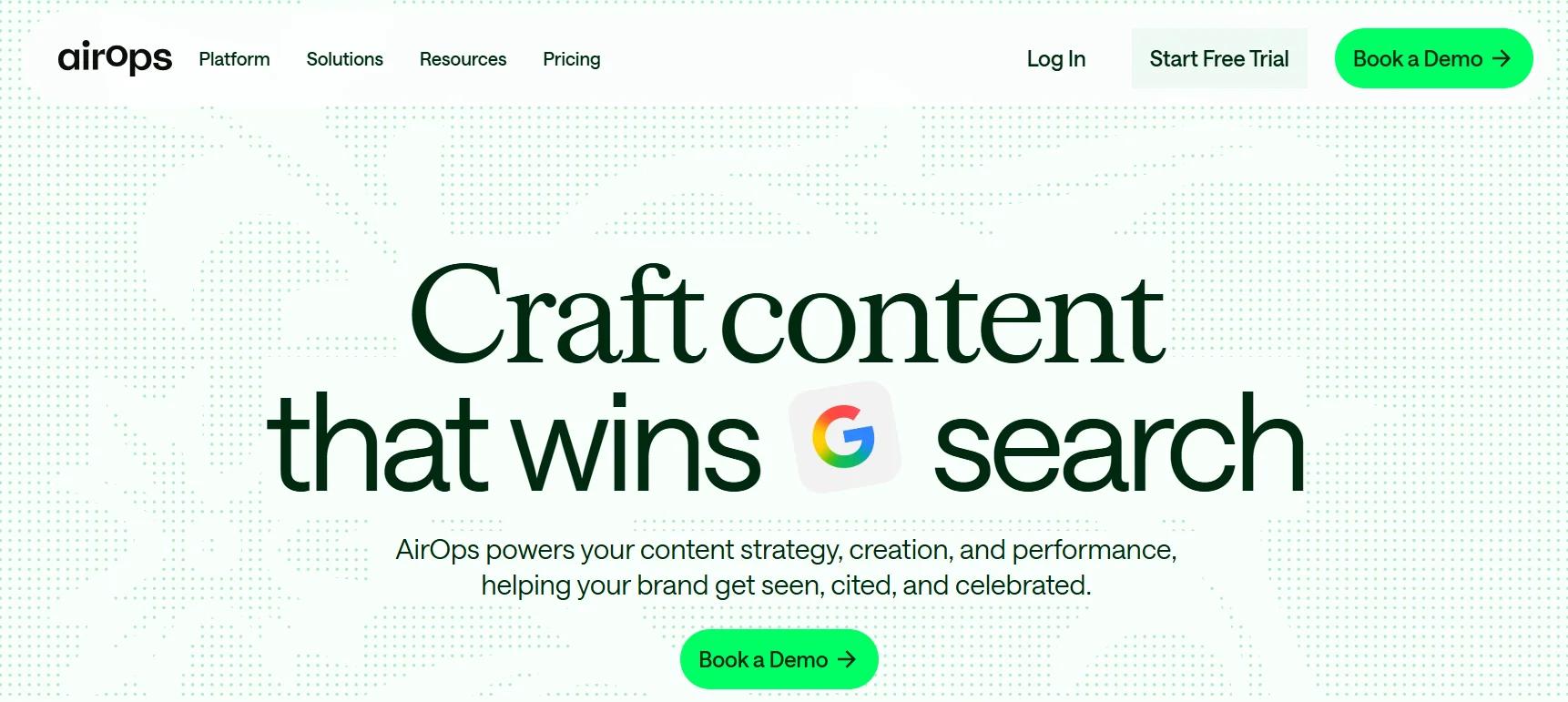
5. AirOps
Pricing:Pro from ~$2,000/month · Raised $40M Series B
Best for:Content operations teams that want to both track AI citations and build/publish content to improve them, all inside one platform
AirOps combines AI search visibility tracking across ChatGPT, Gemini, Perplexity, Google AI Overviews, and Google AI Mode with a full content workflow automation layer.
Visual workflow builder, CMS publishing to 7+ platforms, and automatic project management sync set it apart from pure-monitoring tools. Case studies report 5× faster content refreshes and 20× traffic growth for teams using it well.
Pros
|
Cons
|
6. Otterly AI
Pricing:Lite $29/month · Standard $189/month · Premium $489/month · 14-day free trial
Best for:Digital marketing agencies managing multiple client brands who need a clean multi-brand dashboard with automated citation monitoring
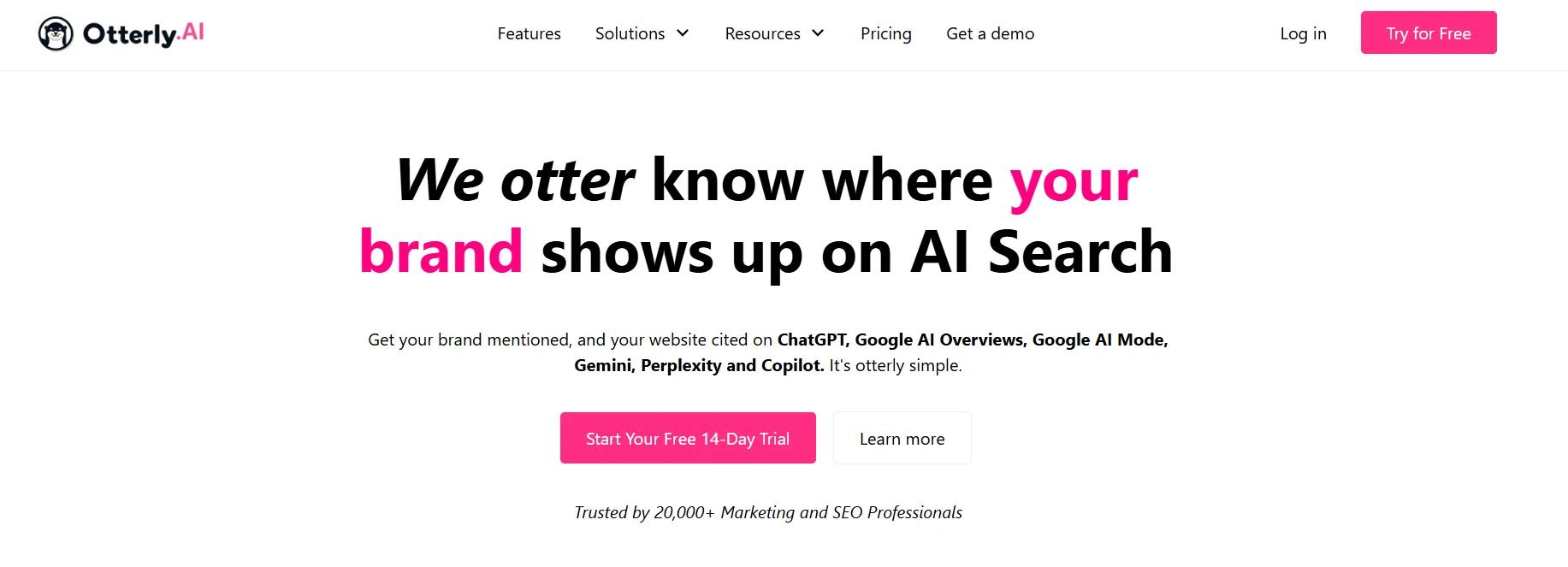
Otterly AI monitors ChatGPT, Perplexity, Google AI Overviews, AI Mode, Gemini, and Copilot. Users report up to 80% time savings on manual citation checks.
Its Brand Visibility Index provides a single KPI for overall AI presence. The GEO Audit tool integrates directly with the SEMrush App Center.
Pros
|
Cons
|
7. Quolity AI
Pricing:Early access, waitlist pricing
Best for:Marketing teams and agencies that want a platform built from scratch for AEO, not an SEO tool with AI features bolted on
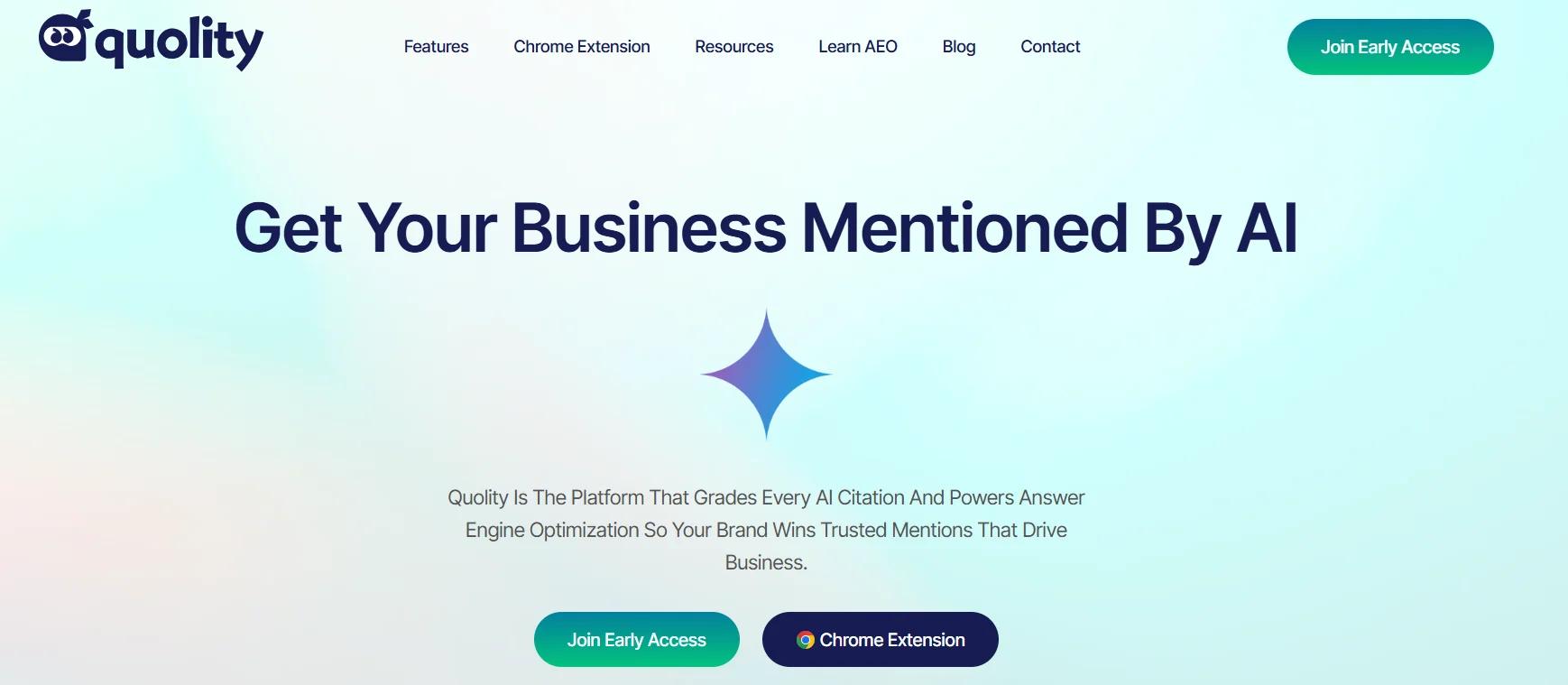
Quolity AI was built from the ground up for Answer Engine Optimization. Key features include a share-of-voice calculation for AI, platform-by-platform visibility tracking, trend tracking, competitive benchmarking, and automated testing of prompt libraries.
It is one of the few tools that compare favorably with Profound in depth of AEO-specific metrics.
Pros
|
Cons
|
8. Ahrefs Brand Radar
Pricing:Free during beta (all plans $129+/month) · Paid add-on after beta at ~$699/month
Best for:Existing Ahrefs users who want early AI visibility data layered into their backlink and SEO workflow before fully committing to a dedicated tool
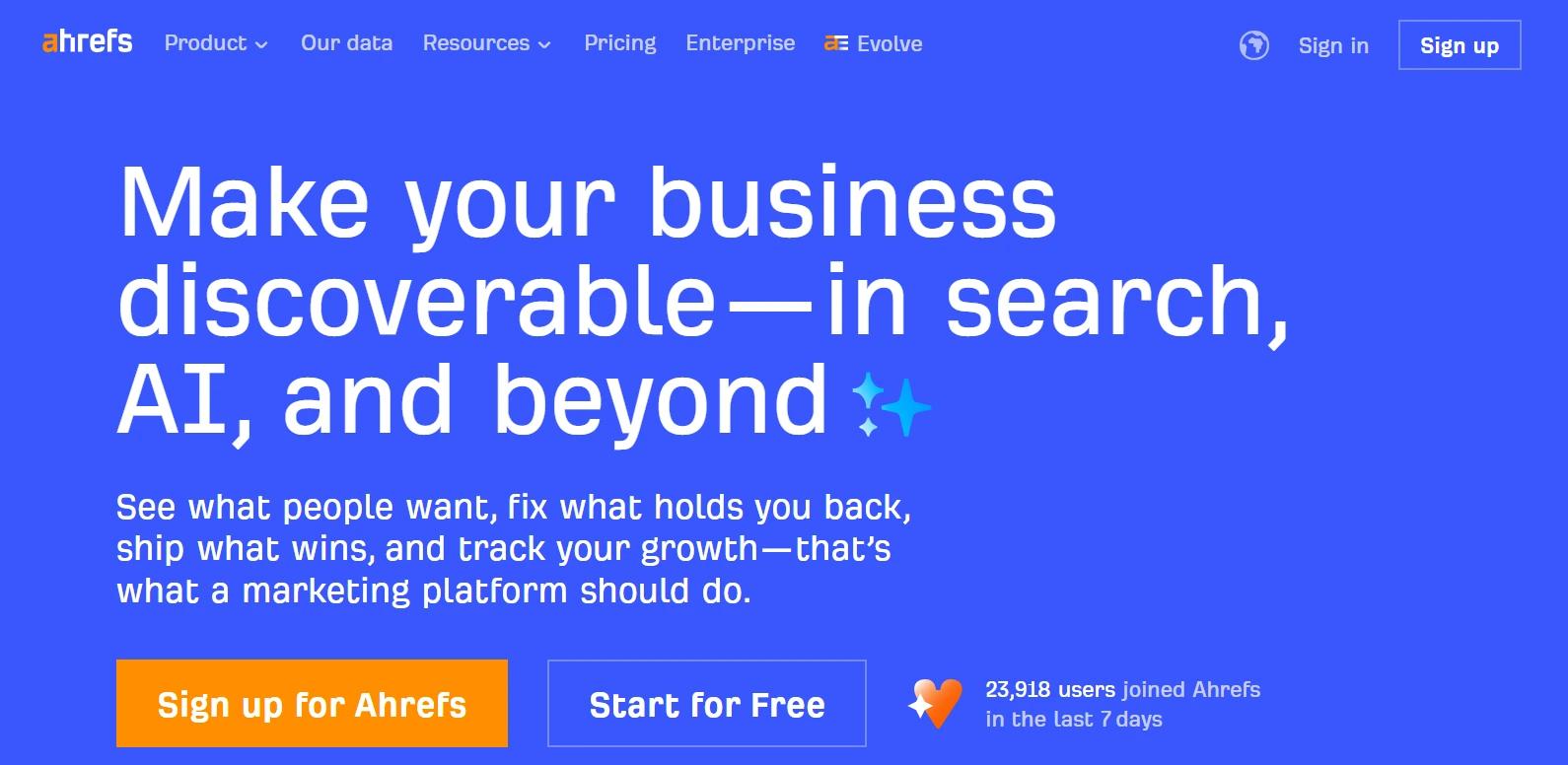
Ahrefs Brand Radar tracks AI brand mentions across ChatGPT, Google AI Overviews, and Perplexity. It shows which prompts your brand is cited in each month via reverse-lookup.
Integrates directly into Site Explorer for combined AI and SEO metrics. UI refinement and sampling limitations exist, but currently free in beta.
Pros
|
Cons
|
9. Writesonic GEO
Pricing:Plans vary · Near real-time tracking refresh
Best for:Growth-stage marketing teams that want both AI citation monitoring and a content creation layer to act on the gaps in one subscription
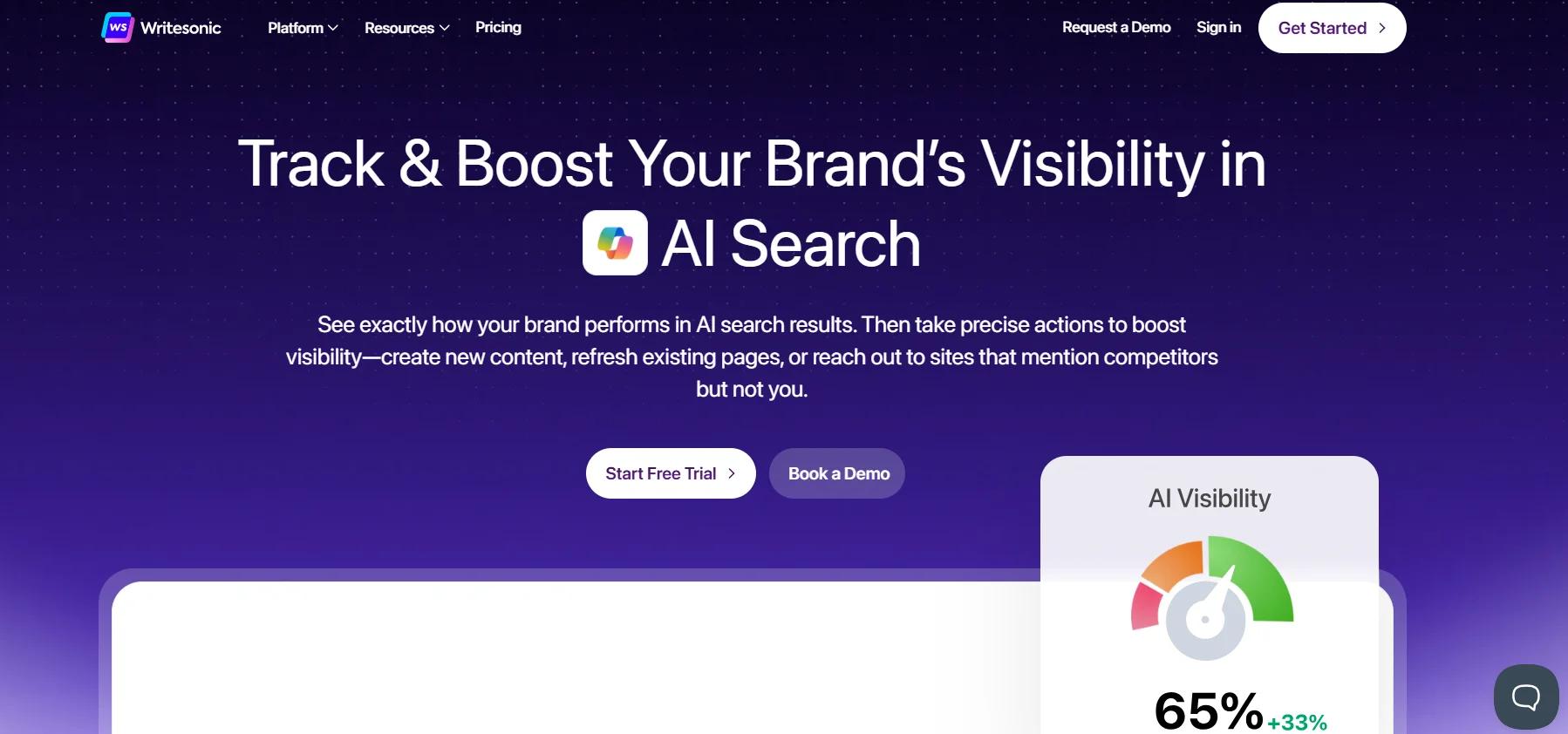
Writesonic GEO tracks brand mentions across ChatGPT, Gemini, Claude, and Perplexity, with an Action Center turning visibility gaps into step-by-step content workflows.
Built-in AI writer optimizes articles to improve LLM citation rates with automatic indexing via IndexNow.
Pros
|
Cons
|
10. Scrunch AI
Pricing:Enterprise pricing · Contact for quote · SOC 2 Type II certified
Best for:Enterprise teams in regulated industries that need compliance-grade AI visibility tracking with prompt analysis across multiple LLMs
Scrunch AI’s Agent Experience Platform (AXP) tracks brand appearances across LLMs and AI answer engines with detailed prompt analysis. SOC 2 Type II certified with SSO, multi-country/multi-language support. Data refreshes every three days.
Pros
|
Cons
|
Take Control of Your AI Visibility
AI citation tracking is how brands get seen where decisions are actually being made. The tools above meet every need, including budget-conscious options like Ahrefs and enterprise platforms that process millions of citations daily.
Don’t fall into the trap of chasing volume alone. A brand that appears often but is framed negatively or cited for the wrong product gains nothing. Accuracy, sentiment, and context are just as important as frequency.
| Tip: Pick a tool that fits your budget, test 10–20 prompts your audience uses, and expand gradually. Brands that act now are leaving competitors behind; visibility in AI answers is the new advantage. |
INSIDEA
Ready to get found by people and AI?
Search and answer-engine visibility that compounds, built to be cited.

 How INSIDEA works