They say leads will fix everything. More leads, more salessimple math, right? Except the math isn’t mathing. The leads are coming in, but conversions are flat. You’ve got the numbers, but the deals aren’t closing.
43% of qualified leads are mishandledignored, delayed, or lost in the shuffle. It’s not a traffic problem. It’s a traction problem. And no, it’s not because buyers aren’t interested. The car dealership marketing plan behind it all is either missing or stitched together with hope and half-measures.
Generating leads is easy. But converting them takes something real, structured, grounded, and built to move people from browsing to making confident decisions.
Everything starts with a solid plan that brings people to your site and brings them closer to buying. Don’t expect your lead list to save you if that plan is missing.
This blog is all about that. A hands-on car dealership marketing plan, built for dealers who are done watching sales fall through the cracksand ready to start closing more deals
Why Do Most Car Dealership Marketing Plans Fail?
A lot of money goes into marketing. But the results are often underwhelming.
Even with big budgets, strong intent, and non-stop promotions, most dealerships struggle to turn leads into actual buyers.
You might be getting a stream of inquiries, but most go nowherecold leads, poor follow-ups, and barely any conversions.
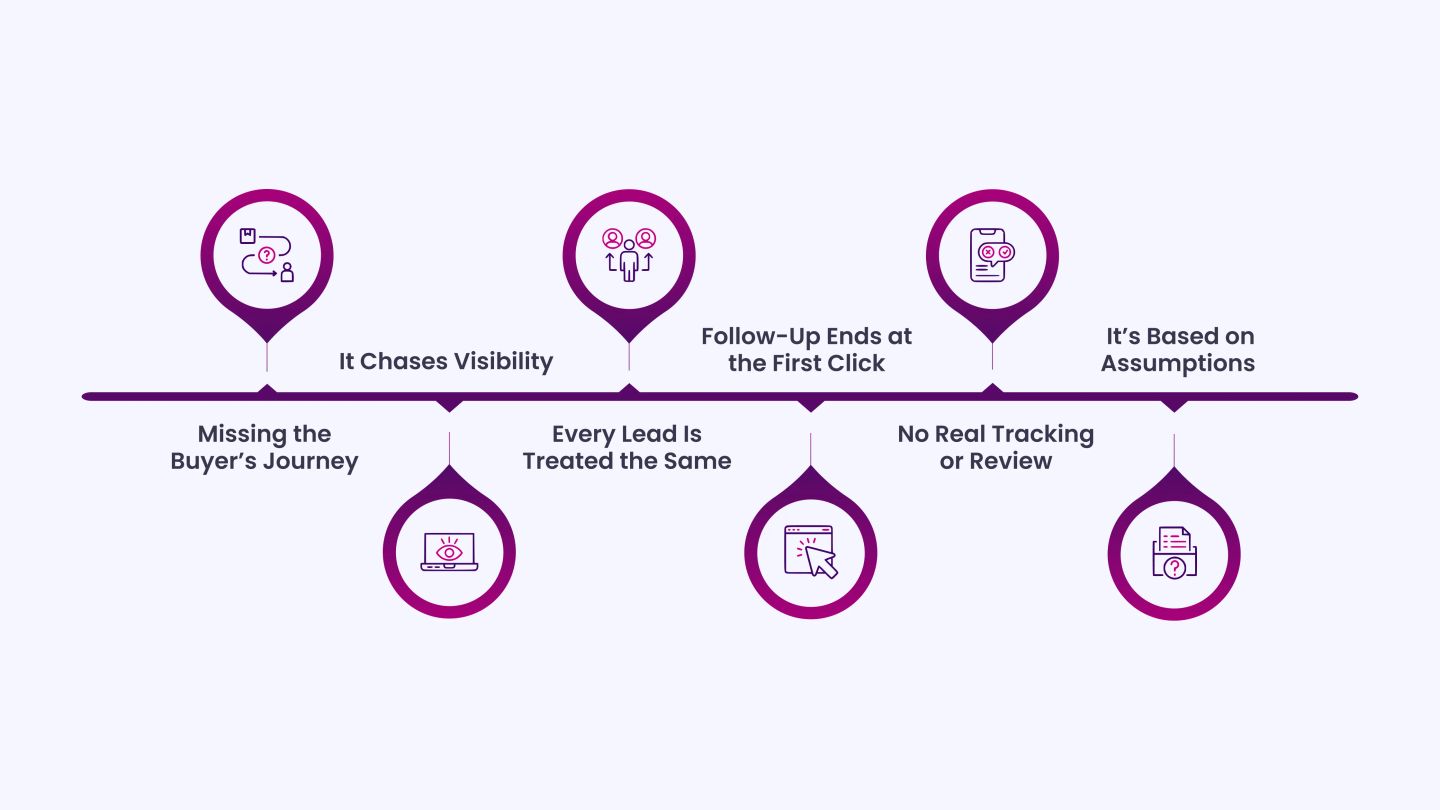
So here’s where most car dealership marketing plans start to fall apart:
- Missing the Buyer’s Journey: Nearly all buyers begin onlinescrolling listings, checking reviews, and comparing prices. If the marketing doesn’t support this journey, it ends before it starts. The plan should meet the buyer where they are, not where the dealership wishes they were.
- It Chases Visibility: There’s often a rush to get noticedsponsored posts, ad blasts, billboards. But being seen doesn’t equal being chosen. That attention doesn’t go anywhere without a follow-up process, proper lead handling, and real intent signals. A plan without structure won’t move people closer to the sale.
- Every Lead Is Treated the Same: Some leads are ready to buy. Others are just browsing. But in many dealerships, there’s no system to tell the difference. When every lead gets the same responseor worse, no responseopportunities are missed, and time gets wasted.
- Follow-Up Ends at the First Click: Most efforts stop at getting someone to visit the site or submit a form. Then, it goes quiet. No personalized communication, retargeting, or value is offered beyond that first touch. That silence is where most potential buyers lose interest.
- No Real Tracking or Review: Nothing improves without looking at what’s working and what’s draining the budget. Many campaigns run month after month with the same spending and results because no one is checking closely.
- It’s Based on Assumptions: Sometimes the marketing plan is just a mix of random tacticssomething that worked for someone else, something a rep pitched, or whatever feels urgent this month. But without a clear structure tied to actual goals, it becomes guesswork.
Car Dealership Marketing Plan: A Step-by-Step Guide
Let’s systematically explore these foolproof strategies for a car dealership marketing plan. These aren’t just tactics to pull in leads that go cold the moment you follow up.
The goal here is simple: bring in serious buyers, turn them into paying customers, and build trust that keeps them returning.
Every part of this plan is meant to work in the real context of how people shop, decide, and buy today.
All right, let’s explore these points one by one:
I. Define Your Target Audience and Understand Buying Intent
Before spending a single dollar on ads, the first step is knowing exactly who you’re talking to. Not “everyone looking for a car,” that’s too broad. You need to get specific.
Break It Down: Who’s Buying?
Here’s how to segment your target audience in a way that helps your dealership market smarter:
- Age18-25: First-time buyers, likely interested in compact, affordable models or certified pre-owned.
26-35: Young professionals and new families looking for SUVs, financing options, and fuel efficiency.
36-50: Established buyers, interested in upgrades, trade-ins, and larger vehicles.
50+: Loyal repeat buyers, possibly looking at comfort, reliability, and after-sales services. - Income Level Low-to-mid income: More sensitive to monthly payments, deals, and financing options.
Higher income: Open to features, add-ons, luxury models, and personalized service. - Lifestyle Needs Commuters? Families? Small business owners? Outdoor lovers?
The use case will tell you more than the budget. - Location Urban buyers may prioritize compact/electric.
Rural buyers might lean toward trucks, 4WDs, or durable models.
How to Identify Your Target Audience?
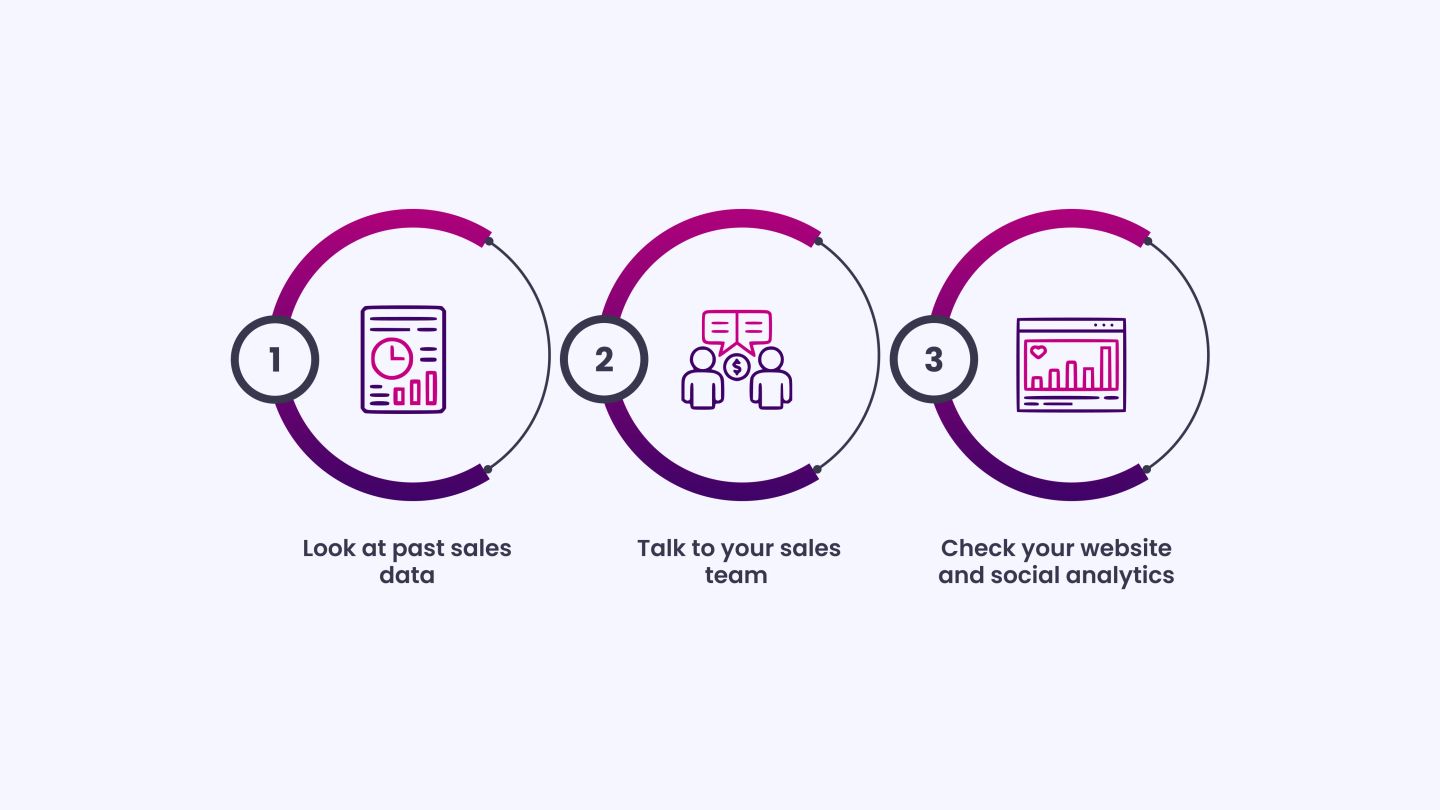
You don’t have to guess. Here’s how to figure out who your audience is:
Look at past sales data: Go through your CRM or DMS. What patterns do you see? Which age groups buy what types of cars? Are most of your customers first-timers or repeat buyers?
Talk to your sales team: They’re on the ground, interacting daily with people. Ask them: Who’s coming in? What are they asking for? What are the common deal-breakers?
Check your website and social analytics: Tools like Google Analytics, Facebook Insights, and Instagram Business show you who’s engaging, gender, location, and interests.
Tools to Help You Research
Free Tools:
- Google Analytics- Understand website visitor behavior and demographics
- Meta Business Suite- Breaks down age, location, and engagement by post/ad.
- AnswerThePublic- Shows what people are searching related to your keywords
- Think with Google- Auto Insights- Industry-specific consumer trends and behaviors
Paid Tools:
- SEMrush or Ahrefs- See what your competitors are ranking for and who’s searching
- Sparktoro- Gives insight into audience interests, behavior, and what they follow.
- YouGov Profiles- Deep psychographic and demographic data
- Statista- Verified automotive market trends and consumer insights.
Your audience isn’t static. Track how it changes. A dealership that used to sell sedans primarily may see a shift toward hybrid SUVs. Don’t assume you know your buyer; verify it and recheck often.
II. Optimize Your Website to Boost Buyer Action
A good car dealership marketing plan doesn’t stop at getting traffic; it ensures traffic turns into real leads. And the website is the first place that either makes it happen or kills the deal before it even starts.
If your site loads slowly, looks outdated, or fails to deliver the information people came for, most shoppers will leave without a second thought. Nearly half of car buyers decide whether to engage further based on how fast and smoothly the site feels.
Here’s what a high-trust website needs to do, without exception:
- Show inventory clearly and accurately: There should be no hidden pricing or missing details. Every listing should have real photos, not stock ones, and precise specs.
- Make offers and financing options easy to understand: Up front, include limited-time promos, finance calculators, and trade-in tools. Let visitors explore on their own without needing to call first.
- Speed matters: Your site should load in under 3 seconds. Use tools like PageSpeed Insights or GTmetrix to audit performance and fix slow spots.
- Mobile first, not just mobile friendly: Over 60% of traffic will come from a phone. Every site part should work effortlessly on mobile, from browsing inventory to booking a test drive.
- Simple ways to take action: Clear buttons, visible phone numbers, easy lead forms, and chat options give people zero friction between “I like this car” and “I want to come see it.”
III. Build a Strong Online Presence
A solid car dealership marketing plan doesn’t start with adsit begins with presence. Before a buyer steps onto your lot or picks up the phone, they’re already checking you out online. And not just your website. They look at your reviews, social profiles, listings, and activity.
Why? Because buying a car is a big decision. People want to know who they’re dealing with. A weak or outdated presence sends the wrong signal before you even get a chance to speak.
Here’s where your dealership needs to show upclearly and credibly:
Social Platforms
Active profiles on:
- Twitter (X)
Post regularlybehind-the-scenes, new arrivals, customer handovers, service offers. It builds familiarity and trust.
Business Listings & Directories
- Google Business Profile (critical for local search visibility)
- Yelp
- Edmunds
- Carfax
- DealerRater
- Cars.com
- Angi (for service-related traffic)
Ensure these are verified and updated, and include good photos, real hours, and accurate contact details. Ask happy customers to leave reviews; those carry weight.
Third-Party Marketplaces
A buyer might spot your vehicle first on AutoTrader, Facebook Marketplace, or Cars.com. So your listings there should be just as polished as your site. No stock photos. Clear pricing. Fast replies. If you’re slow here, someone else is getting that buyer.
A practical car dealership marketing plan builds a reputation with which buyers feel confident engaging. That starts with showing where they’re already lookingand making a good impression when you do.
IV. Invest in Digital Advertising
Running ads is easy. Running the right ads to the right people, in the right place, is what makes a car dealership marketing plan worth the investment.
When someone searches “SUVs under $25K near me,” your dealership needs to be front and center. Not because you’re guessing, but because your ads are built around what buyers are searching for in your area at that exact moment.
Paid Search: Google& Microsoft (Bing) Ads
Search ads are intent-driven. That means the person searching is already in buying mode.
Here’s how to make the most of it:
- Use high-intent, local keywords: “Cars for sale in [city],” “Used trucks near [ZIP],” and “Top dealerships near me.”
- Target by location: Focus your campaigns by ZIP code, city, or radius around your dealership.
- Write clear, offer-driven headlines: “0% APR on Certified Pre-Owned SUVs - Book Today”
- Link to landing pages that match the ad: Don’t drop people on your homepagesend them to what they searched for.
Set up campaigns in both Google Ads and Microsoft Advertising (Bing Ads). Bing still holds strong market share among older, financially stable buyers, and costs per click are often lower than Google’s.
Meta Ads (Facebook + Instagram)
Under Meta’s ad platform, you can run campaigns across Facebook and Instagram from a single dashboard.
Best practices:
- Geo-targetyour audience within 10-15 miles of your dealership
- Use carousel adsfor showcasing multiple vehicles
- Retargetpeople who visited your site but didn’t convert
- Run time-bound offersin Stories or Reels with CTAs like “Book Now” or “Send Message.”
Local ads aren’t just about dropping a pin on a map. Go deeper:
- Target competitor hotspots- Run ads around rival dealerships to win high-intent foot traffic
- Exclude non-relevant areas- Don’t waste budget on people outside your delivery or service range
- Use radius-based campaigns- Create separate ads for users within 5, 10, and 20 miles of your location
- Test drive campaigns by neighborhood- If certain ZIPs convert better, give them dedicated campaigns
Other High-Impact Paid Channels
- YouTube Ads- Great for showing vehicle walkarounds, finance promos, or service features
- Google Display Network- Banner ads for remarketing across high-traffic sites
- Yelp Ads- Pushes your listing to the top when people search for “best dealerships near me”
- Twitter Ads- Ideal for quick promo pushes and local event awareness
When digital ads are planned as part of a well-structured car dealership marketing plan, they stop being a cost and become a consistent, measurable source of buyers. The difference is in how precisely you aim.
V. Improvise the Test Drive Experience
If you’re in the business of selling cars, you already know how much weight the test drive carries. It’s the moment the decision starts to form. And yet, it’s one of the most overlooked parts of the customer journey.
A good car dealership marketing plan doesn’t stop at bringing in leadsit carries through to the last mile. That includes refining the test-drive experience for the buyer. Make it simple, personal, and feel like it’s about them, not the sale.
Start by offering solo test drives where possible. People drive differently when they’re alone. They’re more honest with themselves and more confident in the experience. Give them that space. Don’t crowd the moment with a script or pitch. Be there to answer questions, not push them forward.
Next, keep pricing transparent. If someone has to ask three times about the actual cost, trust is already slipping. When the drive ends, give them a reason to staywhether it’s a limited-time bonus, a small discount, or even just a clear next step.
Test drives aren’t just for showing off the car; they’re for showing buyers they’re in control. And when your car dealership marketing plan treats that moment like it matters, you’re a lot more likely to see the deal close where it should: right after the engine shuts off.
VI. Use Local Marketing Tactics Cleverly
Digital is powerful, but local still sells. If you’re serious about growing consistently, your car dealership marketing plan should include real-world strategies that connect with people right in your community.
Mailers, print ads, and neighborhood promos still work when done right. A well-designed postcard or magnet on someone’s fridge does more than just advertiseit keeps your dealership front and centre without competing with every brand on a phone screen.
Send personalized letters for trade-in offers, service discounts, or seasonal promotions. Keep it simple, clear, and relevant. A magnet with your hours and phone number is still effective. A postcard with a limited-time financing offer is even better if it’s tied to the recipient’s last service or visit.
Local newspapers are also worth a look, especially weekend editions, when people scan for sales, events, and deals. Your ad doesn’t need to be flashy. It must be well-placed and well-timed, and it must speak to what people care about: value, trust, and convenience.
VII. Prioritize Lead Tracking and Fast Follow-Up Systems
If someone fills out a form, sends a message, or calls about a car, they’re warm. Maybe not red-hot, ready-to-sign-today warm, but warm enough to be taken seriously. And yet, this is precisely where many dealerships fumble.
No matter how solid your ads are or how smooth your inventory looks online, if follow-up is slow or scattered, the lead will go cold fast. That’s why any car dealership marketing plan worth its name needs a fast, clear, and consistent follow-up system.
This doesn’t mean aggressively chasing peopleit means being present and responsive before they move on to another dealer who replies faster.
A simple structure goes a long way:
- Every inquiry gets logged.
- Every lead gets assigned.
- Every response goes out within minutes.
CRM platforms make this easy. Tools like HubSpot, DealerSocket, or VinSolutions help you track who reached out, when, what they asked for, and who’s following up. They let you set reminders, automate first replies, and see at a glance who’s slipping through the cracks.
Speed builds trust. The organization turns maybes into booked appointments. And the best part? A good car dealership marketing plan doesn’t treat lead follow-up as a task; it bakes it in as a system that runs every single day, for every single lead.
VIII. Run Smart Retargeting for Warm Leads
A lot of potential buyers show interest, then disappear. Maybe they viewed a car, started to fill out a form, or asked about pricing, but didn’t follow through. This doesn’t mean they’re not serious. It usually just means life got in the way.
This is where a smart car dealership marketing plan steps in with retargeting.
Retargeting lets you stay in front of people who’ve interacted with your dealership online. These are the “almost customers”; they’ve shown intent and are much closer to buying than someone seeing your ad for the first time.
You can run:
- Ads for the exact vehicle they viewed
- Reminders about a dropped form
- Follow-ups with updated offers, price changes, or availability alerts
Platforms like Google, Meta (Facebook + Instagram), and even YouTube make it easy to retarget based on past visits or behavior.
Done right, this kind of follow-up doesn’t feel pushyit feels helpful. With the right message, it brings your dealership back into focus at the right time. And when retargeting is baked into your car dealership marketing plan, you’re not starting from scratch with every ad; you’re finishing what already started.
IX. Invest in Creating Impactful Vehicle Content
When buyers browse online, they’re not just looking for specs; they’re looking for something real. No one gets excited about a recycled stock image with generic info. They want to see the actual vehicle, its condition, the interior, the wheels, and the quirks. That’s what builds trust.
A good car dealership marketing plan should firmly believe in the power of storytelling. And nothing does that better than quick, honest video walkthroughs.
You don’t need studio lighting or a high-end setup. A clean shot on a decent smartphone, walking through the car while pointing out the details that mattermileage, condition, features, and anything uniqueis more than enough. It’s personal, it’s direct, and it tells the buyer: this car is real, and it’s ready.
Videos work well across platforms:
- Drop them into your listings
- Use them in follow-up messages
- Add them to your social posts
- Send them one-on-one to leads who asked about a specific vehicle
X. Use Email and SMS for Lead Nurturing
Not every lead is ready to buy the day they reach out, and that’s fine. What matters is how you stay in touch after that first interaction. A strong car dealership marketing plan includes a system for keeping the conversation going with those needing more time.
This is where email and SMS come in. Do not spam them with generic offers; provide value that keeps your dealership relevant while in decision mode.
Think short, helpful messages. Send comparisons between similar vehicles, updates when new stock arrives, or answers to common buyer questions. Let them know when a price drops on something they viewed. Keep it personal. “Hey Alex, just a heads-up, that blue Civic you looked at last week is now available with zero down.”
Use tools like Mailchimp, ActiveCampaign, or Textedly to automate these sequences without losing that personal feel. Keep the tone conversational and direct, and avoid sounding like a newsletter no one asked for.
Lead nurturing isn’t just follow-upit’s how you stay relevant in a buyer’s decision window. A good car dealership marketing plan ensures you’re not forgotten when someone clicks away.
XI. Build a Simple but Powerful Referral and Review System
One of the most effective ways to get new buyers through the door is happy customers who talk.
Every solid car dealership marketing plan should include a referral system that makes it easy and worthwhile for past buyers to send someone your way. People trust people they know. If someone had a smooth experience at your dealership, they’re more likely to recommend you. But you’ve got to ask for it, and you’ve got to make it easy.
At the end of every sale, train your team to ask two things:
- “Would you be open to leaving a quick review about your experience?”
- “If you know anyone looking for a car, we’d love to help them, too. Here’s how you can refer them.”
Don’t just hope they’ll remember yougive them a simple link, a QR code, or a quick form they can forward to a friend. Offer a small thank-you gift (a gift card, service discount, etc.) for every successful referral. And follow up personally when a referral leads to a sale. That kind of gesture keeps the cycle going.
For reviews, focus on platforms like Google, DealerRater, and Facebook; they carry weight and appear in local searches. The more positive reviews you have, the more trust you build before the first conversation starts.
XII. Track and Review Your Marketing Results
It’s easy to keep running ads, campaigns, and promos just because they’re already set up. But without checking what’s working, you’re flying blindand wasting money. A smart car dealership marketing plan includes regular checkpoints to measure what’s driving real leads and what’s just noise.
You don’t need a complex systemjust transparent monthly reporting that answers a few key questions:
- Which platforms are bringing in the most qualified leads?
- Where are your conversions coming from?
- What’s costing you the most without showing returns?
Look at your ad platforms, CRM data, website traffic sources, and sales reports. If your Facebook ads generate clicks but no one’s converting, pause them. Are Google search ads bringing in low-cost leads that close? Double down.
Tools like Google Analytics, HubSpot, or even simple dashboards in Meta Ads Manager or your CRM can show you what matters. It’s not about tracking everythingit’s about tracking what moves cars off your lot.
A strong car dealership marketing plan evolves. It drops the dead weight, builds on what’s proven, and keeps decisions based on data.
Focus on Selling Cars, Leave Marketing to the Experts
Inventory, customer walk-ins, test drives, financing, after-sales service… Running a dealership is already a full-time hustle. And just when you think you’ve got a rhythm going, you’re expected to keep up with ad platforms, campaign tweaks, and some new “must-do” trend on social media?
You didn’t get into this business to spend your nights buried in analytics dashboards or debating whether this week’s Instagram reel needs a trending audio clip. You’re here to sell cars, build trust, and run a thriving dealership.
So, ask yourself if you want to juggle your business and marketing?
Probably not.
Working with people who live and breathe this stuff makes a real difference. While you focus on moving metal and keeping your customers happy, the right marketing pros will elevate your brand visibility, lead flow, and reputation without adding another task to your plate.
INSIDEA
Ready to put this into practice?
INSIDEA is an Elite HubSpot Partner rated 4.99 across 450+ verified reviews. Let's map it to your goals.

 How INSIDEA works