

Most buyers are already 60-70% of the way through their decision before they call a dealership or walk onto a lot. They’ve watched walkaround videos, read reviews, and scrolled through posts, forming a first impression, all without speaking to a single salesperson.
That first impression is being shaped by social media. And if your dealership isn’t showing up there with content that builds trust, a competitor down the road is filling that gap for you.
Over 40% of car buyers say a social media post, on Instagram or Facebook, directly influenced what they ended up buying. That number isn’t a rounding error. It’s a signal about where purchase decisions are actually being made.
But here’s the reality a lot of dealerships run into: they know they should be doing more on social media, they just don’t know what “more” actually looks like. Posting a car photo with a price tag every few days isn’t a strategy. Neither is boosting the occasional post and hoping for leads.
This blog is a practical breakdown of social media marketing for car dealerships, what to post, where to post it, how to get found, and how to actually turn that activity into inquiries, test drive bookings, and sales.
The Hidden Advantage Social Media Gives Local Dealerships
Before getting into the how, it’s worth being direct about what’s at stake.
Your biggest competition often isn’t a different brand; it’s the dealership selling the same make as you in the same city. The one that wins the customer is usually the one that showed up more consistently, felt more trustworthy online, and gave the buyer a reason to choose them before the first conversation happened.
- Social media is where that trust gets built, or lost: Buyers research before they reach out. By the time someone calls your dealership, they’ve already checked your Google reviews, scrolled your Instagram, and possibly watched one of your videos. A sparse or inconsistent social presence signals neglect. An active, genuine one signals that you’re a dealership worth working with.
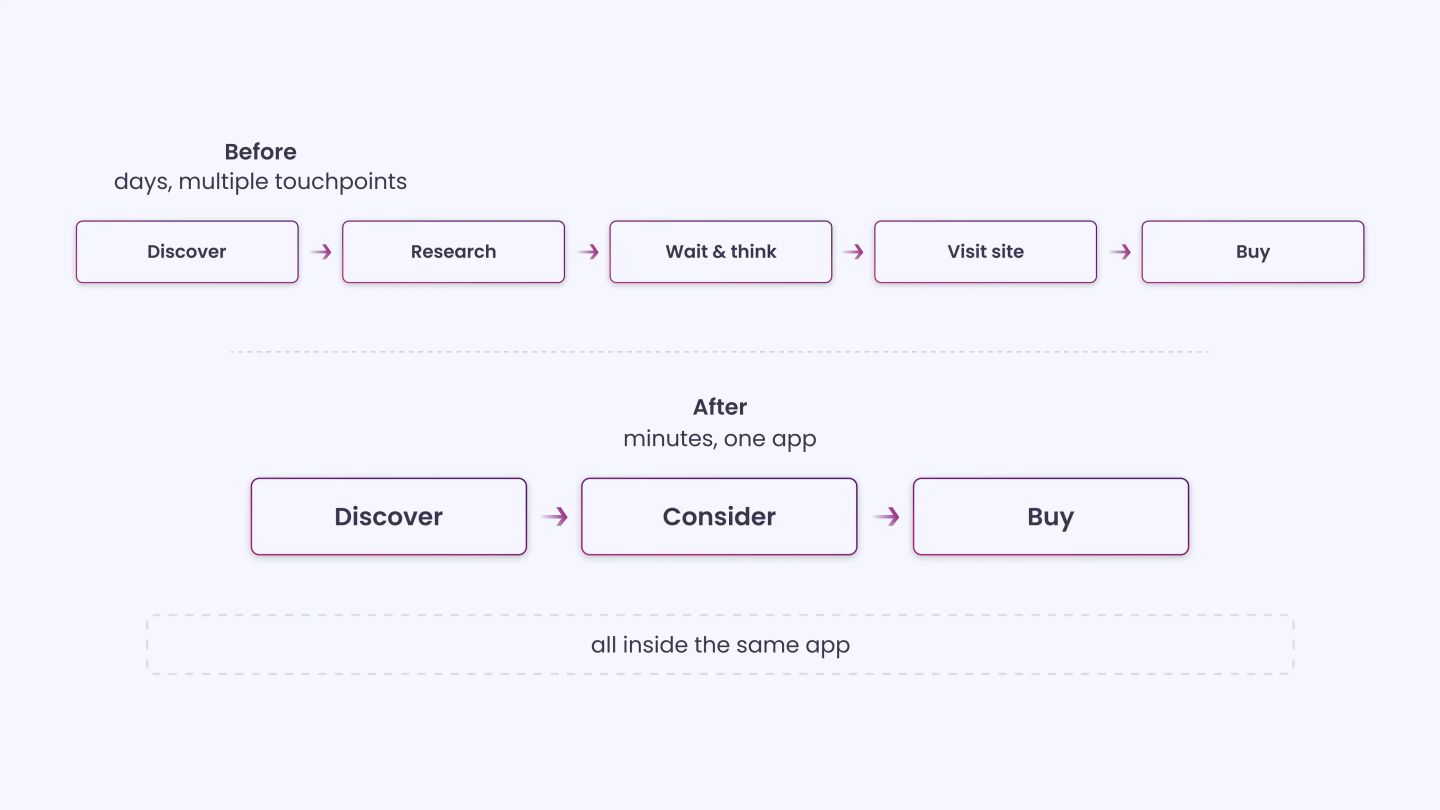
- Organic content compounds over time: A well-produced YouTube walkaround doesn’t disappear after 24 hours. It sits in search results, gets found by buyers researching that model weeks later, and continues generating inquiries long after you posted it.
- You can reach local buyers without a huge ad budget: With the right content and a few well-placed hashtags, your posts can reach people in your city who are actively thinking about buying. Paid ads amplify this further, but organic reach alone is more powerful than most dealerships give it credit for.
- Post-sale engagement builds loyalty: Your relationship with a customer shouldn’t end the moment they drive off the lot. Engaging with them post-purchase, through service reminders, customer shoutouts, or simply staying visible, keeps your dealership top of mind when they’re ready to trade in or refer a friend.
Social Media Marketing for Car Dealerships That Generates Leads
Before we get to the step-by-step social media strategies, remember this: every post, video, or story is a chance to build trust, engage local buyers, and keep your dealership visible. Here’s how to make each one count.
Target the Right Buyers With Every Content Decision
Every content decision should trace back to one question: Who are you trying to sell to?
A dealership specializing in budget-friendly used cars is talking to a completely different person than one focused on certified pre-owned luxury vehicles. The content, tone, platform, and even the time of day you post should reflect that difference.
Before building any strategy, get specific:
- What types of vehicles do you move most often, and who buys them?
- Are you going after first-time buyers, families, commuters, or upgrade buyers?
- What questions are people asking before they even start looking at dealerships?
Once you have clear answers, the content almost writes itself. You’re not brainstorming what to post; you’re answering questions your actual buyers have, in a format they’re already consuming.
Spot Gaps in Your Competitors’ Social Content
Competitor research isn’t about copying what others do. It’s about understanding the space well enough to do something better.
Follow a few dealerships in your region or with similar inventory: Don’t just look at their follower count, look at which posts actually get engagement. Comments, saves, and shares signal what’s resonating with real buyers. Likes are easy; saves mean someone found the content useful.
Pay close attention to what’s missing: Maybe no dealership in your area posts about the service department. Maybe everyone posts inventory, but nobody explains financing in plain terms. Maybe the content is all polished graphics with zero personality. Those gaps are your opportunity.
Tools like Meta’s Ad Library let you see exactly what ads competitors are running, which creative formats they’re testing, what offers they’re promoting, and how long a campaign has been live. A campaign that’s been running for weeks is usually working. That’s useful information.
The goal is to walk away from this research with a clearer sense of what already exists in your market, and what your dealership can do differently to stand out.
Choose the Right Platforms
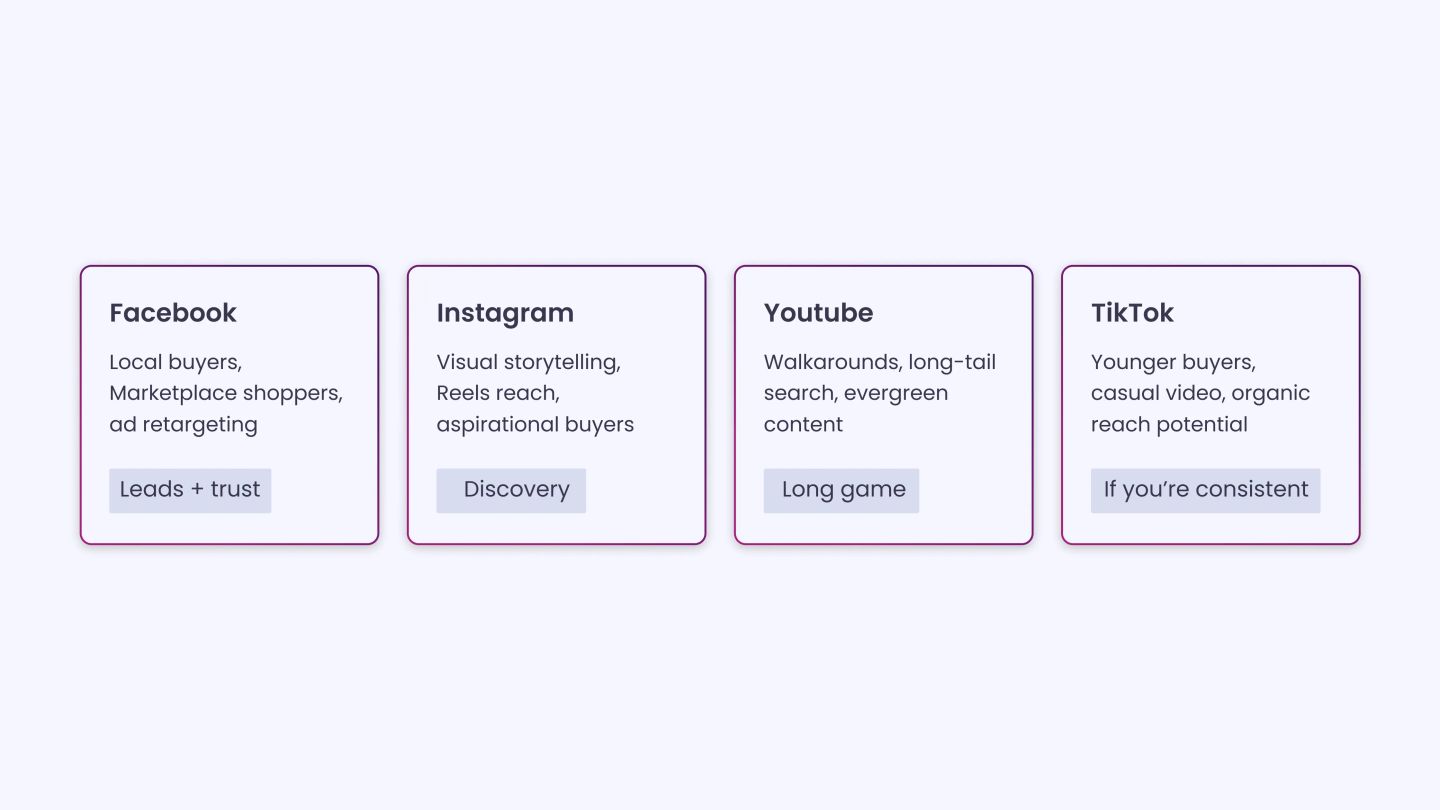
Trying to maintain a strong presence on every platform simultaneously is a reliable way to do all of them poorly. Focus on the platforms where your buyers actually spend time, and where the content format fits naturally with what a dealership can produce.
Still the strongest platform for local car dealerships. Facebook Marketplace puts your used inventory in front of people who are actively searching for vehicles, not passively scrolling.
The ad targeting infrastructure is more refined than any other platform for local geographic reach, income brackets, and purchase-intent signals. An active page with real reviews also adds credibility that new visitors notice immediately.
Facebook Groups are also underused. Local community groups are full of people asking, “Does anyone have a good recommendation for a dealership?” Being an active, helpful presence in those groups , not promotional, just helpful, builds a reputation that generates referrals.
Instagram is where visual storytelling lives. Cars photograph well, and the platform rewards consistent, quality imagery and short-form video. Reels give you reach beyond your existing followers. Stories let you post real-time updates without affecting your main feed.
The Highlights feature is useful, organize them by category (Used Inventory, Customer Reviews, Financing FAQ, Meet the Team) so a first-time visitor can quickly find what they’re looking for.
Instagram Broadcast Channels are worth using for direct announcements, new arrivals, limited-time promotions, or service specials, delivered straight to followers who opted in, with no algorithmic interference.
YouTube
YouTube is a long-game platform. Content you upload today can still be generating inquiries a year from now, because it lives in YouTube’s search results and on Google. A buyer researching a specific model will often come across a dealership walkaround video during the process. If your dealership produced that video, you’re already in the conversation before they’ve contacted anyone.
Keep it practical: walkaround videos on current inventory, explainers on financing and trade-ins, and customer testimonial clips. You don’t need professional production, a steady phone, decent lighting, and a salesperson who can talk comfortably on camera to start.
TikTok
TikTok’s algorithm gives new accounts a genuine shot at reach that would take years to build on other platforms. If your team is comfortable on camera and willing to post consistently, it’s worth investing in. The content that performs well here is casual and direct: “What $18k gets you right now on our lot,” delivery day moments, quick answers to the questions buyers are actually typing into search, and real behind-the-scenes footage that makes your dealership feel human.
Don’t force it if you don’t have the bandwidth. An inconsistent TikTok presence is worse than none at all.
Build Credibility With Authentic Posts Buyers Can Trust
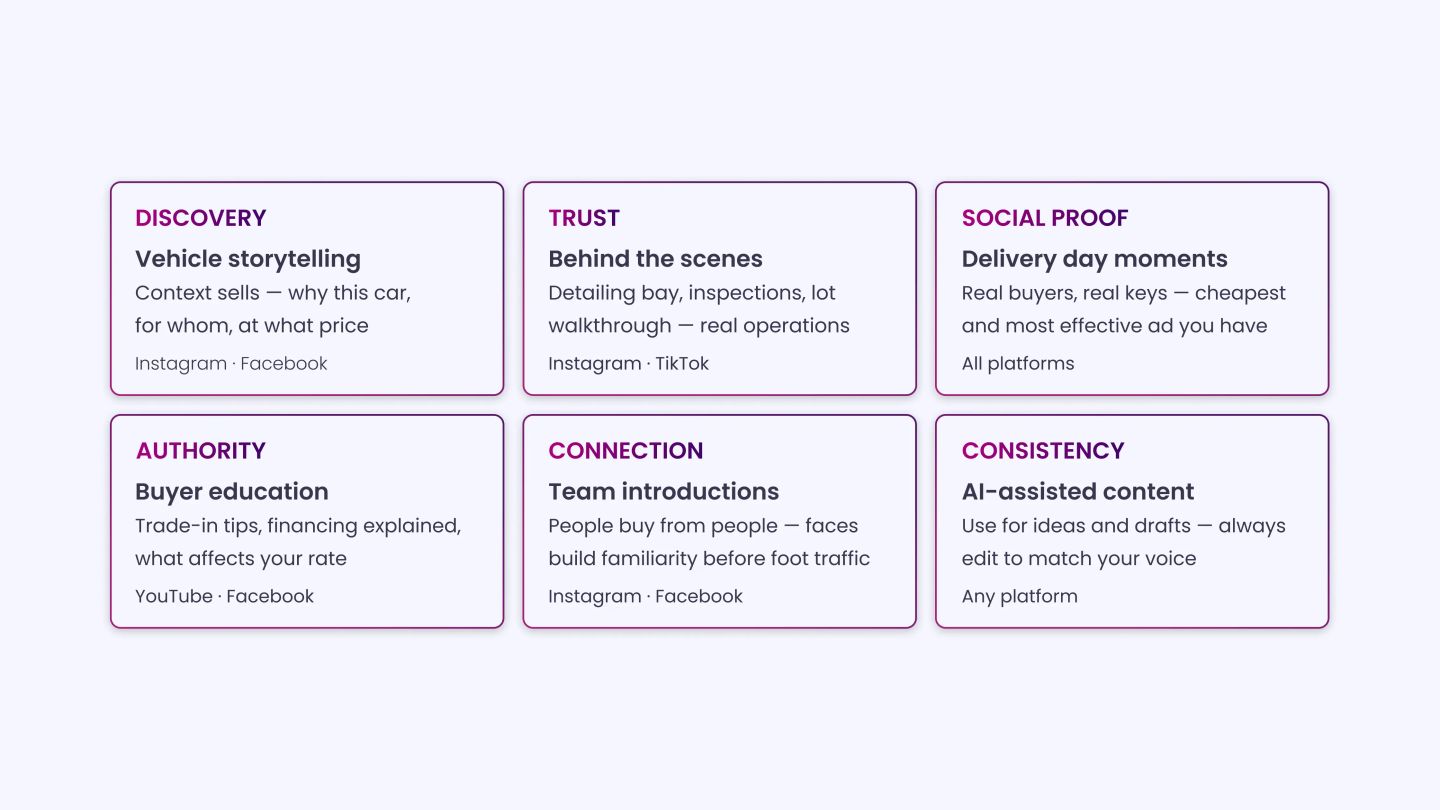
You don’t need a content studio or a marketing team to produce content that works. You need content that reflects how your dealership actually operates, the people, the inventory, the process, and the moments that happen every day.
Vehicle Storytelling: A photo of a car with a price works. A photo of a car with context works better. Why is this model a great fit for a young family? What’s the fuel economy on highway driving? What question do buyers always ask about this one, and what’s the honest answer? That kind of caption gives someone a reason to stop scrolling.
Behind-the-Scenes Content: People trust what they can see. Show the detailing bay, the pre-delivery inspection, the tech doing a safety check, and the lot manager walking inventory on a Tuesday morning. This content humanizes your dealership in a way that no promotional graphic ever will. It says: real people work here, and they take care of what they sell.
Delivery Day Moments: A customer picking up their car is a moment worth capturing. A simple photo, a quick quote from the buyer, a note about what made the deal happen , this is social proof that costs nothing to produce and works better than almost any ad you could run. It shows real people choosing your dealership, which is exactly what a hesitant buyer needs to see.
Buyer Education Content: Your audience has questions they’re already searching for answers to. Answer them first. “Three things to check before trading in your car.” “The difference between financing and leasing, in plain terms.” “What actually affects your loan rate?” This kind of content positions your dealership as helpful and knowledgeable, not just a place that wants to sell something.
Team Introductions: People buy from people. A post introducing a salesperson, a service tech, or the finance manager, with a real photo and a few genuine details, builds familiarity before a buyer ever steps through the door. “Meet Jess, she handles financing and has helped first-time buyers get approved more times than she can count” is more compelling than any promotional copy.
Using AI Tools for Consistent Content: When time is short, tools like ChatGPT, Claude, and Gemini are useful. They won’t replace your voice or your knowledge of the local market, but they can help you generate post ideas around seasonal promotions, draft caption options for inventory posts, repurpose buyer questions into content topics, and build out a posting schedule when you’re staring at a blank calendar.
Use them as a starting point. Edit the output to match your tone. The content still needs to sound like you.
Use Searchable Words, Hashtags, and Titles That Drive Traffic
Great content that nobody finds is wasted effort. Social Media Optimization (SMO) is the practice of making your posts discoverable , by using the language, tags, and structure that help your content show up when buyers are searching.
Use the words your buyers actually type: Not “premium pre-owned vehicles”, “used trucks near me,” “bad credit car loans [city],” “certified SUV under $20k.” These phrases belong in your captions, video descriptions, profile bios, and hashtags.
Hashtags should be specific: Tags like #car or #dealership have millions of competing posts and attract no real local traffic. Tags like #UsedTrucks[City], #CertifiedPreOwned, #FirstTimeBuyerDeals, or #AutoFinancing[City] connect your content with people who are actually searching for what you sell.
Your profile bio should be searchable: Use it to clearly state what you sell and where. “Family-owned dealership in [City] | Certified Pre-Owned & Used Vehicles | Same-Day Financing | Credit Assistance Available” tells both the algorithm and a first-time visitor exactly what you offer in under ten seconds.
YouTube titles matter more than most dealerships realize:“2024 Honda CR-V Walkaround” is very generic. “2024 Honda CR-V Walkaround | Certified Pre-Owned SUV for Sale in [City]” gets found in both YouTube and Google search results.
Collaborate Locally to Boost Credibility and Visibility
For car dealerships, influencer marketing doesn’t mean partnering with automotive YouTubers with a million subscribers. It means connecting with people who already have your local audience’s trust.
A local auto detailer showcasing a trade-in transformation at your lot. A finance coach walking through first-time buyer programs with your team. A real estate agent, already talking to families relocating to your area, mentions your dealership when someone asks about buying a car. A local personality who reviews budget-friendly vehicles and has a engaged following of buyers in your price range.
These collaborations don’t need to be formal or expensive. A shared Instagram Live, a co-produced Reel, or a simple tag in a relevant post is enough to start. What makes it work is audience overlap; the people they’re already talking to are the people you want to reach.
Keep the content practical rather than promotional. What should a first-time buyer know about pre-approval? What’s actually true about trade-in values? What do most people misunderstand about down payments? Real information from a trusted voice carries weight that a sponsored post from a stranger never will.
Run Ads That Reach Buyers Ready to Take Action
Paid ads work best as amplifiers, not as a substitute for organic strategy. The most effective approach is to identify content that’s already performing well organically and put budget behind it, rather than running cold promotional ads and hoping they land.
When paid ads make the most sense:
- Promoting a limited-time deal (0% financing, cash-back offers, end-of-month clearance)
- Pushing high-demand inventory with a short walkaround video to people in specific zip codes
- Retargeting website visitors who browsed specific inventory pages but didn’t inquire
- Re-engaging past customers with service reminders or trade-in promotions
- Reaching buyers actively researching specific makes or price ranges in your local area
You don’t need a large budget to start. Even $50-$100 behind a post that already has strong organic engagement can meaningfully expand its reach to a qualified local audience. Track what you spend against actual inquiries, DMs, form fills, calls, not just impressions and clicks.
Meta Business Suite manages Facebook and Instagram ads in one place. Use it to set targeting, run A/B tests on creative formats, monitor results in real time, and keep your messaging consistent across both platforms.
Retargeting consistently delivers the highest ROI from ad spend for dealerships. Someone who has already visited your inventory page and hasn’t reached out is a warm lead; they just need another reason to come back.
Measure Engagement That Leads to Conversations and Sales
Posting consistently without checking results is how dealerships spend months doing the wrong things. You don’t need a complex analytics dashboard. You need to look at a handful of signals once a week and let them guide your next decisions.
Saves and shares over likes: Likes are passive. Saves mean someone wanted to come back to the content; that’s the intent. Shares mean they thought it was worth sending to someone else. Both signal that the content is actually working.
DMs and direct inquiries: If people are messaging you about availability, financing, or scheduling a test drive after seeing a post, that’s the clearest possible indicator that the content is doing its job. Track which posts generate direct conversations.
Click-throughs to inventory or booking pages: Engagement is good; action is better. Posts that move people from the feed to your website or service booking link are the ones worth repeating.
Watch time on videos. If people drop off within the first three seconds, the opening isn’t compelling enough. If they’re watching 70-80% of a walkaround video, that’s a signal to produce more of that format.
Instagram Insights and Meta Business Suite give you all of this without any additional tools. Spend fifteen minutes reviewing it each week. The patterns become clear quickly.
Consistency and Authenticity Win on Social Media
Social media for car dealerships isn’t about being everywhere. It’s about being in the right places, with content that reflects who you actually are, for buyers who are already looking for what you sell.
The dealerships that win on social media aren’t the ones with the biggest budgets or the most followers. They’re the ones that show up consistently, make their content feel real, answer the questions buyers are already asking, and pay enough attention to their results to keep improving.
Pick two or three platforms and do them well. Build content around real moments, your team, your inventory, your customers, and your process. Use AI tools when time is tight, but keep the voice yours. Track what converts, not just what gets liked. And treat social media like the serious sales channel it actually is.
The buyers are already there. The question is whether your dealership is giving them a reason to choose you.
INSIDEA
Ready to put this into practice?
INSIDEA is an Elite HubSpot Partner rated 4.99 across 450+ verified reviews. Let's map it to your goals.

 How INSIDEA works







