There was a time when a busy practice meant you had great word of mouth, a few newspaper ads, and maybe a flyer in the local gym. But fast forward to 2026, and suddenly, those old tactics aren’t bringing in new patients like they used to.
You’re still delivering excellent care, but the phone’s not ringing. Why?
Your loyal patients walk in. But you haven’t seen a fresh face in months. Why?
The answer is obvious - your digital presence is invisible!
This isn’t the early 2000s. Today, 90% of patients, including chiropractors, use online reviews and digital searches to choose their healthcare provider. If they can’t find you online, they’re finding someone else.
An innovative, well-executed digital strategy can change everything. That’s why we’ve compiled 21 powerful digital marketing ideas for chiropractors looking to grow, connect, and thrive this year.
21 Simple and Smart Digital Marketing Ideas for Chiropractors in 2026
1. Optimize Your Google Business Profile
Start by fine-tuning your Google Business Profile (GBP). This tactic is one of the most important digital marketing ideas for chiropractors who want to improve their local reach. This is essential for local search visibility.
Ensure your hours, services, location, and contact info are current. Upload high-quality images of your clinic and encourage satisfied patients to leave reviews. A fully optimized profile can significantly boost your appearance in local search results, especially when people search “chiropractor near me.”
Also, regularly post updates or promotions to your profile, like seasonal health tips or new service announcements. Use keywords naturally in your description to improve ranking. GBP insights also help track how patients find you so you can refine your strategy based on real data.
Take it further with these best practices:
Add service-specific keywords to your services and business description: For instance, if you offer “sciatica treatment” or “prenatal chiropractic care,” list those as individual services. This helps Google connect your profile to more precise searches.
Create an FAQ section in the Q&A area: Don’t wait for people to ask, use this section to proactively answer common questions like “Do you take insurance?” or “Is chiropractic care safe during pregnancy?” This improves user experience and shows Google your profile is active and informative.
Geotag your photos: When uploading clinic images, ensure the metadata includes your business location. While not officially confirmed by Google, many local SEO experts believe this helps associate your visuals with your geographic area.
Use GBP attributes: These small but powerful tags include designations like “Women-led,” “LGBTQ+ friendly,” “Wheelchair accessible,” or “Online appointments available.” They help communicate your values and convenience factors to potential patients.
Utilize booking integrations: Connect your GBP with scheduling software like Zocdoc, Calendly, or your EHR platform (if supported), so users can book directly from search results.
Respond to every review: Thank patients for their support, and address concerns with professionalism and empathy. Google favors active business profiles, and users are likely to trust a provider who listens and engages.
2. Run Location-Based Google Ads
Geo-targeted ads are crucial for chiropractors. You’re not trying to reach everyone, just those near your clinic. Run campaigns highlighting specific services like spinal adjustments or injury rehab, and direct them to a dedicated landing page. Google’s local service ads can also put you at the top of search results, complete with trust-building reviews and easy-to-click contact buttons.
Optimization tips to maximize results:
- Set a budget focused on high-intent keywords like “back pain doctor near me,” “chiropractor open now,” or “sports chiropractor [city name].” These terms often indicate someone is ready to book, not just browsing.
- Use ad extensions effectively. Include your phone number, address, and direct booking link to reduce friction for potential patients. Sitelink extensions can also guide users to major areas like insurance info or testimonials.
- Customize ad copy for local relevance. Mention your neighborhood (“Serving the [Riverdale] area for over 10 years”) or include local landmarks to build trust and familiarity.
- A/B test headlines and descriptions. Try variations like “Same-Day Appointments Available” vs “Gentle, Effective Back Pain Relief”, then adjust based on performance data.
- Track conversions, not just clicks. Use programs like Google Tag Manager and conversion tracking to measure actions that matter, calls, form submissions, and bookings, not just traffic.
- Schedule ads based on peak booking times. If most new patients call during lunch or early evenings, ensure your ads show during those hours.
3. Utilize Video Content on YouTube and TikTok
Short, educational videos on back pain relief techniques or what to expect during a chiropractic session can build trust fast. Show your clinic’s personality. Demonstrations, before-and-after testimonials, and staff introductions humanize your brand. TikTok, in particular, is helping health professionals go viral with authentic and informative content.
Use simple language and avoid heavy jargon. Add subtitles to make your videos more accessible. Consider behind-the-scenes clips of your clinic or Q&A sessions answering common chiropractic myths. Be consistent, posting weekly helps build momentum and trust with your followers.
4. Build a Mobile-First Website
Your website is often the first impression potential patients will have of your chiropractic practice, so it must be mobile-friendly, fast-loading, and intuitively designed. Most users now search from their phones, and a poor mobile experience can lead to lost opportunities.
A clean, responsive design enhances usability, improves SEO performance, and builds trust with visitors. Ensure essential information, like services, online booking, testimonials, and contact details, is easy to find and access.
To further enhance engagement and credibility, consider incorporating the following elements:
- Online booking system for convenient appointment scheduling
- Patient testimonials and reviews to build social proof
- Clear service descriptions and an FAQ page to address common concerns
- A regularly updated blog to support SEO and patient education
- ADA-compliant design and secure HTTPS protocol for accessibility and trust
- Visible qualifications, certifications, and professional affiliations to establish authorityA chatbot or contact form for quick, real-time inquiries
5. Offer Online Scheduling and Text Reminders
Convenience matters. Integrate online booking services like Zocdoc, Jane, or SimplePractice into your site. Combine this with automated appointment reminders via SMS or email. This will reduce no-shows and give your practice a modern, user-friendly edge.
Make the booking process as frictionless as possible with just a few clicks. Offer options for new consultations, follow-ups, or wellness plans.
Allow rescheduling or cancellations digitally. Personalized reminders can also include prep instructions or post-visit care tips, further enhancing the patient experience and reducing admin workload.
6. Use SEO to Target Condition-Based Keywords
Generic terms like “chiropractor” are highly competitive and often too broad to attract the right traffic. Instead, focus on condition-specific and location-based keywords that match the intent of people actively searching for help. Think of what potential patients are typing into Google when they’re in pain, terms like “sciatica treatment in Austin” or “chiropractor for migraines near me.” These long-tail keywords are more targeted, less competitive, and often lead to higher conversion rates.
Create dedicated blog posts and service pages optimized around these phrases. For example, a blog titled “What to Expect During Chiropractic Treatment for Neck Pain in Denver” can help draw searchers looking for answers and build trust.
Be sure to naturally include location tags, optimize your title tags, meta descriptions, headers, and alt text. Answering common patient questions within your content boosts relevance and increases dwell time and engagement.
Sample Long-Tail Chiropractic SEO Keywords
| Search Intent | Keyword Example |
| Localized treatment search | sciatica treatment in [Your City] |
| Symptom + service combo | Chiropractor for neck pain near me |
| Specific treatment queries | manual adjustment for scoliosis [City] |
| Posture and workplace-related issues | Chiropractic care for office workers [City] |
7. Launch a Chiropractic Blog
Blogging is a powerful, low-cost way to improve your SEO, educate potential patients, and build trust in your practice. Creating relevant, informative content increases your chances of ranking for long-tail keywords and answering the questions your future patients are typing into Google.
You don’t need to post daily, but consistency matters. A blog every week or two, packed with useful tips and insights, can establish your authority and keep your site fresh in the eyes of both search engines and visitors.
Don’t forget to link internally to service pages (e.g., “Learn more about our spinal adjustment services”) and include a CTA at the end of each post. You can also repurpose blogs into email newsletters or bite-sized content for social media platforms.
8. Share Success Stories with Before-and-After Posts
People love results. Share visual stories of patient recovery journeys on your website and social media with permission. Include short quotes or testimonials alongside images or video clips. This builds credibility and shows potential patients real-life proof of your care.
Feature a variety of stories, sports injuries, postural corrections, and chronic pain relief, to show your versatility. Use hashtags and tags when sharing on social media to improve reach. Add a call to action inviting viewers to schedule a consultation.
9. Create a Referral Rewards Program
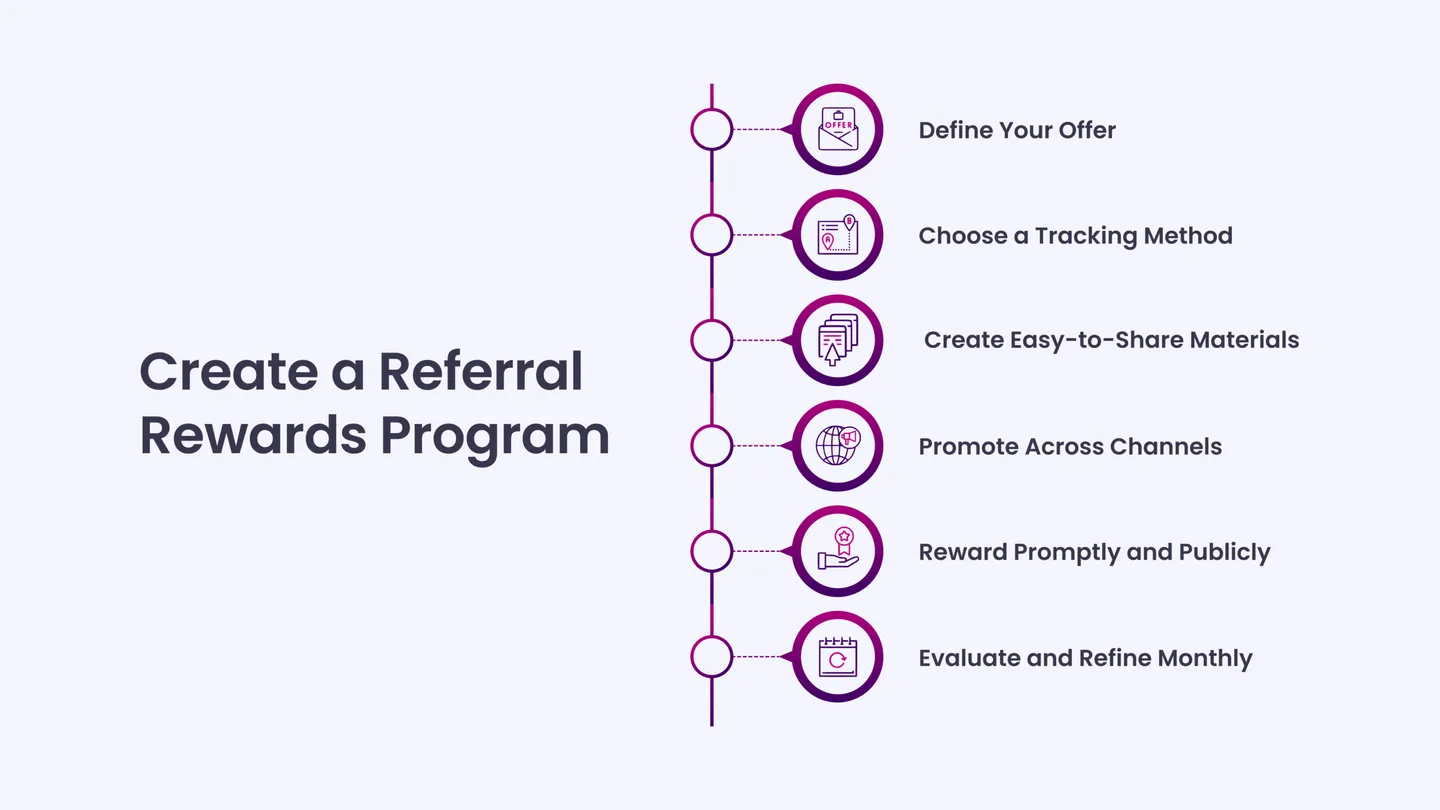
Boost patient growth with a simple referral rewards program that turns satisfied patients into brand ambassadors.
Step 1: Define Your Offer
- Choose an incentive (e.g., free consultation, $20 discount, wellness product).
- Make sure the reward is valuable enough to motivate referrals.
Step 2: Choose a Tracking Method
- Use software like ReferralCandy, Yotpo, or GrowSurf, or set up a manual spreadsheet.
- Assign unique referral codes or ask patients to mention who referred them.
Step 3: Create Easy-to-Share Materials
- Design a short message that patients can copy/paste via text, email, or social media.
- Include a referral landing page or simple form on your website.
Step 4: Promote Across Channels
- Announce the program in your newsletter, on social media, and in the clinic.
- Use posters, handouts, and front-desk reminders for in-office promotion.
Step 5: Reward Promptly and Publicly
- Deliver rewards quickly after a referral.
- Give shout-outs in your newsletter or waiting area to recognize top referrers.
Step 6: Evaluate and Refine Monthly
- Track how many new patients came from referrals.
- Adjust rewards or messaging based on what works best.
10. Host Free Virtual Workshops or Webinars
Free educational content can position your clinic as a helpful, approachable resource. Run a Zoom workshop on “Preventing Tech Neck” or “Stretches to Ease Lower Back Pain.” Collect participant emails to grow your list, and follow up with a special offer.
Promote these events on Eventbrite and social media. Record them for reuse on YouTube or as gated content for lead generation. Encourage attendees to ask questions live and offer a bonus for those who stay until the end.
11. Build an Email Newsletter
Email marketing is one of chiropractors’ most cost-effective and high-ROI strategies for nurturing patient relationships and driving new bookings. A well-crafted newsletter keeps your practice top-of-mind while providing valuable content that patients appreciate.
Send Consistent, Valuable Content: To maintain regular communication, aim to send your newsletter at least once a month. Include a mix of content types, such as health and wellness tips, explanations of chiropractic services, updates about your clinic, seasonal promotions, and links to your latest blog posts. This variety keeps readers interested and engaged.
Segment Your Audience: Don’t treat all subscribers the same. Segment your email list based on criteria like new patients, long-term clients, or those who have visited recently. Tailor your messaging accordingly, new patients might appreciate a “Welcome” series with introductory information, while loyal clients could receive loyalty rewards or advanced health tips.
Craft Attention-Grabbing Subject Lines: Your subject line is the first thing recipients see, so make it count. Use clear, benefit-driven language that sparks curiosity or urgency, like “5 Simple Stretches to Relieve Back Pain Today” or “Exclusive Offer: Free Initial Consultation This Month Only.”
Keep Your Copy Clear and Engaging: Use short paragraphs, bullet points, and conversational language to make your newsletter easy to read. Highlight key information with bold text or headers. The goal is to provide helpful content that patients can quickly scan and act on.
Include Strong Calls-to-Action (CTAs): Every newsletter should have one or more clear CTAs directing readers to take the next step, booking an appointment, downloading a free guide, signing up for a workshop, or following you on social media. Examples include “Book Your Appointment Now,” “Download Your Free Posture Guide,” or “Visit Our Blog for More Tips.”
Make It Mobile-Friendly: With many users reading phone emails, ensure your newsletter design is responsive and looks great on all devices. Use large fonts, clear buttons, and optimized images to enhance the mobile experience.
Track and Analyze Performance: Use your email marketing platform’s analytics to monitor open, click-through, and unsubscribe rates. This data helps you understand what content resonates best and where you can improve. To optimize results, experiment with A/B testing for subject lines, send times, and content formats.
Comply with Privacy Regulations: Always include an easy way for subscribers to unsubscribe and respect privacy laws such as GDPR or CAN-SPAM. Transparency builds trust and keeps your list healthy.
12. Promote on Facebook and Instagram Ads
Paid social media ads allow you to reach highly targeted demographics. Run ad sets for people within a certain radius of your clinic, filter by age or interest (e.g., fitness, wellness), and showcase compelling offers like “Free Initial Consultation” or “New Patient Special.”
Test different ad creatives, videos, carousels, or testimonials, to see what resonates best. Track performance using Meta’s ad manager to refine your strategy. Consider retargeting previous site visitors for higher conversion rates and lower click costs. When paired with local SEO and content strategy, this becomes one of the most cost-effective digital marketing ideas for chiropractors.
Facebook & Instagram Ad Formats Cheat Sheet
| Ad Format | Best For | Why is Works |
| Video Ads | Education & Awareness | Engaging visuals help explain services quickly |
| Carousel Ads | Highlighting Multiple Services | Users can swipe through treatments or offers |
| Testimonial Ads | Building Trust | Real patient stories build credibility fast |
| Lead Form Ads | New Patient Signups | Collect contact info without leaving the app |
| Retargeting Ads | Converting Site Visitors | Reminds interested users to book an appointment |
13. Encourage Google and Healthgrades Reviews
Online reviews are your digital word-of-mouth. Ask satisfied patients to leave reviews on Google, Healthgrades, and Yelp. Respond professionally to all feedback, good or bad, to show that you care about patient experience and are actively engaged.
Use QR codes in your office to make the review process easier. Send follow-up emails post-visit asking for feedback. Highlight positive reviews on your website or social media to build trust with potential new patients.
14. Start a Chiropractic YouTube Channel
Long-form videos offer an excellent opportunity to educate your audience in depth. Use your channel to debunk common chiropractic myths, explain your treatment methods, and share patient success stories through interviews.
For example, you might create videos such as:
- Debunking Common Chiropractic Myths: Address misconceptions to ease patient hesitation and build trust.
- What to Expect During a Spinal Adjustment: A step-by-step walkthrough explaining the process and benefits to increase comfort.
- Patient Success Stories: Interviews where satisfied clients share their recovery journeys, fostering emotional connection and credibility.
Best Practices for Your Chiropractic YouTube Channel
- Always include clear call-to-actions (CTAs) in each video, guiding viewers to visit your website or schedule an appointment.
- To keep viewers engaged longer, organize your content into playlists with topics such as posture correction, injury recovery, and frequently asked questions.
- Optimize your video titles, descriptions, and tags with relevant keywords to improve discoverability and search rankings.
15. Partner with Local Businesses
Collaborate with gyms, yoga studios, wellness spas, or local cafés. Offer co-branded promotions or exchange flyers and backlinks. This builds community relationships while tapping into new audiences who value wellness.
You can also host joint events or giveaways. Promote each other’s services through social shoutouts or blog collaborations. These partnerships bring visibility and increase credibility through trusted recommendations within your local network.
16. Use Retargeting Ads to Stay Top-of-Mind
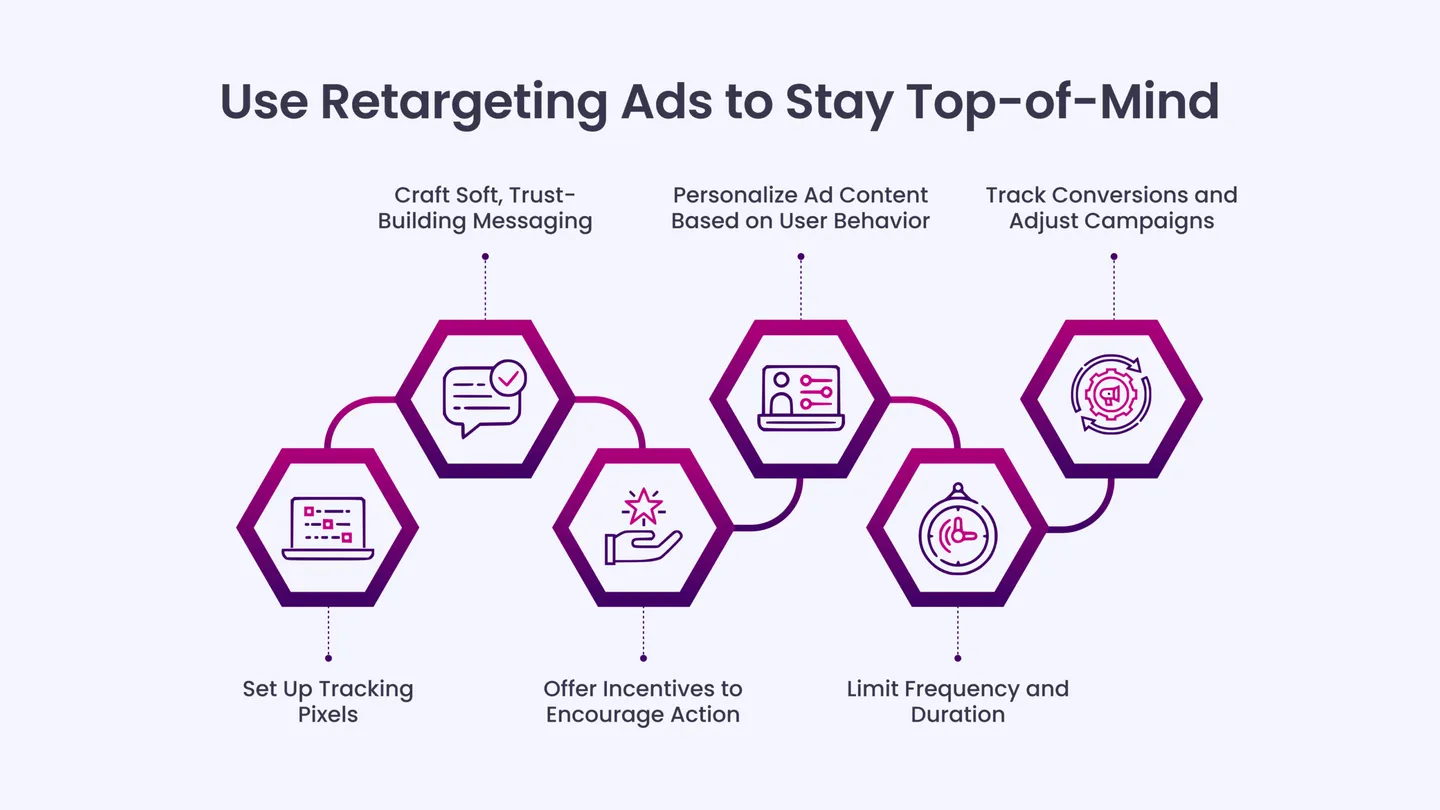
Most visitors to your website won’t book an appointment on their first visit, but retargeting ads give you a second chance to connect and convert. Targeting users who have already shown interest increases the likelihood they’ll return and take action.
Set Up Tracking Pixels: Implement Facebook Pixel and Google Ads tracking on your website to identify and segment visitors who didn’t complete a booking or contact form. This data lets you create highly targeted retargeting campaigns.
Craft Soft, Trust-Building Messaging: Avoid hard sells. Use warm, empathetic copy such as “Still dealing with back pain? We’re here to help.” This approach nurtures prospects without pushing too aggressively, building trust over time.
Offer Incentives to Encourage Action: Encourage return visits by offering small incentives like a free consultation, a discounted first session, or a downloadable guide on back pain relief. These value-adds help overcome hesitation.
Personalize Ad Content Based on User Behavior: Tailor ads according to the pages or services the visitor viewed. For example, someone who browses spinal adjustments might see an ad highlighting the benefits of that treatment, increasing relevance.
Limit Frequency and Duration: Control how often retargeting ads appear and set a reasonable time limit (e.g., 30 days after the last visit) to avoid ad fatigue. This keeps your ads effective without annoying potential patients.
Track Conversions and Adjust Campaigns: Use analytics programs to monitor the number of bookings or inquiries generated by your retargeting ads. Continuously test different creatives, offers, and messaging to optimize performance and ROI.
17. Create Interactive Content Like Quizzes
Interactive modules like “Is Your Back Pain Chronic or Temporary?” can be engaging and informative. After the quiz results, offer personalized tips and encourage a consultation. Use platforms like Typeform or Interact to embed quizzes on your site or landing pages.
Quizzes increase time on site and reduce bounce rate. You can also collect email addresses in exchange for results, making them excellent lead generation options. Share your quizzes on social media to attract wider audiences.
18. List Your Practice on Niche Directories
Beyond Google, get your chiropractic clinic listed on niche directories like Zocdoc, Healthgrades, and RateMDs. These platforms rank well on Google and increase your visibility among serious healthcare seekers.
Ensure your profile is complete with up-to-date contact info, hours, and services. Encourage satisfied patients to leave reviews here as well. Being listed on multiple sites increases your authority and trust signals in Google’s eyes.
19. Develop a Strong Brand Identity
Your logo, fonts, colors, and tone of voice all contribute to how your brand is perceived. A consistent identity across digital platforms makes your clinic appear more professional and trustworthy. Hire a designer if needed and build a brand guide.
Define your mission and core messaging to ensure it resonates with your target audience. Apply your branding consistently across your website, social media, emails, and printed materials. A strong brand builds recognition and increases patient loyalty.
20. Use Patient Journey Automation
Use CRM software to guide patients through their journey. After their first visit, send welcome emails, follow-up appointment reminders, and post-care resources. Personalized automation keeps patients engaged and improves retention.
Segment your patient list by visit history, conditions, or interests to deliver more relevant content. Include seasonal wellness tips, birthday messages, or reminders for annual checkups. Automation saves time while deepening patient relationships.
21. Track and Improve with Analytics
Finally, every digital marketing effort should be measurable. Use programs like Google Analytics, Meta Business Suite, and email platforms to track performance. See what’s working, then double down. See what isn’t, then pivot. Data is your best marketing partner in 2026.
Set clear goals and KPIs for each campaign, clicks, form submissions, bookings, or calls. Review reports monthly to identify trends. Use heatmaps and session recordings to understand user behavior and optimize your website experience accordingly.
Too Busy Treating Patients to Market Your Practice? You’re Not Alone
Let’s be real, chiropractors are already stretched thin managing patient care, running the clinic, handling paperwork, and staying on top of continuing education. Adding marketing to that list? It’s just not sustainable. Most don’t have the time (or desire) to learn SEO, run paid ad campaigns, or keep up with algorithm changes. That’s where a digital marketing agency comes in.
Outsourcing your marketing frees up time to focus on what you do best: helping patients heal. Meanwhile, professionals handle the strategy, content, and growth behind the scenes.
And that’s where INSIDEA helps.
INSIDEA
Ready to put this into practice?
INSIDEA is an Elite HubSpot Partner rated 4.99 across 500+ verified reviews. Let's map it to your goals.



 How INSIDEA works