

There’s no script in a personal injury case. No dramatic zoom-in. No clean resolution before the next commercial break. In reality, you’re juggling medical reports, fielding phone calls at 9 p.m., and trying to explain liability to someone blindsided.
You’re not just fighting cases. You’re fighting skepticism, urgency, and the reality that most people don’t know what a personal injury lawyer does until they desperately need one.
That’s where social media enters the picture, as an essential resource that helps you do what you already do best: explain, advocate, and earn trust. According to the American Bar Association, 80% of law firms maintain a social media presence, with 78% using LinkedIn, 53% on Facebook, 22% on Instagram, and 18% on X.
Having a Facebook page won’t cut it. Your competitor is already posting. What matters is how you use it. A 60-second reel that breaks down what to do after a hit-and-run? That answers a fear your future client doesn’t know how to put into words yet. A simple post about what “no win, no fee” means? That’s reassurance that builds confidence before you ever get on a call.
That’s the difference social media marketing for personal injury lawyers can make. It’s about turning your knowledge into clarity, your experience into trust, and your content into a magnet that brings the right people to your door.
In this blog, I’ll walk you through 10+ real, usable tactics to make social media an asset to your practice without compromising your voice.
Let’s get into it.
The Importance of Social Media Marketing for Personal Injury Lawyers
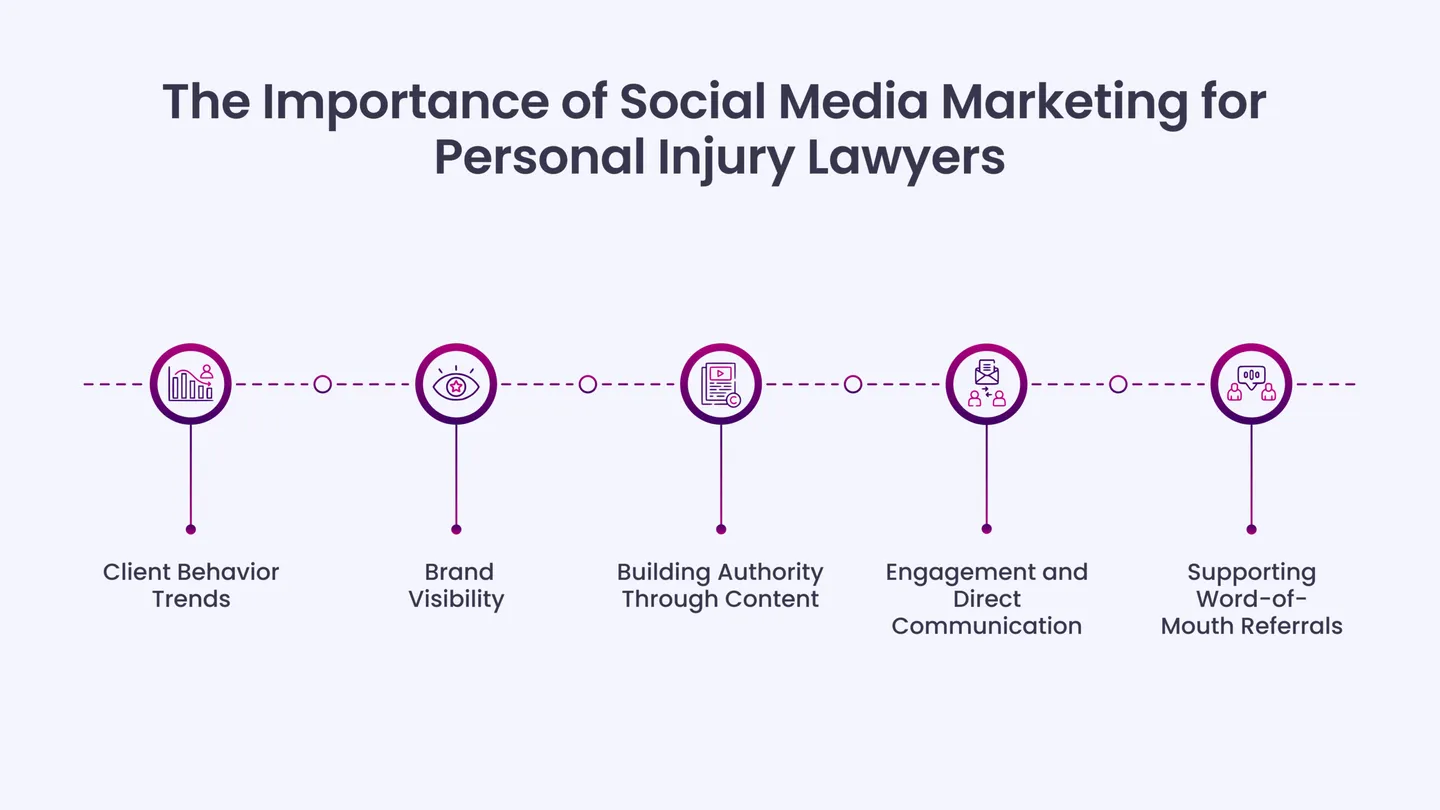
Here are the top 5 reasons why social media marketing for personal injury lawyers is essential:
Client Behavior Trends: People aren’t searching for lawyers like they used to. They’re browsing Facebook, watching short videos on Instagram, and asking for recommendations in comment sections. Social media is often where someone’s legal research starts, and if you’re not part of that space, you’re not part of their option.
Brand Visibility: A consistent, professional social media presence keeps your name in circulation. Whether someone sees your post once or five times, repetition builds recognition. When a legal issue hits, they’re more likely to think of the firm they already know.
Building Authority Through Content: Social platforms let you explain, educate, and simplify legal topics in ways people understand, like a quick video on accident claims or a carousel that breaks down liability. It shows you’re someone who gets the system and knows how to talk about it.
Engagement and Direct Communication: People often reach out with quick questions before they’re ready to hire. Being active on social media gives them a way to test the waters, and it gives you a way to respond in real time. That kind of accessibility goes a long way in building trust.
Supporting Word-of-Mouth Referrals: Even if someone hears about you from a friend, they’ll likely check your social media before they call. A strong profile with valuable posts, clear contact info, and visible activity backs up what they’ve been told and helps them feel more confident reaching out.
10+ Must-Know Tactics of Social Media Marketing for Personal Injury Lawyers
Before we jump into the tactics, there are two things you’ll want to get clear on first; otherwise, even the best content won’t land right.
Getting the who and the where right. First, you need to know exactly who you’re trying to reach. Are you speaking to injured workers? Car accident victims? Families dealing with medical negligence? The more specific you are about your audience’s fears, questions, and habits, the more relevant your content becomes.
Second, don’t waste energy being everywhere at once. Focus on the platforms your clients use; for most personal injury firms, that usually means Facebook, LinkedIn, and sometimes Instagram.
Now, let’s explore the following must-know tactics of social media marketing for personal injury lawyers:
1. Use Client Testimonials and Success Stories
Law has always been built on evidence, right? Eyewitnesses. Proof. Real people backing up what happened. In marketing, it’s no different. If you want potential clients to believe you can help them, they need to hear it from someone who’s been in their shoes.
Testimonials are your modern-day character witnesses. They humanize your practice, build trust, and make you more relatable. When someone’s dealing with pain, confusion, or fear, hearing from another person who’s been through it and got real results with your help hits different.
Share short, anonymous success stories. Don’t just say “we won a case.” Talk about how a single mom got her medical bills covered after a car accident. Mention how fast the process was or how relieved they felt. Keep it real. Keep it specific. These stories will show your impact.
Law is for the people, by the people, and if your past clients are willing to speak for you, that’s the most honest kind of marketing there is.
2. Develop a Consistent Brand Voice
If your firm sounds completely different from one post to the next, it’s hard for people to take you seriously. One day, it’s overly formal legal jargon, the next, casual comments with emojis. That kind of mismatch makes you forgettable, or worse, untrustworthy.
Your social media should reflect how you work in real life: confident, professional, and transparent. If someone follows you on Facebook, sees a video on Instagram, and checks your profile on LinkedIn, they should feel like they’re hearing from the same person every time.
That doesn’t mean you have to sound robotic. It means being consistent in tone, language, and visuals. Keep it simple, helpful, and respectful. Let people see that you know what you’re doing and care.
Consistency in social media marketing for personal injury lawyers makes your firm easy to recognize and trust.
3. Stay Updated with Legal Advertising Regulations
Well, this goes without saying: You’re expected to stay updated on the law. But it’s just as essential to ensure your content reflects that, too.
Social media isn’t a free-for-all. Every post, caption, or video you publish must follow your state bar’s advertising rules. That means no guarantees, no overpromising, and no wording that could mislead someone already in a stressful situation.
But here’s where it gets practical: most people don’t understand legal terms or how specific laws affect them, and that’s okay. It’s your job to break those updates into something useful. A quick 30-second reel explaining a new policy. A one-minute video on who qualifies for a new type of claim. Clear points on what changed, who it helps, and what to watch out for.
That’s how you keep people informed, confident, and connected.
4. Collaborate with Influencers and Community Leaders
Building trust in your community is essential. Partnering with local influencers, or fellow lawyers and community leaders, can amplify your reach and credibility.
Partner with Local Influencers to Expand Reach
Collaborating with influencers who have established trust within your target demographic can introduce your services to a broader audience. For instance, teaming up with local health advocates or community figures who discuss safety and wellness can naturally lead to conversations about legal rights and personal injury awareness.
Engage in Community Events and Share Experiences on Social Media
Participating in local events, such as health fairs or safety workshops, and sharing these experiences on social media demonstrates your commitment to the community. It humanizes your brand and positions you as an accessible and involved professional.
When done right, this collaboration becomes a powerful part of social media marketing for personal injury lawyers, helping you reach real people through voices they already know and trust.
Top 4 Legal Influencers in the U.S. to Follow
To further enhance your social media marketing for personal injury lawyers, consider following these prominent legal influencers who effectively engage audiences with legal content:
i) Devin James Stone (LegalEagle)
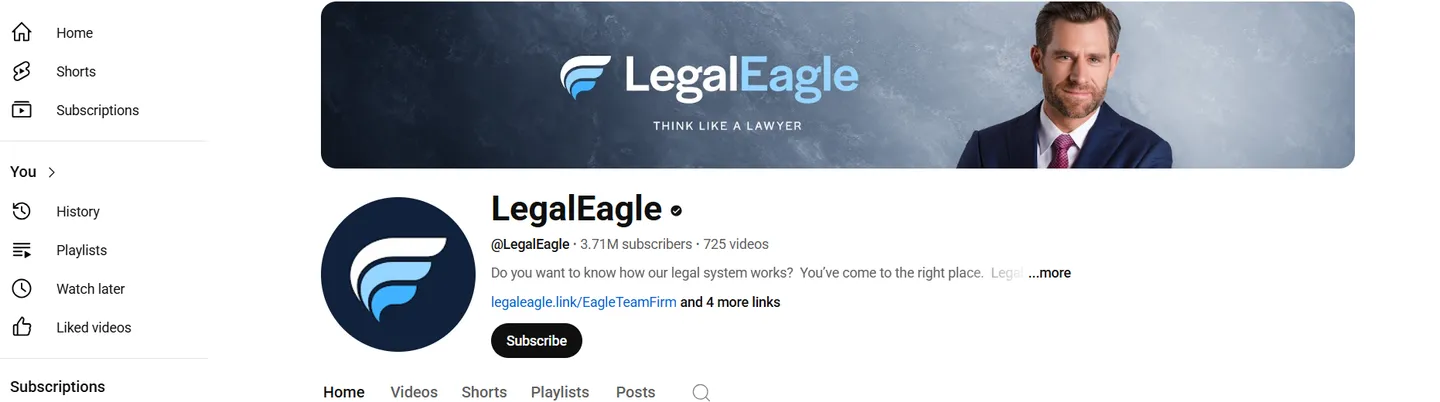
An American lawyer known for his YouTube channel, LegalEagle, where he reviews films and television shows to discuss the accuracy of their depictions of the law and courtroom procedures, and to discuss the legal issues raised by those works. He also talks about current legal cases and explains how U.S. law works with respect to them.
ii) Emily D. Baker
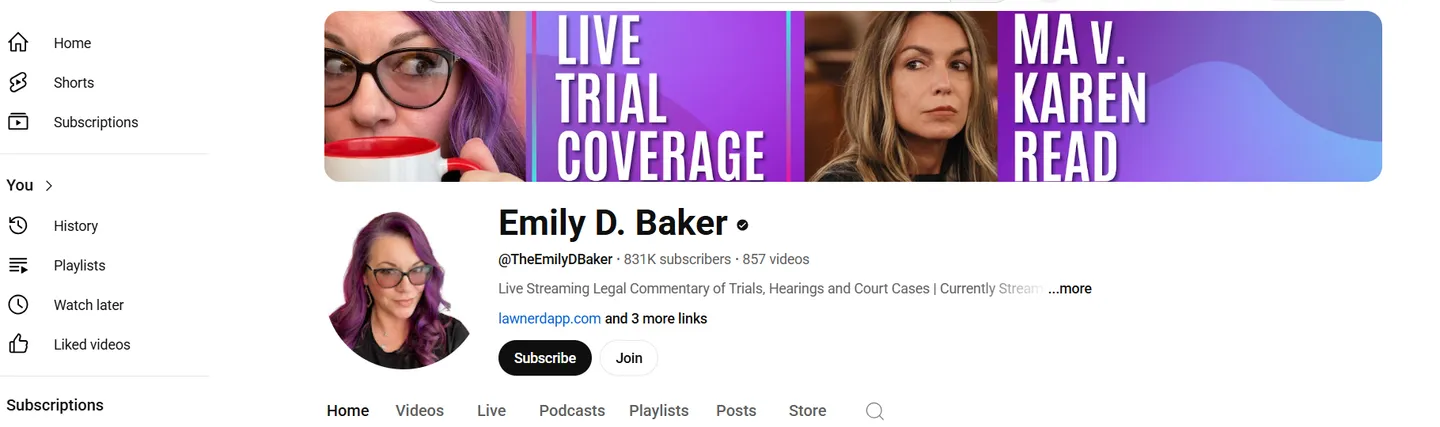
An American legal commentator, podcast host, and former deputy district attorney. She is best known for her YouTube channel and podcast, “The Emily Show,” where she provides legal analysis and commentary on high-profile cases and pop culture events.
iii) Ali Awad
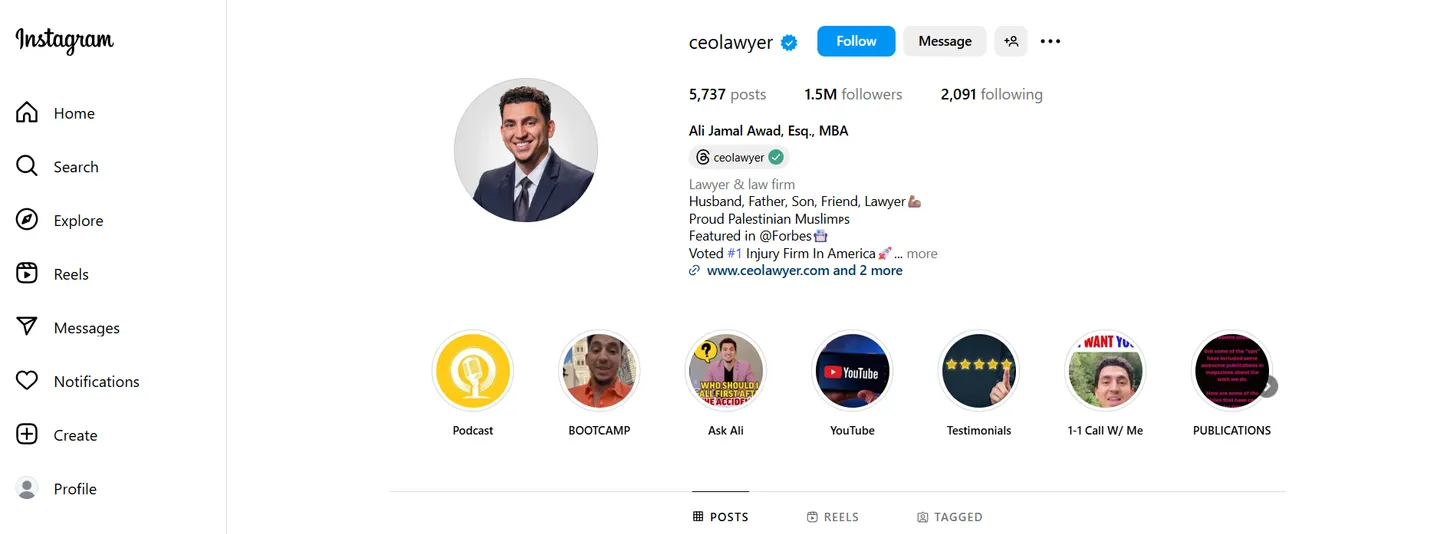
A tri-lingual personal injury lawyer based in the USA, recognized for his rapid firm growth and significant settlements. He emphasizes client advocacy and legal education through engaging social media content.
iv) Erika Kullberg
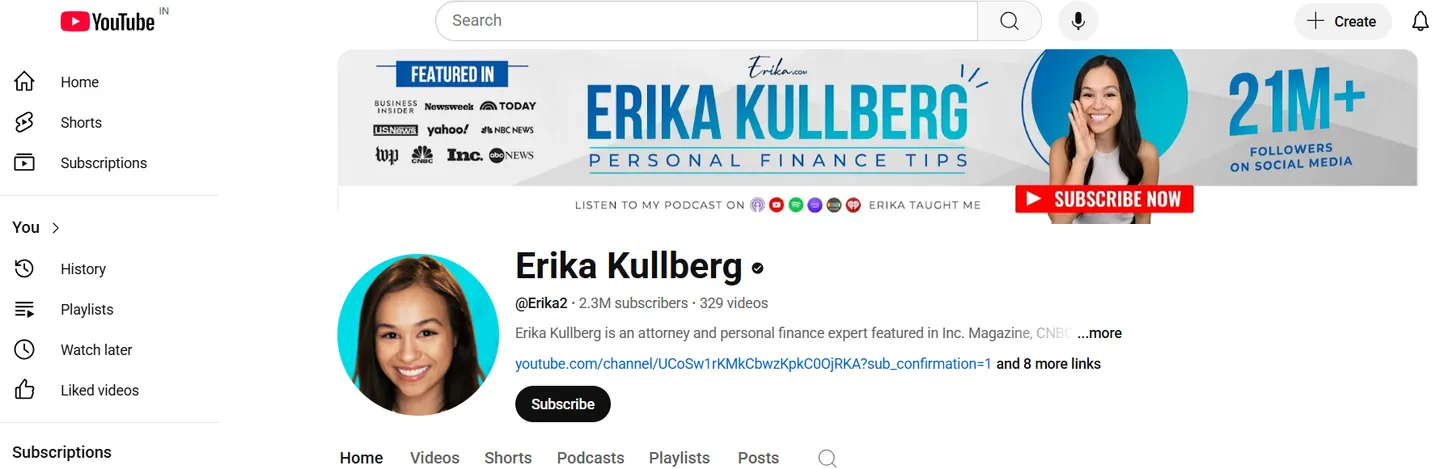
A lawyer and personal finance expert who shares legal tips and financial advice, making complex legal topics accessible to a broad audience through her YouTube channel.
5. Utilize Paid Advertising Strategically
Organic reach is great, but at some point, you’ll want to put some real weight behind your visibility. That’s where paid ads come in.
Social platforms allow you to target people based on location, age, interests, recent behavior, etc. For personal injury lawyers, this means you can focus on the exact demographics most likely to need your services, like adults in your area searching for accident-related topics or following local news outlets.
Start with platforms that already have your audience’s attention. Meta Ads (Facebook and Instagram) are great for reaching everyday users who may be scrolling after an incident or looking for advice. LinkedIn Ads work well for targeting professionals or building a reputation within legal and medical networks. And don’t overlook Google Ads, especially YouTube pre-roll ads, which allow you to explain your value in 30-60 seconds right before someone watches content related to accidents, insurance, or legal help.
But just throwing money at an ad isn’t the move. You need to monitor how those ads perform. Look at click-through rates, engagement, and conversion. Test different messages and visuals. See what brings people to your site or leads to consultations, then refine it.
When it comes to social media marketing for personal injury lawyers, paid advertising is about going precise, measuring results, and adjusting quickly.
6. Host Live Q&A Sessions
You don’t need a studio or a production team, just hit “go live” and start talking to the people who need your help.
Platforms like Facebook Live and Instagram Live give you a direct, unfiltered way to connect with potential clients. Whether you’re answering questions about injury claims, explaining timelines, or clearing up confusion about contingency fees, going live puts a real face behind your name, and that builds trust.
It’s one of the simplest ways to stand out in a crowded feed and engage with your audience in real time. They get to see how you think, explain, and handle questions on the spot.
For firms focusing on social media marketing for personal injury lawyers, live Q&As offer something most posts can’t: a real connection. Use that to your advantage.
7. Optimize Profiles and Content for Search
Most people don’t go straight to your website. They check out your social pages first. If your bio is vague, outdated, or hard to understand, you lose opportunities before they begin.
Your profiles should be built to show who you help, what you do, and how to contact you. You should also use terms that people search for, like “personal injury lawyer in [your city]” or “car accident attorney.”
But here’s the catch: each platform has its format and tone. You want to stay consistent with your brand, but you also want to adapt to the platform. Here’s how:
YouTube Bio (Channel “About” Section)
Example
I help injured clients in Atlanta get the justice they deserve. I explain personal injury law in plain English, covering everything from car accidents to slip-and-fall claims.
📍 Atlanta, GA | 📞 Free Case Review: (555) 123-4567
💼 Licensed Personal Injury Attorney | Weekly legal videos every Friday
Tip: YouTube lets you be a little more descriptive. Use keywords and location to help your videos appear in search, and include a schedule if you’re posting regularly.
Instagram Bio
Example
📍 Atlanta Injury Lawyer
💼 Auto, Truck, and Slip & Fall Claims
🎥 Legal tips in 30 seconds
📲 Book a free consult below 👇
[linktree/yourfirm]
Tip: Instagram bios are short. Keep it punchy. Use emojis for structure, but stay professional. Ensure your link leads to a page where people can contact you quickly.
Facebook Page Bio/About
Example (Intro Section)We help injured clients across Georgia recover fair compensation after accidents. We use no legal jargon, just clear advice and strong representation. Contact us for a free consultation.
Tip: Use complete sentences. Keep it approachable. Facebook bios should sound conversational but still highlight your location, practice areas, and how you help.
LinkedIn Headline + About Section
Example Headline
Personal Injury Attorney | Helping accident victims in Atlanta navigate claims with clarity and care
Example Summary (About)
I represent individuals and families in Atlanta who’ve been injured due to someone else’s negligence, car accidents, premises liability, and more. My goal is simple: make the legal process easier, clearer, and more effective for every client. I share weekly insights on personal injury law and invite connections from attorneys, clients, and professionals in the healthcare and legal space.
Tip: LinkedIn is more formal. Use it to showcase both your legal authority and your client-centered approach.
Regarding social media marketing for personal injury lawyers, firm profiles are part of how people find and judge your credibility.
8. Engage with Your Audience
Just posting content does half the job. You know what humanizes your brand? Interacting with people, consistently, directly, and like a real human.
Start with your Instagram DMs. People reach out with questions all the time, and respond to them. Use Instagram broadcast channels to keep your followers in the loop with quick updates or legal tips. Got common questions popping up in your Facebook comments or Instagram posts? You don’t need to answer each one manually. Use Meta’s dashboard to manage both platforms in one place and reply fast, without missing anyone.
Turn your most-asked questions into Instagram story responses or short-form videos. Break down those answers into YouTube shorts.
That’s where social media marketing for personal injury lawyers starts multiplying the positive results. Because when people see you engaging, not just posting, they feel heard, not sold to. And that’s how trust begins.
Real connection is the underrated backbone of social media marketing for personal injury lawyers; it separates generic content from the kind that actually gets results.
9. Utilize Hashtags Strategically
Hashtags help your content appear in the right places, in front of the right people. But only if you use them with intention.
Start with a mix of broad and specific ones. Instead of dumping #lawyer #legal #accident on every post, combine general tags with niche, geo-targeted ones. Think:
#CarAccidentLawyer
#InjuryLawyerAtlanta
#SlipAndFallHelp
If you want to go further, add your main search term, like [social media marketing for personal injury lawyers], into the caption itself, in square brackets or a clean sentence.
For example: “Here’s a quick breakdown of what to do after a rear-end collision [social media marketing for personal injury lawyers].”
This small move can help search engines and even social platforms like Instagram better understand your post’s topic, improving its discoverability.
You can also pin a comment with a hashtag list to avoid cluttering your caption while still boosting visibility. Track which tags bring the most engagement and rotate them based on the topic.
When paired with thoughtful captions and relevant search terms like [social media marketing for personal injury lawyers], your content gets seen by the right people.
10. Host Webinars on Relevant Topics
Webinars are the most underrated resources in social media marketing for personal injury lawyers.
Hosting live sessions on topics like “What to Do Immediately After a Car Accident” or “How Medical Bills Are Handled in Injury Claims” can set you apart as someone who knows the law and can explain it clearly.
These sessions allow you to speak directly to people dealing with real concerns, without edits, filters, or helpful answers, in real time. This positions your firm as knowledgeable and approachable.
Promote your webinars across Instagram, LinkedIn, Facebook, and your email list. Later, repackage the content into short clips for YouTube or Reels to keep the value going long after the session ends.
11. Create Platform-Specific Content
One-size-fits-all content doesn’t cut it anymore. Every social media platform has its vibe, audience, and way of communicating; your content should match it.
Here’s how to customize your posts without losing your voice:
- Instagram: Focus on visuals. Use carousels, infographics, and reels to simplify complex legal info like “3 Things to Do After a Slip & Fall” or “What ‘No Win, No Fee’ Really Means.” Keep it punchy, scroll-stopping, and visual.
- LinkedIn: Go deeper. This is where you publish thoughtful breakdowns of legal updates, case precedents, or industry news. Talk like you’re explaining to a peer, not a client but humanize it.
- Facebook: Showcase your people’s side. Share testimonials, office updates, event photos, and community involvement. This is where genuine relationships are built, especially with local followers.
This isn’t about being everywhere but being smart where you are. When your posts are customized to the tone and expectations of each platform, they stand out.
In the context of social media marketing for personal injury lawyers, content that fits the platform drives meaningful engagement.
12. Analyze Performance Metrics
Posting regularly is good. But knowing what works is what turns content into real business growth.
If you’re not tracking results, you’re guessing, which isn’t a strategy. Every social platform gives you built-in tools to track performance:
- Meta Business Suite (for Facebook and Instagram) shows reach, engagement, clicks, and follower growth, all in one dashboard.
- LinkedIn Analytics helps you understand which posts drive the most engagement and who’s viewing your content (by job title, industry, location).
- YouTube Studio breaks down video watch time, audience retention, and traffic sources.
- Google Analytics (linked to your website) tells you which social posts send traffic to your contact page or booking form.
Use this data to spot patterns. Are people engaging more with videos or infographics? Which platform is sending you the most traffic? What kind of posts lead to consultation requests?
That’s how you refine your strategy.
You Know the Law, We Know the Algorithm.
Personal injury law isn’t a 9-to-5 job. It involves late-night calls, back-and-forth with insurance adjusters, prepping for court, juggling deadlines, and trying to get real results for people in real pain. The work is intense, detailed, and never really “done.”
Now add to that: planning content, replying to Instagram DMs, tracking ad performance, keeping up with trending formats, and adjusting to another update from Meta? It’s not just a lot, it’s unrealistic.
Social media moves fast. The platforms change almost weekly. What worked three months ago might not work tomorrow. Your time should go towards what you trained for: helping your clients get justice, not decoding engagement metrics.
That’s where social media marketing experts come in. People who live and breathe this stuff daily. People who know how to keep your online presence sharp, consistent, and working in your favor, while you stay focused on your cases.
INSIDEA
Ready to put this into practice?
INSIDEA is an Elite HubSpot Partner rated 4.99 across 450+ verified reviews. Let's map it to your goals.

 How INSIDEA works







