GEO

Understanding AI and Voice Search Strategies
Pratik Thakker

Understanding AI and Voice Search Strategies for Smarter SEO

Picture this: Your ideal customer is juggling a dozen things—Slack pings, meetings, family texts—when a need pops up. They don’t open a browser. They ask aloud, “Hey Google, who’s the best tax advisor near me?” If your business isn’t part of the answer in that moment, you’re not just losing visibility—you’re losing trust, leads, and revenue. Here’s the truth. If you’re leading a business, running marketing, or driving customer growth, you can’t afford to hinge your search presence on traditional SEO tactics anymore. Keyword stuffing and rankings alone won’t get the job done. You need a strategy built for how people actually search now. That strategy includes understanding the marriage between AI and voice, and it’s shaped by pillars like GEO (Generative Engine Optimization), AEO (Answer Engine Optimization), GSO (Google Search Optimization), and AISEO (AI-Driven SEO). Let’s walk through what each one means and how to make them work for you—in plain language, with clear takeaways. The Evolution: From Keywords to Conversations You already see it—SEO isn’t just about search volume and backlinks anymore. Those metrics still matter, but AI and voice search are reshaping how people interact with information, and how platforms choose what to surface. Here’s why this shift

Rank and Stay Visible as Google's AI Search Mode Evolves
Pratik Thakker

Rank and Stay Visible as Google’s AI Search Mode Evolves

After six months of consistent SEO work—content calendars, backlinks, rich snippets—the traffic tanked. A local HVAC company couldn’t understand it. No penalties, no major Google update, yet organic traffic dropped by 40%. The culprit? Their site hadn’t been appearing in AI-generated answers powered by Google. Their content was still good. It just wasn’t visible where users were looking—in Google’s new AI-generated snapshots. If your SEO traffic is slipping and you’re wondering how to stay relevant in a search experience increasingly driven by AI, you’re not imagining things. Google AI Mode is changing how discovery works. It’s no longer simply earning a spot on page one. It’s about making sure Google’s AI sees your content as answer-worthy. Here’s how to stake your claim in Google’s evolving search experience—acronyms included. What Is Google AI Mode? Google’s AI Mode refers to its Search Generative Experience (SGE), which generates conversational responses at the top of some search results pages. These AI snapshots synthesize information from across the web, summarizing answers in a way that feels more like chatting with an assistant than scanning a list of ten blue links. This feature isn’t experimental—it’s live for millions and likely to become the standard experience within a

11 Important Statistics on Generative Engine Optimization
Pratik Thakker

11 Important Statistics on Generative Engine Optimization

You’ve built a website that ranks well on Google. You’ve invested in traditional SEO. And still, when someone asks ChatGPT for the “best service in town,” your competitors—who never outranked you—are suddenly showing up. You’re nowhere in sight. That’s not a glitch. That’s Generative Engine Optimization (GEO) in action. As AI-powered tools like ChatGPT, Gemini (formerly known as Bard), and Claude reshape how people find information, your old SEO playbook begins to fall short. You’re no longer just optimizing for search engines—you’re optimizing for how machines understand and present your brand. And if you’re a marketing leader relying solely on Google rankings, it’s time to update your strategy. At INSIDEA, we help brands align with the future of discovery. Below, you’ll find 11 key GEO statistics every business leader needs to know—along with actionable advice to translate data into results. Let’s get your brand where AI finds it first. What Is Generative Engine Optimization (GEO), and Why Should You Care? GEO stands for Generative Engine Optimization—an emerging layer of digital strategy designed to make your content more discoverable to AI systems, such as ChatGPT and Gemini. Unlike traditional SEO, which targets how you appear in web search listings, GEO is all

7 Misconceptions about Generative Engine Optimization
Pratik Thakker

7 Misconceptions about Generative Engine Optimization

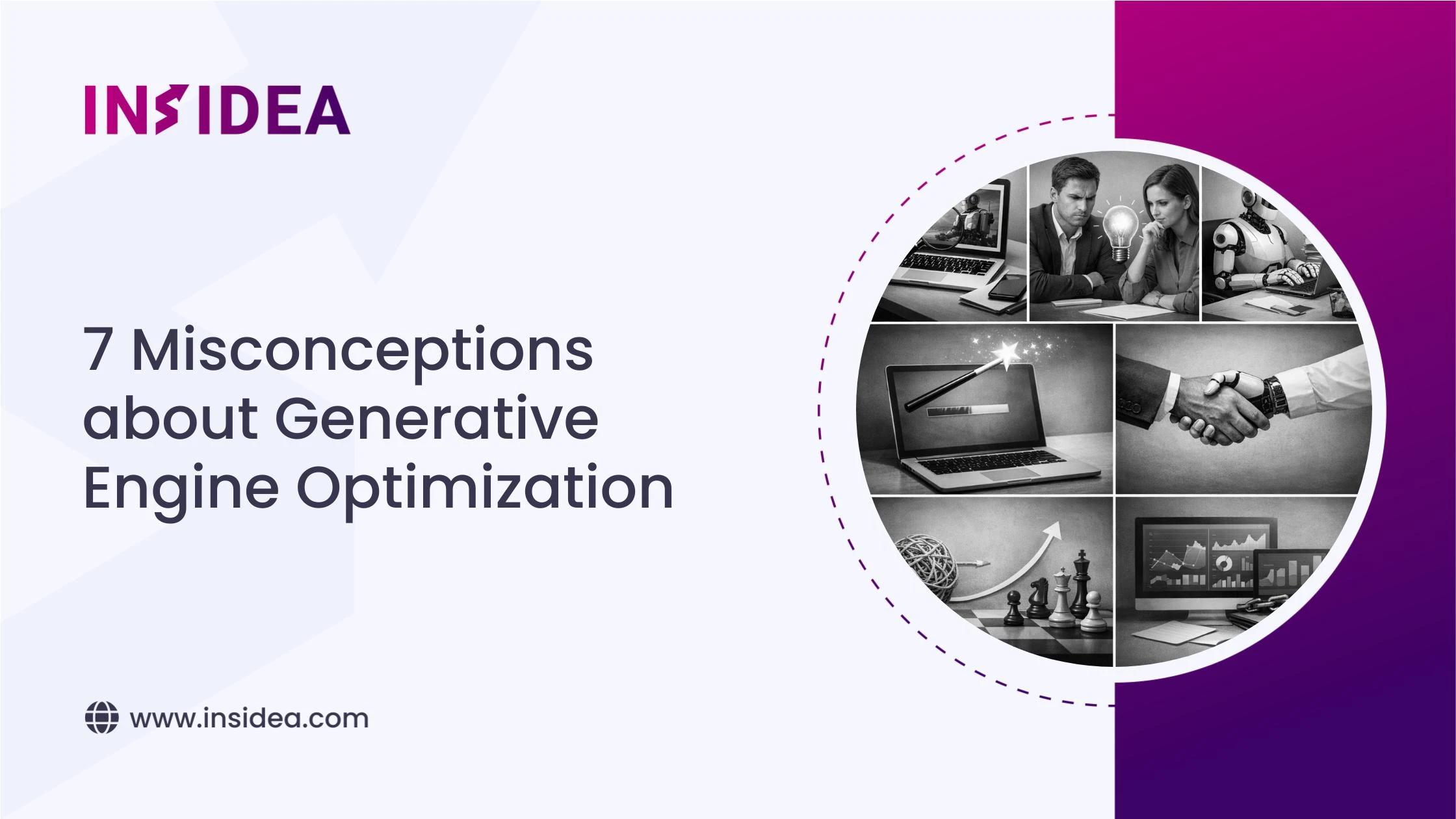
Imagine if your top-performing salesperson could work 24/7, speak directly to your best-fit customers in the exact tone they trust, and consistently deliver accurate, relevant answers about your brand. That’s essentially what Generative Engine Optimization (GEO) can offer — when done right. But here’s where many business owners and marketers miss the mark: they try to apply yesterday’s SEO logic to an entirely new system powered by AI-driven engines like ChatGPT, Bing AI, and Google’s Search Generative Experience. This disconnect doesn’t just result in missed opportunities — it actively limits your visibility where modern users are searching for answers. At INSIDEA, we’ve worked with brands that assumed they were keeping up with AI trends, only to find they were optimized for Google circa 2013 — not the conversational engines of today. If you’re investing in digital visibility, GEO needs to be on your radar. And more importantly, you need to understand what it is — and isn’t. Here are seven critical GEO misconceptions that could quietly be costing you traffic, authority, and conversions. Misconception #1: GEO Is Just Traditional SEO with AI Content Think of it like this: you wouldn’t enter a Formula 1 race behind the wheel of a pickup

How to Rank on Google AI Overviews A Strategic Guide
Pratik Thakker

How to Rank on Google AI Overviews:A Strategic Guide

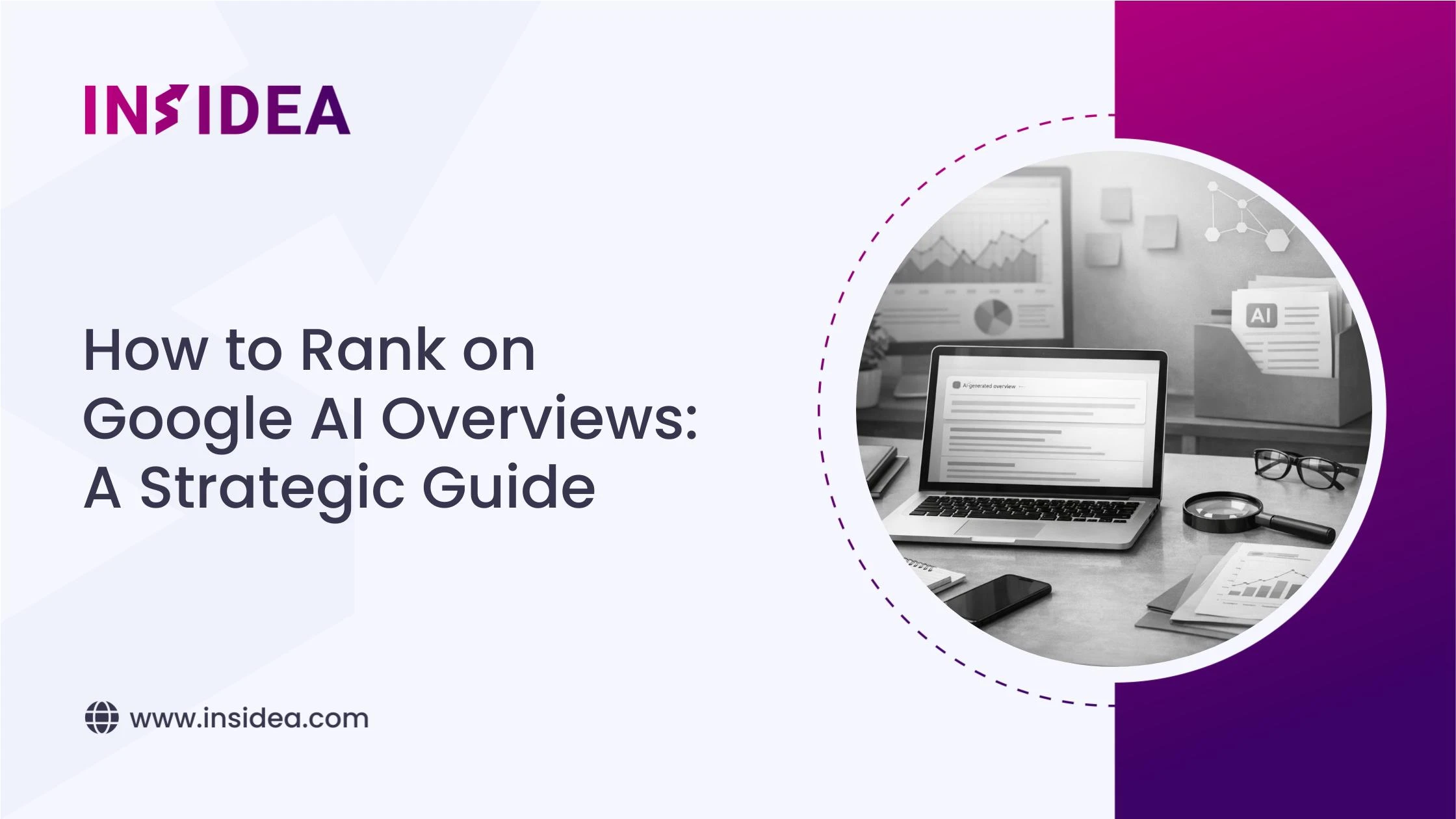
You open your browser and type in a pressing business question—say, “Best CRM tools for B2B SaaS.” Before you even scroll, the answer is already there: a polished summary at the top of the page, curated by Google’s AI. It’s fast, structured, and surprisingly spot-on. That’s the Google AI Overview. In the SEO world, it’s also known as AEO—short for Answer Engine Optimization. If your content isn’t showing up in that prime position, you’re essentially missing out on Google’s fastest-growing gateway to user attention. And here’s what it costs you: clicks, visibility, and credibility. Google’s AI Overviews are pulling from the best content across the web and summarizing it before users see the search results. If your content isn’t being cited or referenced, it may as well not exist. So how do you show up in that coveted space? Is this just traditional SEO with a new spin? Not quite. Ranking in AI Overviews requires a strategic shift. You’ll need to think beyond rankings and optimize for how AI reads, interprets, and trusts information. Here’s your playbook. Whether you run SEO, own a content strategy, or lead digital growth, this guide will show you how to get your content in front

How to Rank on Perplexity_
Pratik Thakker

How to Rank on Perplexity: The Guide Smart Brands Are Following

You’ve built the right product, invested in content, tightened your user journey, and launched with massive intent. But when your ideal buyer types a question directly into Perplexity—something you’ve tried to address—you’re invisible. No mention. No citation. No link. If you’re seeing competitors win the conversation while you disappear from AI search results, you’re not alone. Platforms like Perplexity and ChatGPT are quickly changing how people discover solutions. Traditional SEO alone won’t get you seen, and every moment you wait is a lost opportunity. So how do you reverse that trend and start appearing in Perplexity results? At INSIDEA, we’ve worked with marketers, technology leaders, and growth-focused founders to reshape their SEO playbook for AI-native search. This guide provides the exact frameworks we’re using—from GEO (Generative Engine Optimization) to AEO (Answer Engine Optimization), and from GSO (Generative Search Optimization) to AISEO strategies that directly address machine logic. What Is Perplexity, and Why Should You Care? Perplexity is more than just another search engine—it’s an intelligent assistant sourcing direct answers from the web and presenting them in plain English. Unlike Google, which provides users with ten choices, Perplexity typically selects one or two sources it deems most credible. It’s merging real-time data

11 Best AI Optimization Tips for Making Products More Visible
Pratik Thakker

11 Best AI Optimization Tips for Making Products More Visible

You’ve poured hours, maybe months, into perfecting your product. Everything’s polished—the design, the copy, even the unboxing experience. Early customers are raving. Internally, your team agrees: this is the one. So you launch. And nothing happens. You’ve checked all the usual boxes: targeted ads, email drips, maybe a few LinkedIn shoutouts. Still, the needle barely moves. Why? Because algorithms, not just audiences, now decide what gets seen. If you’re not speaking their language, even your best products will stay invisible. Today, increasing product visibility means optimizing beyond traditional SEO. You need to account for how AI-driven platforms—such as Google’s Search Generative Experience (SGE), ChatGPT, and Bing AI—process content. That’s where you start hearing about frameworks like GEO (Generative Engine Optimization), AEO (Answer Engine Optimization), GSO (Generative Search Optimization), and AISEO (AI Search Engine Optimization). These aren’t gimmicks—they’re growing pillars of modern discoverability. Suppose you’re leading a product-driven brand and want more than vanity metrics. In that case, these 11 proven AI optimization strategies will help you position your product exactly where high-intent decision-making happens: at the top of AI-informed search paths. Let’s dig in. 1. Use Conversational Keywords, Not Just Traditional Ones Search habits have changed, and AI search tools are

A Quick Guide To Rank on ChatGPT
Pratik Thakker

A Quick Guide To Rank on ChatGPT

You probably spent years perfecting your SEO strategy. You landed top spots on Google, kept your site lightning-fast, and published thoughtful content that pulled in the right readers. But these days, when a potential buyer types a query into ChatGPT, they’re met with answers—and no links to your site. If your brand doesn’t show up in AI-generated responses, you’re not just missing clicks. You’re vanishing from decision-making moments entirely. Here’s the shift: buyers now rely on AI-powered tools—such as ChatGPT, Bing Copilot, Google SGE, and Perplexity—not just for research, but also for recommendations. And showing up in those answers requires a different playbook. That’s where GSO comes in: Generative Search Optimization. In this guide, you’ll learn what it means to rank inside AI platforms, the four frameworks that drive success—GSO, GEO, AEO, AISEO—and how to position your brand directly in the path of AI-guided buyers. If being visible where decisions start and finish matters to you, this is how you take control. What Does “Ranking on ChatGPT” Even Mean? First, let’s be clear: ChatGPT isn’t a search engine. When someone types “best budgeting app for freelancers” into ChatGPT, it doesn’t crawl live websites. Instead, it pulls from its existing data and

LLM vs Generative AI What Every Growth Leader Must Know
Pratik Thakker

LLM vs Generative AI: What Every Growth Leader Must Know

Picture this: You’re leading a fast-growing SaaS company, and you’ve just approved a major content overhaul. Your SEO agency starts pitching impressive results—using tools powered by “generative AI” and “LLMs.” You nod, but secretly wonder: Are these buzzwords or actual levers for growth? Many leaders feel this gap—where AI terminology sounds groundbreaking but isn’t clearly tied to business outcomes. Misunderstanding the difference between an LLM and generative AI may sound harmless, but it can steer your strategy off-course. The wrong tools can waste budget, deliver bland content, and tank your organic visibility. This guide connects the dots. You’ll walk away knowing exactly what separates LLMs from the broader generative AI category, why the distinction matters, and how to use both to drive sharper SEO, smarter content, and scalable customer experience.What’s the Difference Between Generative AI and an LLM? Think about a car for a second.Generative AI is the whole vehicle—everything from the body and wheels to the dashboard. The LLM is just the engine: the specialized component driving language-based capabilities. Generative AI encompasses technologies that create original content from data inputs—across formats: articles, illustrations, code, videos, audio. It’s a category of systems that make things. Large Language Models (LLMs) are one

best-ai-search-visibility-tracking-tools
Pratik Thakker

9 Best AI Search Visibility Tracking Tools in 2026

You’ve done the hard work—built a solid content foundation, invested in your SEO strategy, and even launched paid campaigns. But when you check your analytics? Visibility is flat. Your traffic doesn’t match your effort, and you’re not appearing where it matters most. The problem isn’t your keywords or backlinks. The rules of discoverability have changed. Today’s buyers find brands through generative summaries, AI chat tools, voice assistants, and local search cards—not just ten blue links. If you’re not showing up in Google’s AI snapshots, Siri’s answers, or ChatGPT’s recommendations, you’re effectively invisible in the moments that drive decisions. This is the new reality of AI-powered search visibility. To measure how well you’re performing, you need platforms built for this next chapter—tools that go beyond keyword rankings to show how your brand surfaces across AI, voice, and entity-based engines. Here are nine of the best AI visibility tracking platforms that help marketers like you stay competitive in 2026. Why AI Search Visibility Is the New Battleground If you’re still relying on traditional rank trackers, you’re making decisions with outdated maps. Modern buyers use tools that don’t “search” in the old sense. Instead, they ask questions—through voice, chat, or discovery feeds—and get responses

LLMs.txt vs Robots.txt SEO Difference Explained
Pratik Thakker

LLMs.txt vs Robots.txt: SEO Difference Explained

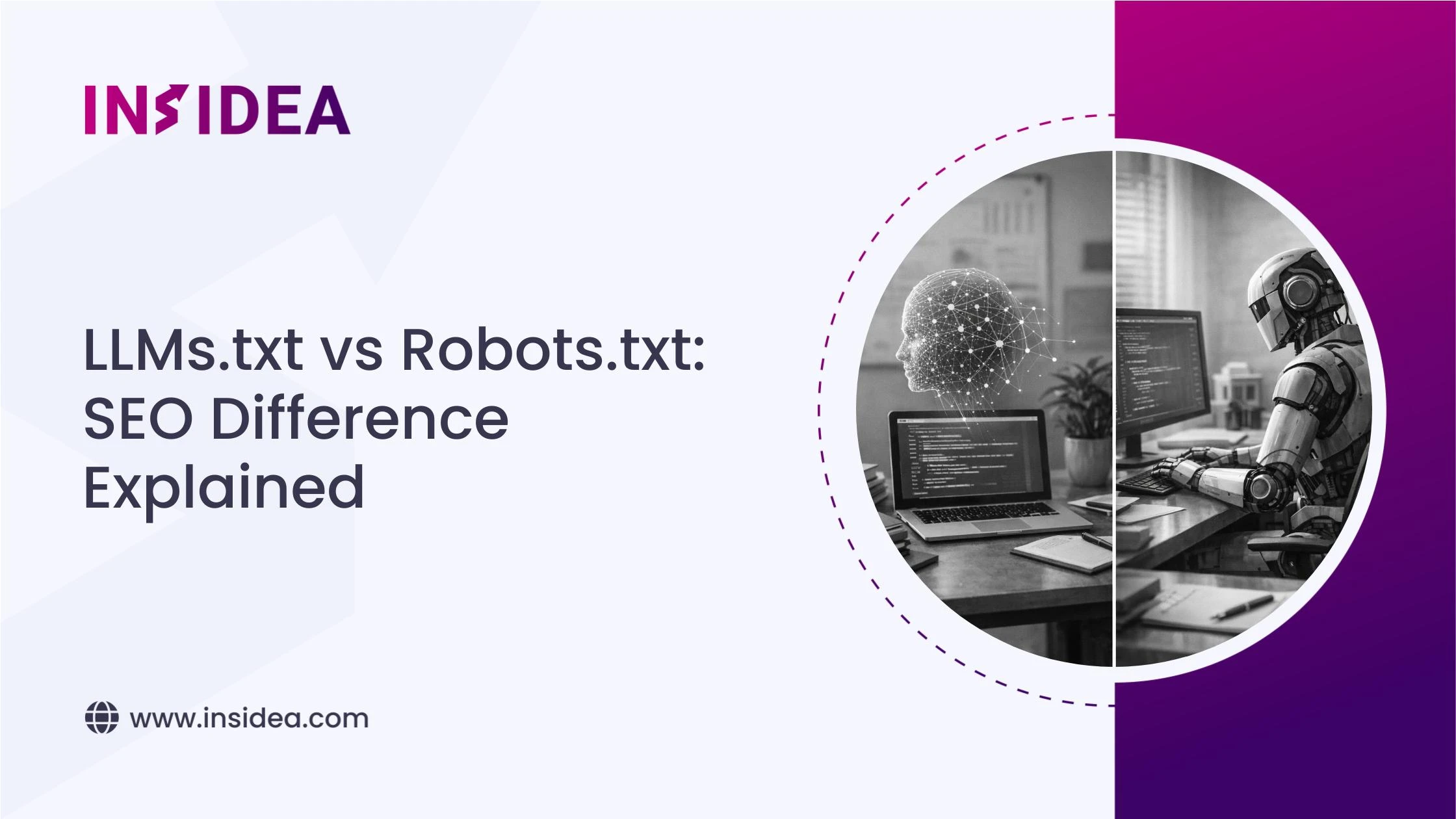
You’ve invested months building high-performing content—detailed guides, conversion-optimized landing pages, even an FAQ hub that mirrors what your customers are typing into Google. But here’s the twist: not every visitor is human—and not every bot respects your intentions. While Googlebot might be crawling your site to rank your content, a growing wave of AI crawlers is quietly harvesting that same information to train large language models like GPT and Gemini. If you’re not paying attention, your hard-won insights could be powering AI-generated answers, entirely detached from your brand. Enter two deceptively simple files: robots.txt and the newer llms.txt. Yes, they’re technical—but they’re also essential tools for protecting your content and shaping how it shows up in both traditional search and cutting-edge AI engines. Ignore the differences, and you risk getting cut out of the next wave of content discovery. Let’s break down what each file does—and why mastering both could give you the edge. The Classic Gatekeeper: What Robots.txt Actually Does Think of your robots.txt file as the front-of-house policy for your website. Positioned at the root of your domain, it politely informs web crawlers which areas they’re welcome to index—and which doors are off-limits. Born in 1994, robots.txt was built

llms.txt for GEO and AEO What Every Business Needs To Know
Pratik Thakker

llms.txt for GEO and AEO: What Every Business Needs To Know

You’re running solid regional campaigns across five cities. Local keywords? Check. Google Business Profiles? Optimized. Hyper-targeted offers? Deployed. But when it comes to visibility — whether it’s the local pack or AI-generated answers — you’re still not showing up. You’ve invested in traditional SEO. But that’s not the whole picture anymore. Here’s what’s changed: search engines no longer rely solely on keywords or backlinks. With generative AI becoming central to tools like Google’s SGE and Bing Chat, search now involves understanding — not just indexing. AI doesn’t look at your content the way a human or a traditional crawler might. It reasons across sources, extracts structured meaning, and generates its own answer. This shift is opening up a new search paradigm: one led by GEO SEO, AEO, and a file you’ve probably never heard of — llms.txt. If you’re optimizing for local discovery in any serious way, and you want AI systems to surface your business appropriately, llms.txt may be the missing piece. Below, we’ll break down what it is, why it matters, and how to put it to work. What Is GEO in the Context of SEO? Let’s dial in on what “GEO” really means when we talk about SEO

The Award-Winning Team Is Ready.

Are You?

“At INSIDEA, it’s all about putting people first. Our top priority? You. Whether you’re part of our incredible team, a valued customer, or a trusted partner, your satisfaction always comes before anything else. We’re not just focused on meeting expectations; we’re here to exceed them and that’s what we take pride in!”

Pratik Thakker

Founder & CEO

Company-of-the-year

Featured In

Want to See Your Digital Ideas
Come to Life?

Book a demo and discovery call to get a look at:


By clicking next, you agree to receive communications from INSIDEA in accordance with our Privacy Policy.